India is now in a political situation it hasn’t seen in half a century. Because the CPI(M)-led Left has lost control in Kerala, for the first time since 1977, there won’t be a Communist chief minister anywhere in the country. Around midday during the vote counting, the UDF was ahead in almost 100 of the 140 voting areas, while the LDF had around 37.
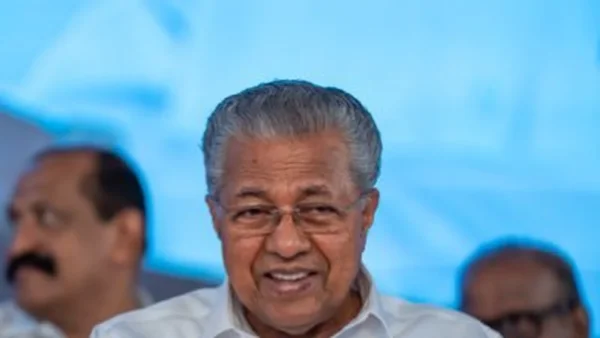
This defeat is the final end to the Left’s power in any state, and it makes people even more doubtful about how much they matter anymore. Kerala was the Left’s strongest area of support after they lost control in West Bengal and Tripura. Pinarayi Vijayan’s government (which has been in charge since 2016 and won again in 2021) has now been voted out of office.
Kerala result and why it matters
The immediate effects are both about how things look and how things work. Kerala was where the world’s first Communist government chosen by the people came to power in 1957. Now, voters in that state have made a decision that removes the Left from the chief minister’s position in all of India.
The numbers clearly show how big this is. With the Congress-led UDF strongly in the lead, and the LDF getting around 37 seats, it’s obvious that people’s feelings have changed. This is a huge turnaround for a group that went against Kerala’s history of governments switching back and forth in t2021.
A national footprint that shrank
The Left's decrease in power across the country has been happening steadily since its strongest point during the years of the United Progressive Alliance. In 2004, four Left parties won a total of 59 seats in the Lok Sabha (India’s parliament), and the CPI(M) got 43 on its own. These parties were important in the discussions in the first UPA government, covering things from the economy to the agreement with the US about nuclear power.
That influence disappeared after they pulled their support from the UPA government in 2008. In 2009 the Left won 24 seats, in 2014 they won 10, and in 2019 just 5. The CPI(M) and CPI now have six members of parliament (MPs) in the Lok Sabha, and the CPI(ML) Liberation has two from Bihar.
Where those seats came from also shows how much the Left depends on other parties. Of the six CPI(M)-CPI MPs, four won because of help from the DMK in Tamil Nadu, and one with support from Congress in Rajasthan. From West Bengal, Kerala, and Tripura combined, the Left now has only one MP.
From state dominance to retreat
Looking back further, it’s clear how firmly the Left used to be in power in many states before it all fell apart. The movement grew steadily, but its decline has been very fast.
Here are the key state-level turning points to understand the shift:
– Kerala re-elected the LDF in 2021, but it has now fallen
– West Bengal’s 34-year rule ended in 2011 under the TMC
– Tripura saw the BJP oust the Left in 2018, and repeat 2023
West Bengal was the main source of pride for the CPI(M)-led Left Front, which was in charge from t977 to 2011. People like Jyoti Basu were very important during that time, even though the state’s politics changed greatly in 2011 with Mamata Banerjee and the Trinamool Congress.
Tripura, which they controlled from 1993 to 2018, was lost quickly when the BJP started to win there, and winning again in 2023 confirmed that change. Kerala, however, remained a place where they could still compete, and the LDF won in 16 and broke with tradition in 2021, before being defeated today.
When the Left set the agenda
In the past, the Left’s influence went beyond just the states they governed. In India’s first general election in 1951-52, the CPI became the biggest opposition party in the Lok Sabha. In 1996, Jyoti Basu could have become Prime Minister as part of a United Front, but the CPI(M) Politburo (leading group) stopped it. Later, Basu called that a ‘huge mistake’.
During the UPA-I years, the Left bloc showed it could have more influence than its number of seats suggested. With 59 seats in 2004 (and the CPI(M) having 43), they could control the national discussion and limit what policy ideas were accepted. This ended in 2008 with the disagreement over the agreement with the US about nuclear power, and after that, their number of seats dropped a lot.
What changes now
Now that there isn’t a single state government led by the Left, they’ve lost an official way to get their voice heard in Delhi. Leaders from the CPI(M), CPI, RSP and Forward Bloc used to affect how coalitions were formed and how policies were understood, even though they didn’t get a huge percentage of the votes.
This has an immediate effect on how motivated members of the Left are, and how they will plan their future. Without a chief minister, the Left loses a chance to show how well they can run a government, a way to get new people to join, and a way to have more influence in discussions at the national level. The main group of people in the Left now have to work without the support of being in charge of a state.
Political power is rarely left unused. Whether the Left can recover will depend on getting the groups of people who support them to be enthusiastic again in states, including Kerala. How the movement responds to how voters have changed their preferences over the past twenty years will decide if this is a temporary low point or a final collapse.
For now, the direction is very clear. A group that once ran three states and had a major effect on what happened in New Delhi is now in its weakest state in India’s history as an independent country. The outcome in Kerala doesn’t just end one section of history; it completely changes the balance of power the Left has depended on for generations.