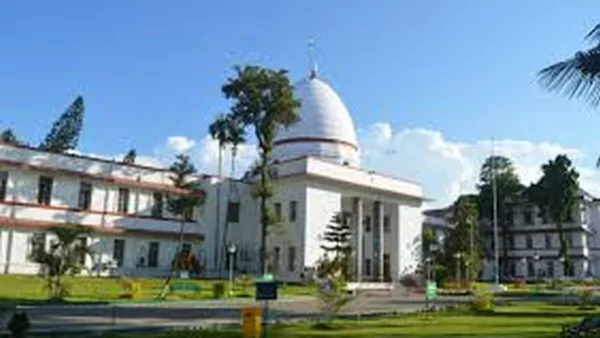
On Thursday, the Gauhati High Court officially told Chief Minister Himanta Biswa Sarma about the several public interest lawsuits that say he gave ‘hate speech’ to a minority group. The court panel ordered that notices also go to the Assam government, the national government, and the head of the state police. The next time the court will meet about this will be April 21st.
What the court ordered and what happens next
A court panel made up of Chief Justice Ashutosh Kumar and Justice Arun Dev Choudhury listened to three requests and told those who must answer to do so before the next meeting. The court did not stop the Chief Minister from speaking on Thursday; it said it would look at what is given and said after the answers are in.
The panel especially asked those who must answer to file their answers by the next meeting, and said that it would be too soon to give orders that limit things without answers and a chance to be heard. The court also decided, for the time being, not to send a notice about a social media video that people disagree about, because it wasn’t needed at this point.
What the lawsuits against the Chief Minister say
The requests say that Mr. Sarma often said things that could ‘split society’ and was ‘clearly giving hate speech‘ to Bengali Muslims – who are often called the ‘Miya’ community in Assam. Those who made the requests say the Chief Minister has called this group ‘people who came to the country illegally’ and used language that makes social and economic problems for them worse.
Among the things shown are speeches given to the public, a video that has now been taken down which shows people in skullcaps being symbolically hurt, and claims that the Chief Minister called for complaints to be filed against people in the community to bother them. Those who made the requests say these things encourage people to not deal with, unfairly treat, and act against the law instead of keeping public order.
Who made the requests and what they want the court to do
The people who made the requests are political parties and people in civil society, who made separate and joint requests. They are from the Communist Party of India and the Communist Party of India (Marxist), to people who made requests on their own, such as a well-known scholar from Assam, a former head of the police, and a well-known journalist.
The requests to the court include stopping the hate speech, an investigation by a Special Investigation Team (SIT) led by a retired high court judge, and the proper legal steps taken against the Chief Minister. Those who made the requests pointed out that, even though speeches were given publicly and recorded, no First Information Reports (FIRs) had been made – which made people think that there was no punishment.
What the lawyers said and what the Constitution says
Senior lawyers said that what happened showed a repeated pattern of trying to get people to start trouble, which went against what the Constitution makes people do. They told the court that often giving statements that make people excited could hurt equality, not being tied to any religion, and public order, and gave examples of times the Chief Minister supposedly discouraged people in the minority community from taking part in groups they had made.
The lawyers said this was both a legal and public-order problem, and argued that if official words were not checked, people could lose faith in state groups and start to act like vigilantes. They asked the court to think about whether the Chief Minister’s position and how many people he could reach meant a special investigation should be done.
What the court said and what this means generally
The panel said that the statements in the requests showed a ‘tendency to split things up’ but said it would look at everything that was given before coming to a conclusion. The court has asked for official answers from those who were named and set April 21st for the next meeting.
Besides the legal process that is going on now, this case shows the trouble with being able to speak freely and being safe from hate speech in a democracy. How this turns out may set a rule for how courts find a balance between the speech of elected officials and what the Constitution makes them do to keep groups in harmony and give everyone the same protection under the law.
People who watch what is going on say that an impartial investigation and clear reasoning from the court could help calm public worries and make the legal rules for political speech clearer.