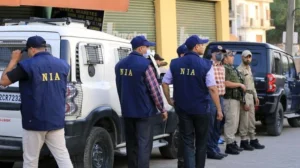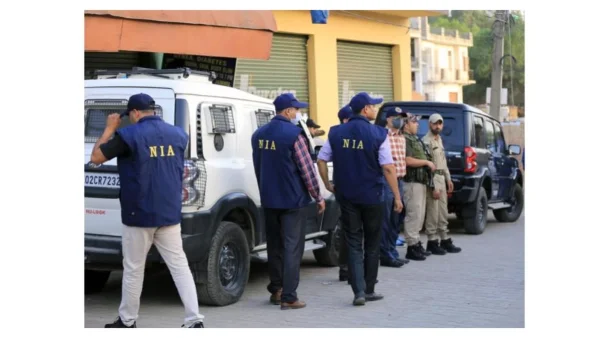
The agency stated that Zameer Ahmad and Tufail Ahmad were ‘over ground workers’ – OGWs – for the Ansar Ghazwat-ul-Hind group, which is banned. After being questioned, they were formally held in custody as it became clear they had been actively involved in the plan to bomb Delhi. Both men come from Jammu and Kashmir.
What the two are said to have done in the Red Fort car bomb plot
Investigators believe the two men got and moved weapons and ammo that was to be used against India. The NIA says what they did was part of a larger system for giving logistical help to the people who were actually carrying out the attacks. The arrests are the result of months of careful investigation and work in the field.
The investigation is mostly about Umar Un Nabi – the supposed mastermind – who was killed in the car bomb explosion at the Red Fort. The NIA has also named other people they believe were in on it, including Muzammil Ganai, Shaheen Saeed, Mufti Irfan, and Adeel Ahmed Rather. Earlier arrests were of people who gave shelter and logistical help.
As investigators have described the steps they’ve taken to build their case, the plot involved planning, getting explosives and weapons, and moving suspects from state to state. Zameer and Tufail are accused of giving weapons to Umar Un Nabi, and of helping with several terror-related plans, not only the Delhi attack.
The investigation, evidence, and how different agencies worked together
The NIA is in charge of the national investigation, under the case number RC-21/2025/NIA/DLI, and says they worked very closely with the police in Jammu and Kashmir, Haryana, and other agencies. Joint raids in the last few months found large amounts of explosives and things used to make bombs, which were connected to the wider network.
Investigators have said that parts of the operation are tied to what they call a ‘white-collar terror module’ which was broken up by crackdowns in many states. Getting evidence has included looking at what’s left of the explosives, looking at digital information, and getting statements from people who saw things – all of which helped to show where the supplies came from and where the safe houses were.
People hurt, when it happened, and what the effect was
The explosion – which happened on the evening of November 10th – killed over ten people, including the main accused, and hurt a lot of other people, according to what the agencies said. The blast in such a well-known place made people worry a lot about public safety, and how easily important places in the capital city could be attacked.
In the weeks after the attack, the authorities stepped up security around temples and other places people worship, after they thought there might be further attacks. The incident brought fresh attention to how people become radicalized, and what part support networks play in helping attacks to happen.
Now that eleven people have been arrested, the NIA says it wants to break up what’s left of the plot, and take people to court under anti-terror laws. It’s possible there will be more searches and people arrested as the forensic and digital investigations go on. The agency has said that the evidence will be what decides what formal charges are brought in court.
What the case means for security, and what happens next
For people who make policy, and security officials, this case shows how important it is for different agencies to work together all the time, to have tighter control over weapons, and for communities to be on the lookout. The investigation will probably affect what happens in the future with fighting terrorism, and what legal strategy is used as the courts start to hear the case.