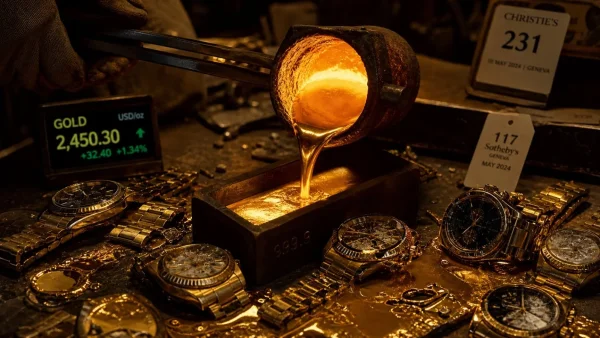
It’s an odd kind of upheaval in the high end: people are actually melting down mainstream gold watches. Gold has been on a tear, and with it sitting at about $4,200 an ounce after we saw $5,600 back in January, the numbers don’t add up for some. The scrap value is now in front of the resale price, and that’s changing the way business is done.
A market where metal outruns the maker
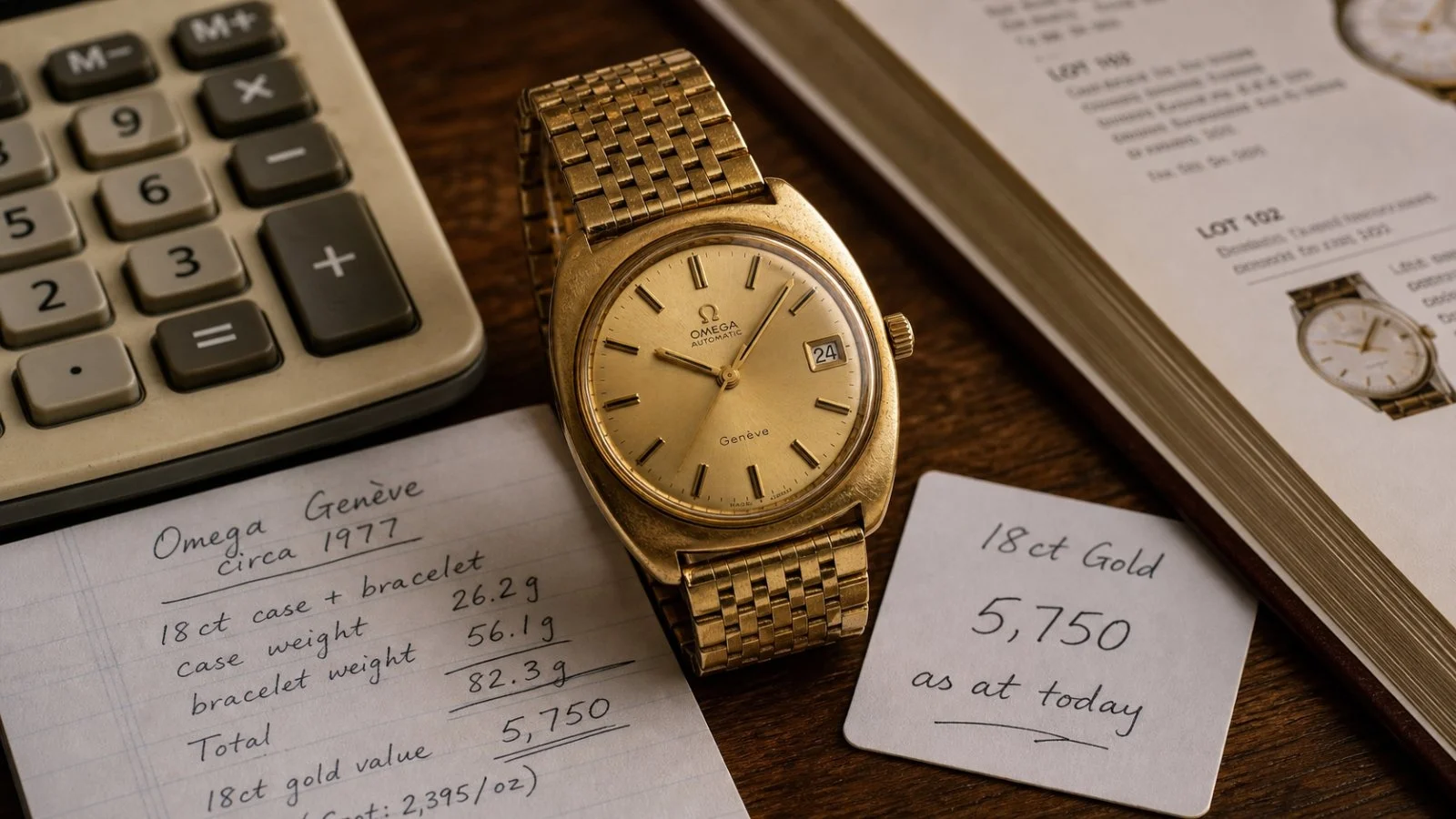
Put it in terms of hard figures and the picture is plain. Take an 18-carat Omega Constellation from the late 70s, says Jon White, a dealer in precious metals over in the U.K. The gold in it is worth 5,750, or $7,749. But put the whole watch up for auction and you’re looking at 4,000-4,500. The metal is 35% ahead of the piece itself.
White has put the torch to dozens of this year as some investors want in on bullion. When you factor in what it costs to service, put a new face on or honour a warranty, your margins get thin. For a few models that aren’t moving in the second-hand trade, there’s no point but to melt them.
You can have anything from a hint of gold to over 200 grams in a case or bracelet. Do the math on weight and purity and you’re talking tens of thousands in potential value. It’s a lot of motivation to recycle when the demand to buy dries up a bit.
Who is most exposed, and who is insulated
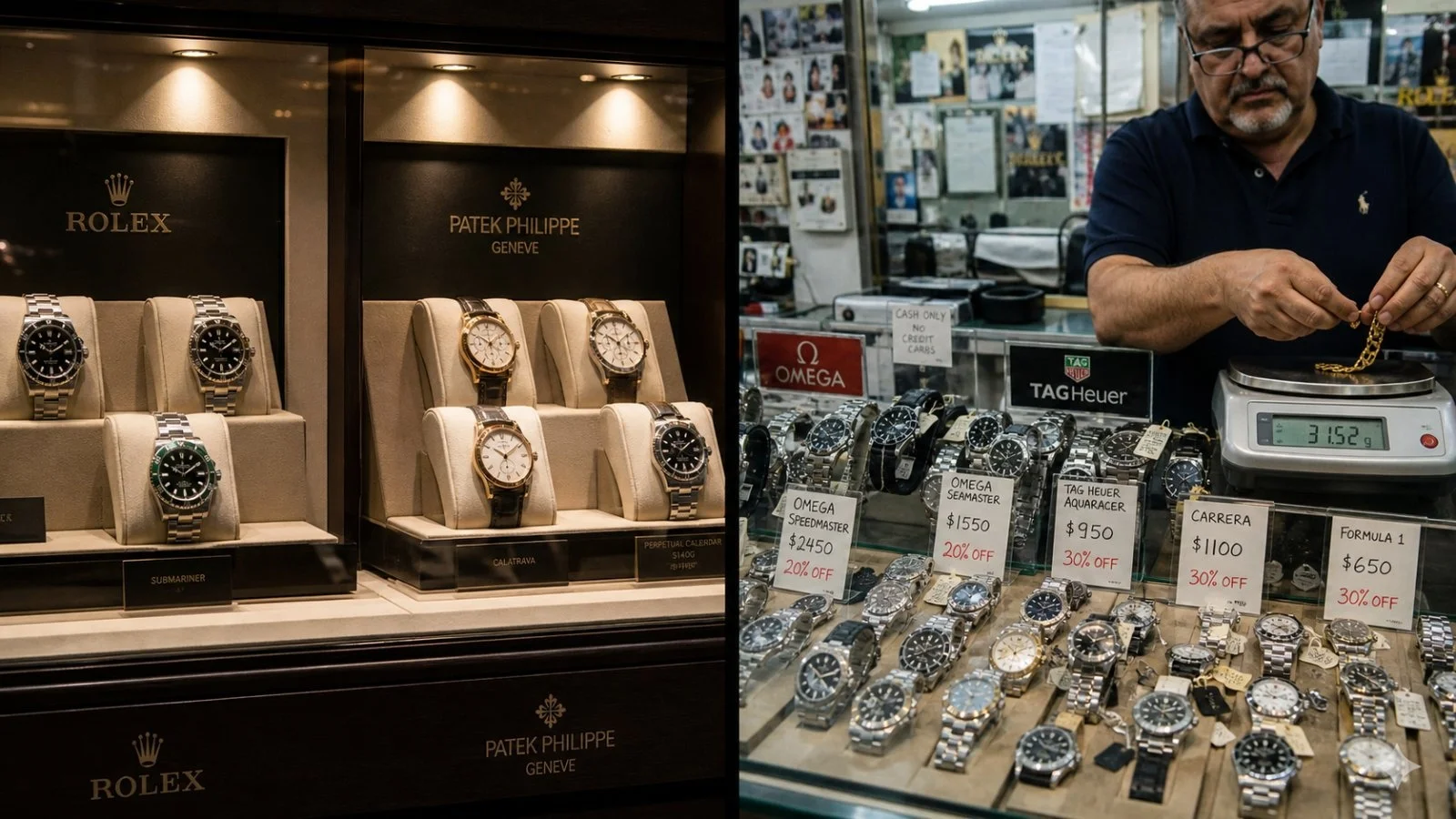
If you ask the experts, the ones in the line of fire right now are used Omegas and TAG Heuers. Any pre-owned or older piece that hasn’t made it to collectible status is at risk when gold is strong and the secondary market is not.
Dealers will tell you some Speedmasters take a hit in value the moment they’re sold. Breitling is in the same boat with deeper pre-owned discounts. Then you have Rolex and Patek, where you have to be patient. Their supply is kept in check and collectors are keen, so they can command a premium well above what the gold is worth.
For the in-demand references from those two, you could be on a list for 2 to 8 years. A bank put out some figures last year showing Rolex was 61% of the value in new Swiss watches over 3,000 francs, up from 57% in 2023, even if the actual number of units was down.
Overproduction, overheads and the dealer’s dilemma
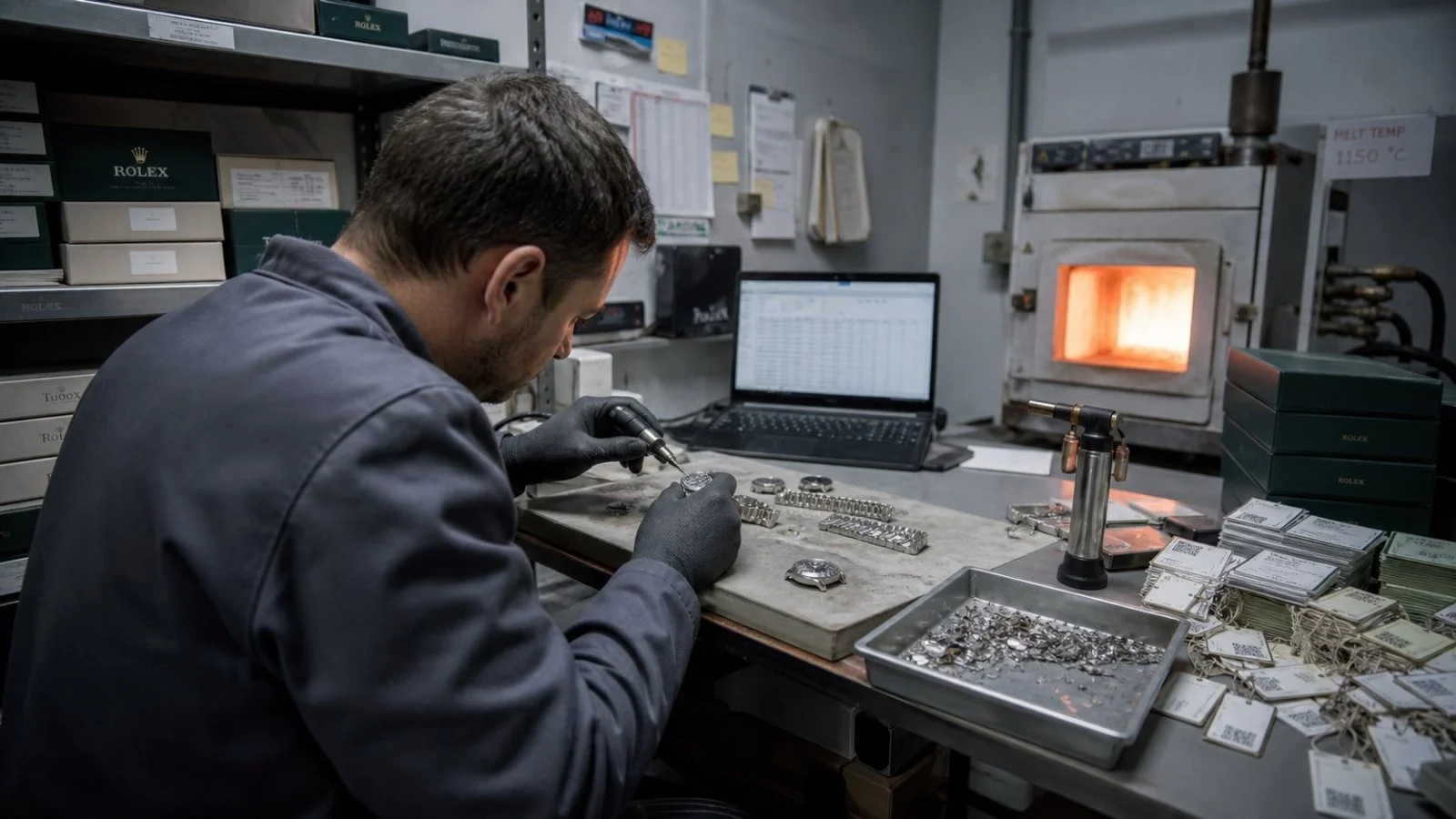
And it’s not just the pre-owned stock. Some new, never-worn pieces from a surplus in Switzerland are being taken apart. When a brand has made more than the market can handle, the metal is a faster way to liquidate. For a mass-market model, it’s easier on the books to melt it than to hold onto it and hope for the best.
Add in the expense of servicing and making sure a watch is genuine, and the economics can turn on a dime. So the run-of-the-mill, without any special story, tend to be the first to go. Not so with something rare or one of a kind; you don’t want to be the one to put an end to that.
Adrian Hailwood, a historian, will caution you: once you’ve melted a watch with a unique past or an interesting patina, you’ve lost it. The object is gone and with it, all its worth.
You can’t put a price on heritage, but for some collectors, the very idea of that being at risk is cause for concern.
Gold’s run-up has changed the rules of the game
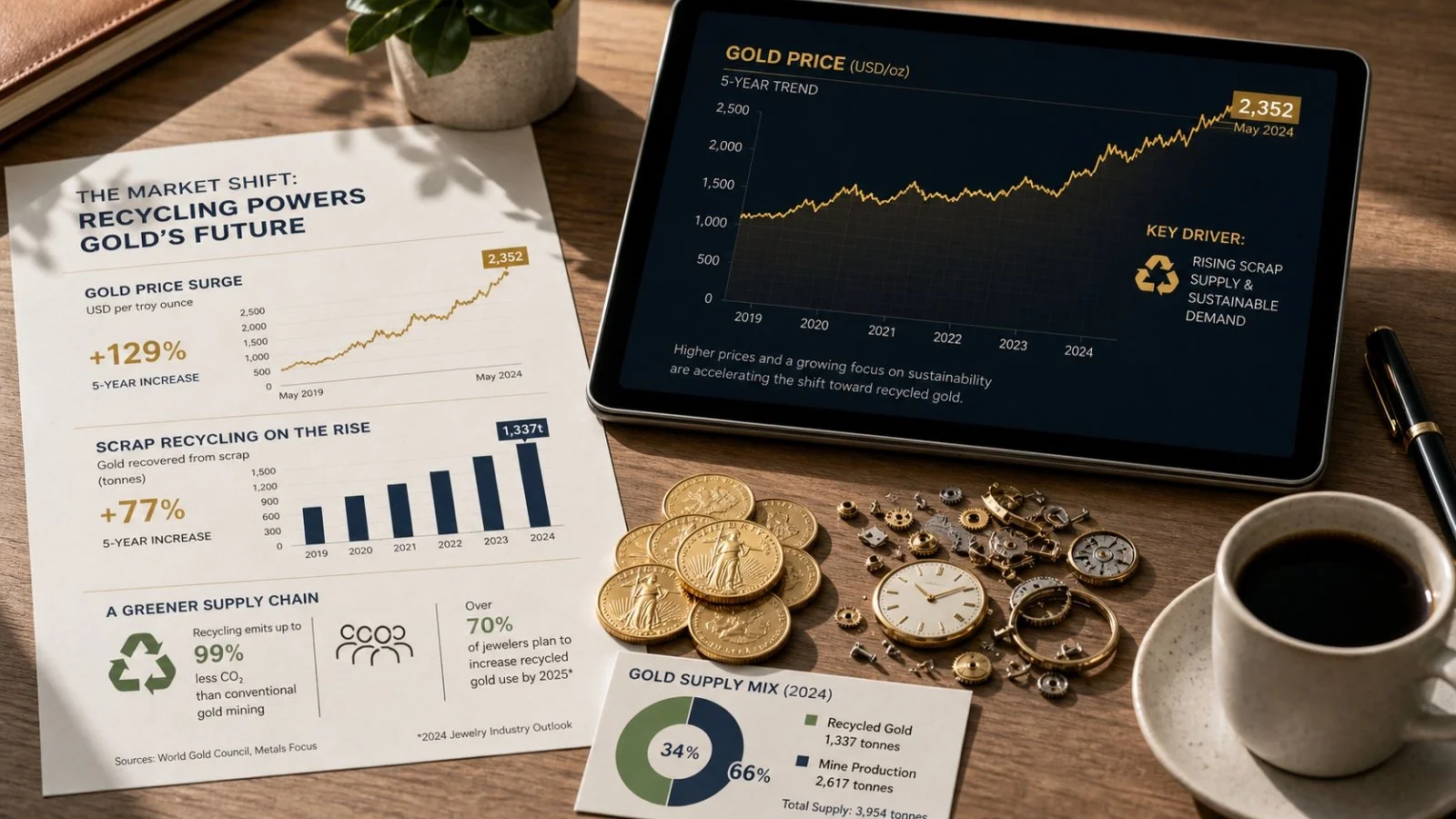
The gold market has been on a tear, leaving used-watch valuations in its dust. Sure, it has come back down to the $4,200 mark, but it’s still nearly double what you’d see in 2024 on average. Put in your dealer’s overhead and you have a widening chasm between the metal inside a pre-owned watch and what it will actually sell for.
We don’t have hard numbers on how many timepieces have been put to the torch. But the World Gold Council reports a 5% uptick in global gold recycling in the first quarter, up to 366 tonnes. Meanwhile, the pull of the metal is so strong that the value of gold-jewellery demand has leapt 31% to $47 billion.
It’s a hard pill to swallow for a name like Omega’s Constellation. You’ve got your usual celebrity crowd and red-carpet appeal, but an older gold model is now subject to some unflattering math: the bullion is worth more than the brand or the history behind it.
Here is what traders and owners are putting under the microscope:
– Gold was as high as $5,600 an ounce in January
– We’re looking at about $4,200 these days
– 366 tonnes of recycled gold (a 5% increase)
– Jewellery demand at $47 billion, up 31%
– An example: a Constellation’s gold content at 5,750 versus a 4,000-4,500 range
Why the rare ones hold their ground
Look at Rolex or Patek Philippe and you’ll see how much control a brand can exert. They don’t overproduce; they let scarcity do the work. It’s why a model can keep its resale heft even in a bullion frenzy. That kind of discipline keeps them from being seen as anything less than an asset.
Oversupply is a different story. For the rest of the pack, there’s a catch-22: you get steeper discounts on the secondary market while the gold itself is an easy way out. The luxury market is splitting in two – with the truly scarce pieces getting top dollar and the mid-tier golds making for the furnace.
To the collector, it’s a clear line in the sand. A well-provenanced piece is a luxury; something without the same following, in gold, is a commodity.
A matter of sentiment or sense
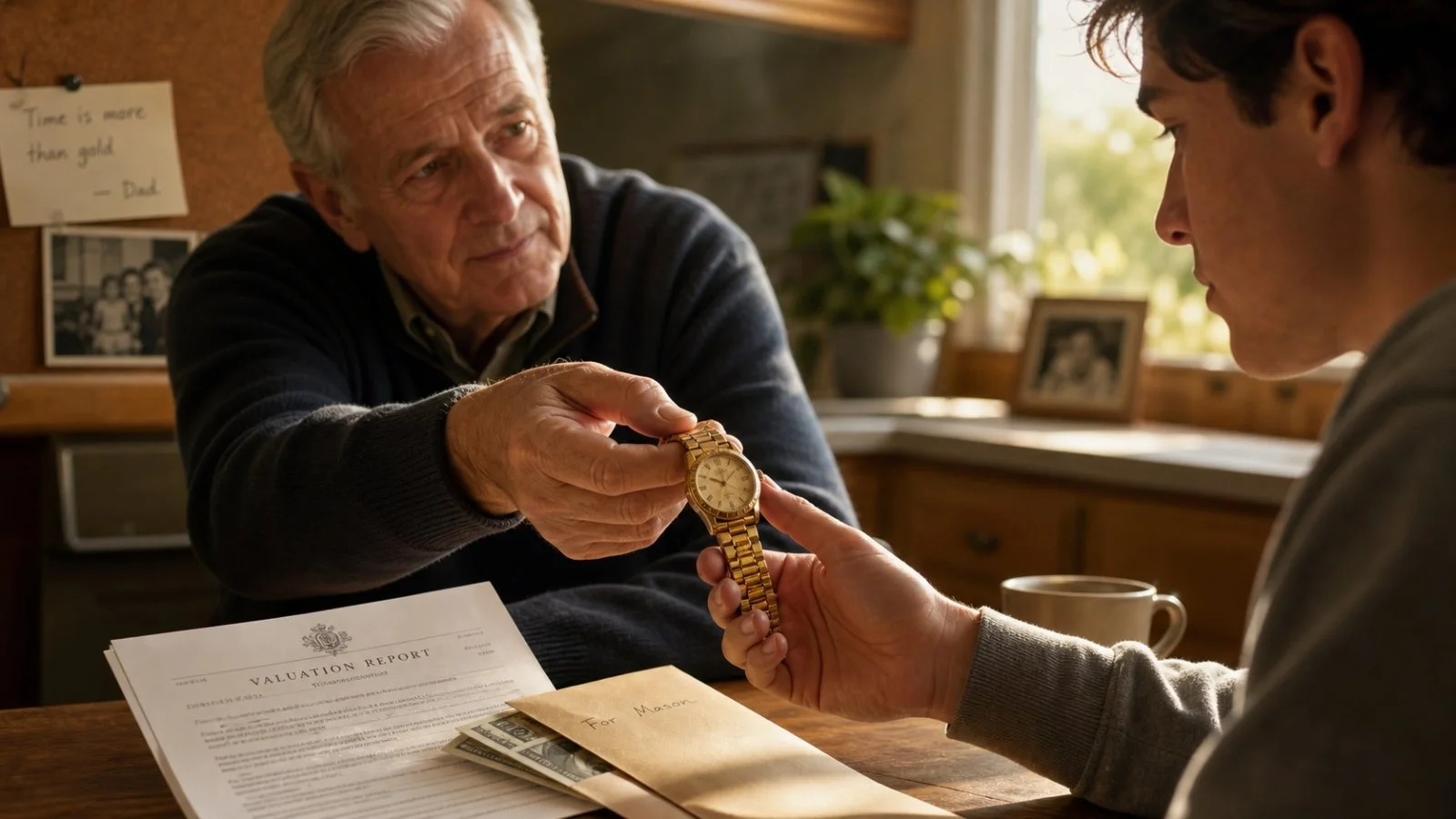
Then again, not everything is a numbers game. Some of us have a watch because it was a gift, a rite of passage, or an heirloom. You can’t put a figure on that kind of attachment, and it will keep a watch on your wrist no matter what the melt price is.
But some are taking the opportunity to put some cash in hand. A New York engineer who is retired made $2,660 in December for two gold watches and a chain with 35 grams of 58% pure gold. It’s a reminder of the kind of liquidity a hot market can provide.
If you’re on the fence, ask yourself:
– Is there any real demand for this from other collectors?
– Are the warranty and service fees a pain?
– What’s the story here?
– Would I make more scrapping it than at an auction?
– Is this one of those models that’s been overdone?
Looking ahead
Analysts think we could be in for more of this if gold keeps climbing. Dealers will have to be shrewd about their margins, and brands with a tight grip on supply will be in a better position to resist the lure of the smelter.
The bottom line is plain. A watch isn’t just about the time it tells anymore. When the price of gold is right, the temptation is to go from fashion to furnace. Only a good story, some scarcity and steady demand will save a timepiece from the crucible.