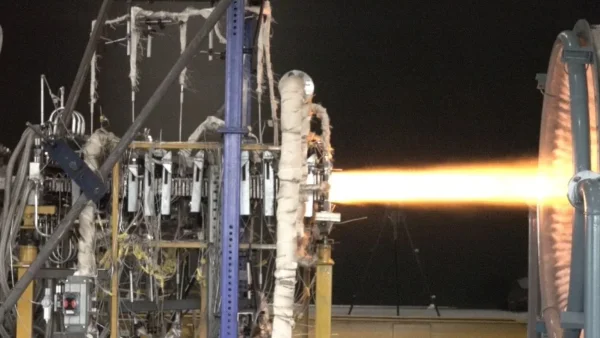
On Saturday, India showed a huge improvement in developing hypersonic missiles. The Defence Research & Development Laboratory of the DRDO ran a fully cooled, full-size scramjet combustor for over and for 20 minutes in Hyderabad. Experts are saying this long test on the ground is a major success in keeping a hypersonic vehicle flying.
Why is this happening now? Hypersonic cruise missiles need to travel faster than Mach 5, or over 6100 kilometers per hour. At those speeds, the incredible heat and the very quick burning of fuel make it extremely difficult to have something that will work consistently.
Why this combustor run matters
The combustor uses a liquid hydrocarbon fuel developed in India that absorbs heat before it burns, and this controls the extreme temperatures. It’s used with high-temperature coatings to protect from heat and new ways of manufacturing, which make the combustor last longer with all the heat.
The fuel is pumped through channels in the combustor’s walls to actively cool it, and this allows the engine to continue burning at hypersonic speeds for a longer time without breaking apart. This combination is key to changing brief periods of hypersonic flight into lengths of time that are useful for a mission.
Inside the Hyderabad test
The long test was done at the Scramjet Connect Pipe Test (SCPT) Facility in Hyderabad. The DRDO says the ground tests confirmed the design of the advanced actively cooled scramjet combustor and the abilities of the very modern testing facility.
The government said this successful test is a large milestone in India’s work to develop advanced aerospace and hypersonic technology. The DRDL designed and built the combustor, and companies in the industry made it a reality.
Key highlights from the run underscore what changed on Saturday:
– Full scale combustor ran for over 1,200 seconds
– Active cooling sustained hypersonic combustion
– Test conducted at SCPT Facility, Hyderabad
Rapid progression across recent campaigns
This newest success is continuing a fast-moving series of tests. The DRDO did an initial combustor test for 120 seconds in January 2025, and then a test with a smaller combustor for over 1000 seconds in April 2025.
This progress continued in January of this year with a full-size test lasting more than 12 minutes. Then, in January, another test achieved over 700 seconds. Going over 1200 seconds on Saturday strengthens these achievements with a full-size combustor.
The challenge of scramjet combustion
Scramjet engines take in air at hypersonic speeds, and the fuel burns while the air is moving at supersonic speeds. At that point, engineers only have a few milliseconds to inject the fuel, mix it with air, and light it, and at the same time they are fighting temperatures that could melt the engine’s parts.
The endothermic fuel helps by taking in heat before burning, lowering the temperature inside the engine. Coatings for high temperatures and advanced manufacturing methods give even more protection against material becoming weak and failing during long tests.
The programme’s enabling technologies can be summed up simply:
– Indigenously developed liquid hydrocarbon endothermic fuel
– High temperature thermal barrier coating
– Advanced manufacturing processes
What it means for the road ahead
Having the combustor work reliably for a long time at full size is essential for making practical hypersonic cruise missiles. By proving that it can remain stable for a long duration, the DRDL is closer to the long-lasting and dependable operation that these types of systems require.
According to officials, this successful test places India at the head of advanced aerospace ability and the latest developments in military technology. In addition to the main test, the SCPT ground tests have also verified that the test facility itself is working properly, and it’s a vital element for future hypersonic research.