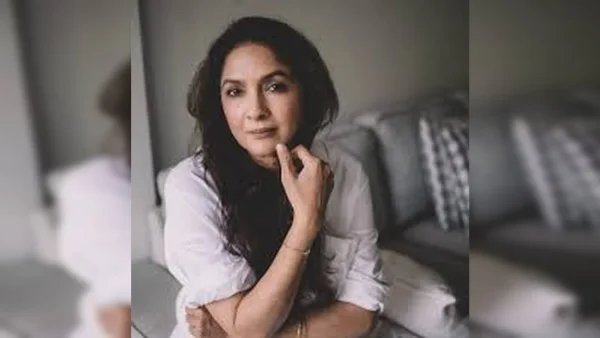
Veteran actor Neena Gupta has been candid about facing abuse from a director on the set and the compromises she made when she was starting her career. She said that she endured the abusive treatment because she had to make a living and they have left her with disquieting decisions of their own while her career turned around the corner.
Abuse on the sets and personal account
The stories she told about such continuous incidents recall how, when there had been no fault on her part, the director still scolded her patiently for the misunderstanding that had crept into the scene, humiliated her with cold and abusive language, and left her in front of the crew to bask in embarrassment. Thus, even well-established actors may suffer a lack of respect while remaining in such professions.
She was adamant in saying she had to compromise for fear of being unable to keep up with intolerable standards and live the life she has come to love. ‘I wasn’t in that situation willingly; I needed the money,’ she confessed, referring to the monetary spotlight under which she had to make certain compromises.
Financial considerations governing decisions
Ms. Gupta said that money could sometimes become a controlling factor for her. It happened that when work got scarce, she would be forced to work in films considered trash, offering steady but low pay. The money games seem to be a survival trait in a typical artist with flare and meager income.
On the other hand, she recalls things she feels guilty about, like smearing one film simply because she didn’t pour her being into the work, acting an arcless character, and robbing her very sense of raison d’etre: “Once I have done movies I wanted to vanish.”
These memories hold dual meanings. They provide a window to where actors make compromises and some relief of seeing a career change taking shape. Gupta’s acknowledgment of roles she had some regrets doing is an exceedingly great insight into what happens on the periphery of a profession.
Acting only and not planning to make a debut as a director forever
When asked if she would take a shot at directing on her own in future, she replied in the negative, saying she would rather act, for she is content acting right now with simply the characters that draw her attention. This analysis infused a sense of sensibleness-regarding her prime contribution there.
By sticking to acting, she kisses an experienced history of a lifetime, following roles that matter to her today. She opts for a recommitment to craft vis-a-vis reinvention.
Reviewing the pinnacles of a career and the most recent endeavors.
Gupta has worked in popular films, parallel cinema, television, and streaming, including some early classics and a range of successful modern ones showing the flexibility and willpower to go from films to serials to online series over a number of decades.
She appeared in a recent crime thriller in which she collaborated with her esteemed colleagues, further extending her capacious talent with a complementary ethical sequence.
Gupta has admitted to abuse and regret, shining a light on the precariousness of even beloved artists. This openness, in some way, may pave the way for discussions surrounding respect in the workplace, financial shakiness, and what destiny the performers might choose to secure for themselves for a game of existence through art.