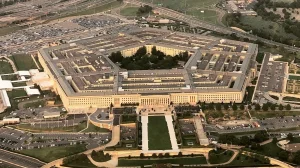
Put simply, the Pentagon is telling Congress that if there isn’t some new money on the table, they are looking at a squeeze on day-to-day operations this summer. According to those who have been on the other end of his calls, Deputy Defence Secretary Stephen Feinberg has put a figure of $80 billion in front of lawmakers to cover the Iran tab and other obligations. It’s shaping up to be a high-stakes budget row before the midterms in November.
Urgency and potential operational squeeze
Unless a wartime bill is put in motion, services could find themselves short on what they need to operate, some officials have put it. Feinberg has been on the phone with members of Congress in the last few days to make the case and lay out what happens if we don’t move, in what is clearly a concerted effort.
That comes as Defence Secretary Pete Hegseth was in town to see with some of the top Republican senators on the Hill this week, you hear from the lawmakers. They talked about the possibility of another defence request, a sign of how the war is putting a crimp in the way the budget is being done.
What the $80 billion would cover
This isn’t to bankroll anything new; the idea is to put some stability back into readiness, is the word from those in the room. You’ll have some of it going to the ships, to the people, and to the munitions, one person put it.
Here is where the money is needed, per the officials:
– To keep the ships in the water and on deployment
– Pay for the personnel so the force is ready
– Munitions to put some stock back in the box
Beyond wartime costs
They are also wrapping up a more expansive supplemental that lumps in the Pentagon’s needs with things like farm and disaster relief. The White House Office of Management and Budget has to give the nod first, but you could see it in the hands of a lawmaker in the next few days.
Costs so far and earlier sticker shock
Back in April, a Pentagon man put the price tag for the Iran war at some $25 billion, the first time they gave an official number to the Hill. It is for Congress to sort out the final tally for a conflict that Trump and Israel set in motion on 28th February.
There was a lot of head-shaking on Capitol Hill when they first came in with a $200 billion ask for more. That resistance is why you are now seeing a more modest $80 billion for defence being put around, according to those in the know.
Budget politics and the road ahead
You had Russell Vought, the White House budget director, in front of the House Budget Committee in April saying he didn’t have a handle on the war’s cost. He stood by Trump’s call for a $1.5 trillion military budget, even with the 2026 numbers in the neighbourhood of $1 trillion.
With Republicans wanting to hold onto Congress in November and voters getting nervous over the price of everything from energy to the war in Iran, the mood is tense. This new package, with a bit of non-defence help in it, is being put forward as a way to plug the holes.
The Pentagon has been open enough to run it by some of the important players, is the sense. Once the OMB is on board, it will be up to the Hill to decide if the urgency of the moment can win out in a year like this.