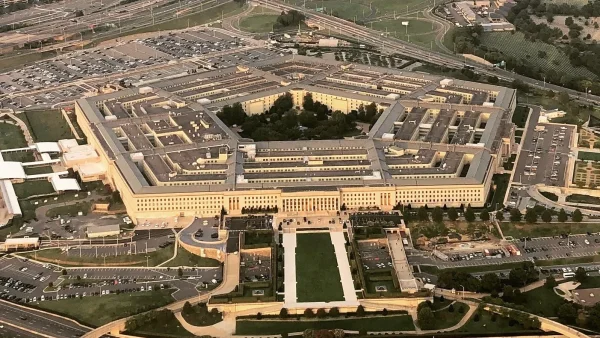
A high ranking official at the Pentagon, Jules Hurst (who is currently doing the job of Comptroller), told members of the House Armed Services Committee that $25 billion is the first official estimate of the war’s cost. Most of the money has been used for ammunition, though he didn’t say if the cost of repairing bases in the Middle East that were damaged is included in that $25 billion.
What the Pentagon told Congress
Jules Hurst provided that number to the House Armed Services Committee. He stated the bulk of the expenditure went to munitions, but didn’t give details about whether fixing up damaged bases in the Middle East is included in the total.
Defense Secretary Pete Hegseth, speaking at the same hearing as Hurst, said the President’s suggested 40% increase in the military budget would make up for many years of not spending enough. He spoke strongly to the members of Congress, even though he needs their approval for the increase.
Opening days and current posture
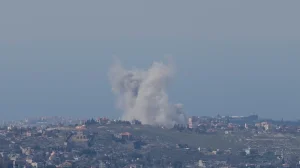
The US began bombing Iran on February 28th, and now there is a very unstable ceasefire in place. The Pentagon has quickly sent many thousands of troops to the area and is keeping three aircraft carrier groups in the region.
The fighting has had a high price, both in terms of lives lost and equipment used. Thirteen American soldiers are dead and hundreds have been injured, according to what lawmakers said during the hearing.
Costs, energy shock, and public opinion
Because of problems with shipping oil and gas, a very important shipping lane in the Persian Gulf is closed, and that has caused energy prices around the world to increase. In the US, gas and fertilizer are more expensive, making the overall increase in prices for consumers even worse since the war began.
Support from the American public for the war is decreasing. New polls show that only 34% of Americans now think the war in Iran is a good idea. That’s down from 36% in mid-April and 38% in mid-March.
What is in the $25 billion?
Important specifics are still not clear. Hurst didn’t say if the cost of rebuilding and fixing infrastructure is part of the $25 billion estimate, but he did say that munitions are the largest expense.
The Pentagon said that the first two days of the fighting alone cost $5.6 billion in munitions. While Hegseth insists the war hasn’t used up all of the important supplies, those who support the budget increase say that we need to replace the supplies quickly. Mike Rogers, who chairs the committee, warned that the world’s stores of ammunition are low and we don’t have the ability to make more quickly.
Here are the headline figures lawmakers are weighing:
– $25 billion spent on the Iran war to date
– $1.5 trillion total defence budget request
– 40 percent proposed increase versus last year
– $5.6 billion in munitions in the first two days
– 13 US troops killed, hundreds wounded
– Three US aircraft carriers kept in the region
Budget battle and allied tensions
The hearing was also a test of the strategy being used. Adam Smith, the leading Democrat on the committee, said the President’s request for money is completely unrealistic and asked for a clear plan for achieving goals in Iran, considering how much the war is costing.
Hegseth criticized what he called thoughtless, weak and losing statements from some Democrats and Republicans about the war. He warned other countries that they will face problems if they don’t help, and specifically criticized NATO for what he called a shocking lack of support. He said we won’t forget who helped, and praised Israel, South Korea, Poland, Finland and the Baltic states.
Midterm politics and what comes next
People’s worries about the cost of living are a major factor in the fight over the budget. Republicans are worried about asking for an extra $440 billion that might mean there’s less money for popular social programs. Democrats believe the costs of the war are tied to how affordable things are for people.
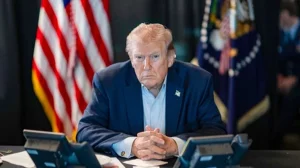
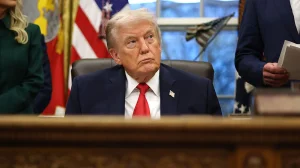
According to what was said during the hearing, the President is also pushing Iran to have talks, and Donald Trump is trying to get the US Navy to block Iran's ports. With the fragile ceasefire and the closed waterway in the Persian Gulf, what happens next depends on Congress’s decision about the budget, and whether diplomatic talks can reduce the economic and strategic effects of the war.