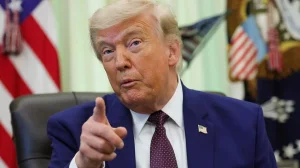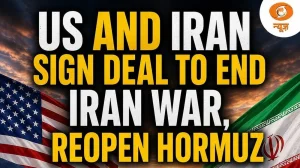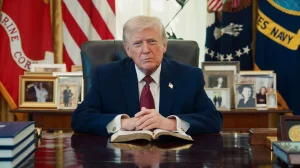
Trump is making much of the new arrangement with Iran as a no-brainer kind of win, not one for mincing words about where his power ends. It’s been a way to set the stage for some hard-nosed diplomacy and to put a lid on the energy issue. As for what he made of Tehran’s capitulation? An ‘unconditional surrender,’ in his words. And after three and a half months of it, he says it has shown there are ‘no limits’ to what he can do.
You have to go back to the fighting this past week that had the world’s energy markets on edge to see why this was put to paper on Thursday. The idea is to put some calm in the Strait of Hormuz and make room for more serious conversations. Trump put it down to necessity: you don’t want an economic shock, even if you like to think of the military side of things as a demonstration of US clout.
Deal framed as victory, power claims stir debate
Don’t expect to hear from him that the whole affair has put him in his place or made him think twice about the bounds of the presidency. ‘I haven’t learned that lesson yet. I know there are, but there are no limits,’ was his line in a recent sit-down. To him, it was all about leverage, not being put in a box.
He points to the naval cordon as proof of who is in charge. ‘Who else could have done a blockade like that? I did a naval blockade where not one ship was able to get through. Some tried. It didn’t last very long.’ In his view, that kind of pressure is what made them come to the table.
Energy stakes and the Strait of Hormuz
For Trump, moving to the negotiating table was a way to head off a bigger economic problem. He’ll tell you that if he had been harder on them, a key artery would have been shut down. ‘The only way I can get tougher is if I go in there for another two or three weeks and continue to bomb the hell out of 'em.’
‘But what does that get us? The Strait of Hormuz will not be open,’ he said. ‘We wouldn’t have oil for months.’ Then he added: ‘This is the kind of thing that could cause a worldwide depression.’ So for now, the job at hand, as the White House sees it, is to get the shipping lanes moving and cool things off.
Regional pushback and guarded assent
Over in Tehran, the supreme leader, Ayatollah Seyyed Mojtaba Khamenei, has given the green light to the understanding with Washington, but with some reservations. On state TV on Thursday, he made it known he had approved it, though he also let on that Trump had used every bit of his influence to make it happen.
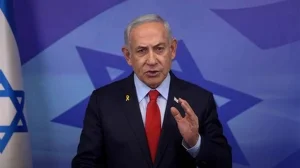
Israel isn’t having any of it when it comes to the US-Iran dynamic and has made plain it’s not leaving Lebanon. That’s going to be a thorn in the side for anyone trying to put this in practice. You can see the strain in the diplomatic channels, with the US having to stand its ground with some of its partners.
Israel’s stance complicates implementation
Then there’s the matter of Vice President JD Vance, who has been at the heart of this, and a trip to Switzerland that has been put on hold. The White House is pointing to the fact that you can never be sure with these kinds of talks. ‘The logistics of these negotiations have never been simple or predictable. As of now the Vice President is not departing tonight.’
Vance has been at pains to let the Israelis know not to make an enemy of their only real friend. ‘If I was in the Cabinet of the Israeli government, I might not be attacking the only powerful ally that I have anywhere left in the entire world,’ he put it, in case they missed the point.
What the memorandum sets in motion
With the signing of the memo, we are in a 60-day run-up to a final word on the war. It is written to call for an end to hostilities on every front, Lebanon included. Whether the political will is there in all the right places remains to be seen.
We’ll start with de-escalation at sea and some technicalities. Washington is in a hurry; you can read the mistrust in Tehran even as they talk; and then you have Israel. The next few weeks will tell if this can take the heat.
Here is how it looks from the different sides of the table:
– The US is calling it an ‘unconditional surrender’ by the Iranians.
– Iran’s top man has allowed for it, but won’t put his full stamp on it.
– Not an inch from Lebanon, according to Israel.
– Some hiccups in the planning as the numbers don’t always add up.
– For the moment, it’s about getting the ships to move again.
Trump has a way of mixing his wins with a warning about the economy, and around here you have everything from a reluctant yes to a flat-out no. We’ll have to wait and see if the 60-day plan can survive the politics or if it gets derailed before we get to a conclusion.