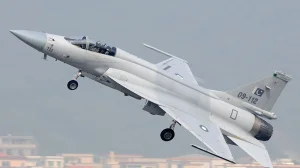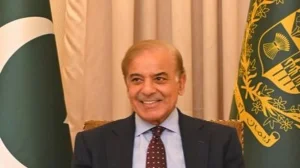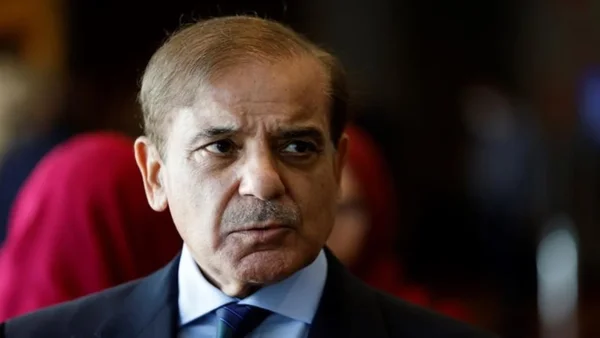
It is shaping up to be a showdown of sorts. The armed forces have put in for a 20 to 25 percent boost, but the Finance Ministry, with the IMF looking over its shoulder, is only mulling over 5 or 7 percent. That leaves the prime minister in a bind.
IMF pressure sets the boundary
An IMF delegation is in Islamabad for in-depth talks on the 2026-27 plan. They have made their disapproval clear: they don’t like the idea of more money for security when the economy is still on shaky ground.
What the talks are targeting
Finance officials say the fund has been blunt about it – too much on defence and you jeopardise the whole recovery. They want to see a broader tax base and some hard-nosed structural changes.
What the military wants vs what is likely
Even so, the defence side is not backing down. For the next fiscal, they are after a 20 to 25 percent increase, even with the financial headwinds and the fact they are propped up by outside help. It is a lot to ask after last year already saw the numbers go up by almost 20 percent.
Budget calculus and political stakes
With the current tab at some Rs 2550 billion, the Finance Ministry is being cautious. A 5 to 7 percent nudge is what they are considering, given the pressure from the IMF and the fact there is not much room to move.
You had the same thing in FY26, with a 20% hike despite the inflation and debt worries. Officials think this latest request is hard to swallow, even if the security apparatus says it is a must.
All of this is happening with the federal budget just around the corner. You have high debt, inflation and thin reserves to contend with, and the war in Iran has made things worse, according to those in the know.
A little more than a year on from Operation Sindoor, the military is back for more. The government has to square that with the lender’s rules on consolidation.
For the coalition, it is a matter of optics. Give in to a big hike and you risk the IMF’s trust; stand your ground and you make enemies in the security wing.
So you have a bit of a pull. Negotiators are churning through the numbers on everything from taxes to subsidies to where the development money should go. The Finance Ministry is running the scenarios to come up with a figure everyone can live with.
Here are the flashpoints shaping the outcome:
– Size of the defence hike within 5 to 7 percent
– IMF tolerance for variance from targets
– Trade-offs with development spending
– Pace of tax base expansion and reforms
Why this matters beyond one budget
In the end, it will show where Pakistan puts its priorities. We have been on the IMF’s lifeline to keep from defaulting, and any sign of slippage will make borrowing pricier and stifle growth.
Then again, holding back on defence could open up some leeway for reform, provided you can make up the revenue. If not, then the cuts won’t mean much.
The next few weeks will tell us if Islamabad can have it both ways. Everyone will be looking at the final tally to see what was let go and what was put in its place.