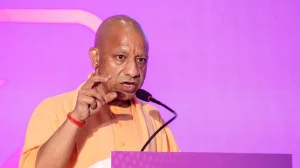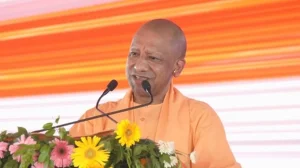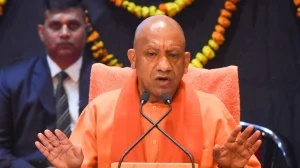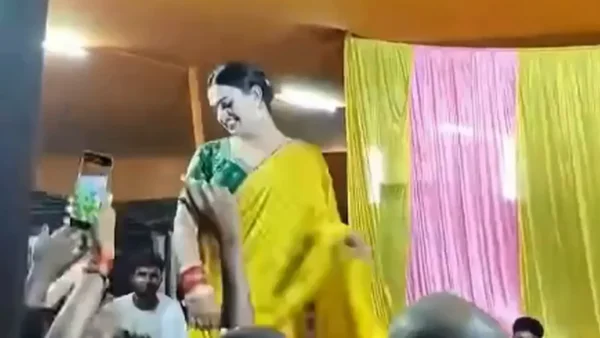
Uttar Pradesh Chief Minister Yogi Adityanath recently served mishri (rock sugar) and malai (cream) to Kanwariyas participating in the annual Kanwar Yatra, with visuals of the event widely shared on social media. While supporters praised the gesture as a mark of respect for devotees and India’s cultural traditions, critics argued that it raises important questions about the role of the government in religious activities.
The incident has reignited a larger debate: Where should the line be drawn between facilitating a religious event and actively participating in it?
What Happened?
During the ongoing Kanwar Yatra, Chief Minister Yogi Adityanath participated in arrangements for pilgrims and was seen serving refreshments to devotees.
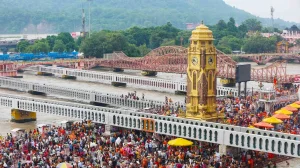
Every year, millions of Kanwariyas travel across northern India carrying holy water from the Ganga to offer at Shiva temples. State governments typically make extensive arrangements, including:
Security deployment.
Traffic management.
Medical camps.
Drinking water facilities.
Temporary shelters.
Sanitation services.
This year, the Chief Minister’s participation became a talking point, with supporters and critics interpreting the gesture differently.
Supporters Say It’s About Service, Not Politics
Supporters of the government argue that the Kanwar Yatra is one of the largest annual pilgrimages in India and requires significant administrative support.
According to them:
Serving pilgrims is a cultural tradition.
The government has a responsibility to ensure the safety and comfort of millions of devotees.
Elected representatives participating in such events reflects public service and respect for local traditions.
They also point out that governments have historically made arrangements for various religious gatherings across different faiths.
Critics Ask: Where Does Governance End and Religious Promotion Begin?
Critics, however, view the matter differently.
They argue that while ensuring security, healthcare, and traffic management is the government’s duty, active participation in religious hospitality using the authority of the State raises constitutional and ethical questions.
Their concerns include:
Should taxpayer-funded resources be used beyond essential public services?
Does visible participation by the State create the perception of favouring one religious community?
Should governments maintain a greater distance from religious activities while ensuring equal treatment for all faiths?
These questions continue to fuel political debate.
India’s Constitution and the Principle of Secularism
India’s Constitution embraces secularism, which requires the State to maintain neutrality among religions and ensure equal treatment of all communities.
At the same time, governments routinely provide administrative support for large religious gatherings, including:
Kumbh Mela.
Amarnath Yatra.
Haj-related facilitation.
Urs festivals.
Major church and temple events requiring crowd management.
The constitutional debate is therefore not about whether governments should provide security and infrastructure—but about whether they should actively participate in religious ceremonies or symbolic acts.
The Political Optics
The visuals of the Chief Minister serving devotees have also become part of the political narrative.
Supporters describe them as images of humility and service.
Opponents argue that such gestures blur the distinction between governance and religious symbolism.
As with many politically sensitive issues, public opinion remains divided.
The Bigger Question: Service or State Endorsement?
The controversy highlights a broader issue that goes beyond one event.
Few dispute that governments must ensure the safety and orderly conduct of large public gatherings. The debate begins when the State moves from facilitating a religious event to visibly participating in it.
Citizens may reasonably hold different views. Some see such participation as an expression of India’s cultural heritage, while others believe that a secular government should focus on public administration and leave religious hospitality to private organisations and volunteers.
Ultimately, the question is not whether devotees deserve respect—they do. The question is whether the role of the government should be limited to ensuring public safety and essential services, or whether it should extend to symbolic participation in religious events.