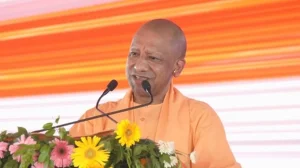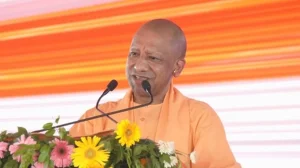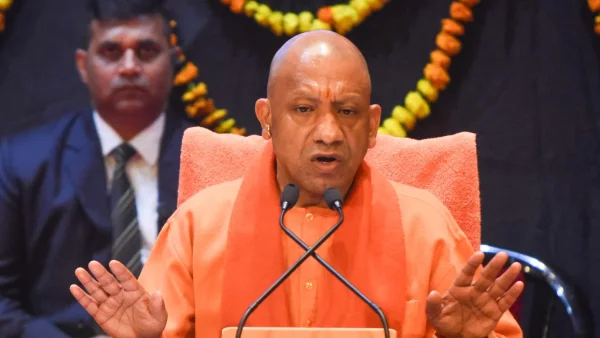
Chief Minister Yogi Adityanath has given the word to extend the Bal Shramik Vidya Yojana to the full 75 districts with some new rules, as the state scales up on rehabilitating child labourers. You can see this in the numbers: there’s a tech-fuelled push for jobs and a good deal more factories being put on the books, which is what you’d expect from a labour-first policy.
In a review of the Labour and Employment Department’s plans, Adityanath made it clear he sees the worker as the engine of the state’s economy. He was firm on the point that we have to put first things first when it comes to the dignity and safety of our people, as well as quality schooling and work for the youth and the underprivileged.
Child labour scheme set for statewide rollout
The chief minister put it bluntly: no child should be kept out of school because of money. He has called for some focused drives in the hard-hit areas. His instructions to the officials were to get these kids into schools, make sure the rehabilitation is solid and put together a plan for skill building with the private sector on board.
For those not in the know, the Bal Shramik Vidya Yojana has been around since 2020. It’s a way to put working children between the ages of 8 and 18 in a classroom and give them some financial help. Right now it’s in 20 districts; the idea is to make it available everywhere in UP.
Tech-led services and local jobs via Sevamitra
Adityanath has a lot of faith in technology as a way to put people to work. He pointed to the Sevamitra Vyavastha as a case in point – a model that is as good for the public as it is for making a living. Since 2021, people have been able to book domestic services by app, website or phone.
Do the math and you have 1,097 service providers, 5,049 Sevamitras and nearly 55,000 skilled workers on the system, per the officials. The CM has told his departments to make use of it, saying it’s a matter of transparency and a means to put some local hands to work.
Industry expansion and worker support infrastructure
There has been a fair bit of institutional reform to keep the climate right for business without forgetting about the welfare of the workforce. We are up to 32,583 registered factories in the state. Back in March 2017, the figure was 14,176. In 2025-26 alone, 4,860 have come on line.
To keep up with that kind of growth, we need to put some guardrails in place. That’s why there’s a call for Labour Addas in every industrial city for the construction crowd. Adityanath was at pains to say these should be proper support centres, not just a place to congregate, and that migrant housing has to be safe and in order.
He also saw the new training institute and hostel in Kanpur as a no-brainer for upskilling. For the chief minister, the whole point of creating jobs is to open doors for young people, whether here in the country or on the world stage.
Employment push in India and abroad
The Uttar Pradesh Rozgar Mission, which was put in place in July 2025, is on the job of opening up avenues at home and overseas. They have the necessary licence from the Ministry of External Affairs. Out of 27,555 youths picked through various programmes in places like Lucknow and Varanasi, 2,300 are going to be working out of the country.
This past year, 3,74,776 candidates have found work after 3,030 job fairs and campus events. On top of that, 6,80,469 have been through some career counselling. Adityanath has made it a point that these fairs should be in tune with what the industry wants and where the youth are coming from, with a link to the Sardar Vallabhbhai Patel zone.
We have openings in Germany, Japan and Slovakia. To make that happen, we’ve put pen to paper on some deals to start teaching the relevant languages so our people are ready for placements in those countries.
Looking ahead, the CM wants a 21st-century Employment Department. More AI, more online counselling on the Rozgar Sangam portal – the goal is to be on top of what the workforce of tomorrow will need.
Key directives at a glance
Here is what came out of the meeting in the way of action:
– 75 districts to be covered by the child labour scheme
– Some hard-nosed drives in the problem spots
– A skill development plan with the private sector
– Departments to put Sevamitra to use
– Put in place Labour Addas in the industrial hubs
It’s more than just a to-do list. The policy is to use school and skilling to put a stop to child labour, let technology do some of the heavy lifting in service delivery, and make sure training keeps pace with industry. How well it is put in motion across the state will be the real measure of success.