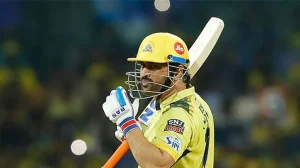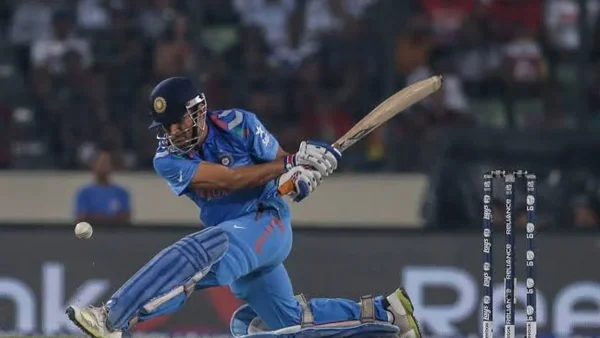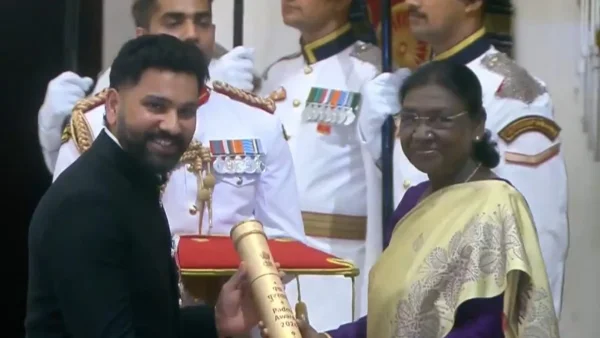
You could say the Padma Shri is a fitting title for one of the game’s top run-makers and leaders in this country. President Droupadi Murmu handed it over on Tuesday, and now the ex-captain is in good company with some of the greats: Virat Kohli, Sourav Ganguly, MS Dhoni and the rest of them.
They call it a nod to his work over the last few decades, and for Rohit it is something of a milestone. But it’s also about the kind of example he sets, for the players and supporters who are just coming up through the ranks.
Recognition from the highest office
When you get the Padma Shri, you get a Sanad – a certificate with the President’s signature on it – along with a medallion and a small replica. For someone who has led the side and set the tone with his bat, there is as much meaning in the ceremony as in the medal.
The BCCI were quick to put in a word of congratulations, hailing it as a very fine honour from the President and calling him a great of the sport. You can feel that kind of respect in any cricket circle in India; they see his longevity and the way he has carried himself as a leader.
What the Padma Shri represents
It is the fourth-highest civilian award in the land, after the Bharat Ratna, the Padma Vibhushan and the Padma Bhushan. It is for people who have made a name for themselves in anything from the arts and literature to science, medicine or public service.
The Government of India has been dishing out these honours since 1954, every year on Republic Day. It is not for sports alone, but when a cricketer is given one, it says something about the game’s hold on the country’s culture.
A few things to note for the fans:
– Fourth in line of civilian honours
– A 1954 institution (2 January)
– An annual affair on 26th January
– For those with a record of distinction
– Open to all kinds of fields
– A form of national-level kudos for sport
Cricket’s growing roll of honour
Forty-two of our cricketers have had the Padma Shri put on their CV. It was Vijay Hazare who broke the ice for the game back in 1960, and it has been a running theme ever since.
If you look at the list, you have some of the old guard: Pataudi in ’67, Vishwanath in ’71, Azharuddin in ’88, Venkataraghavan in 2003. More recently, Kohli was done up in 2017 and Ashwin in 2025.
By the numbers, 37 men and three women have been so recognised. With Rohit and Harmanpreet Kaur being the most recent, you have a bit of both sides of the game well represented in this club.
Why this moment matters
For Rohit, it is a way of putting a stamp on his influence. It’s not only about the runs; it is about how he has steered the ship in tough times and put in the goods when it counted. That is what is being acknowledged here.
On a broader level, it shows how the ones who make a difference in Indian cricket are part of the country’s own story of success. Letting the next lot of cricketers see that can be a motivator to put some purpose behind their play, in the knowledge that the nation is watching.
So Rohit is in with the big time now, in a group with Kohli, Ganguly and Dhoni. It is a period of high stakes and he has been up to it. And for the fans, it is a reminder of why we like to see these awards: they are the markers of what makes up the legacy of the game in India.