Any doubt as to when exactly to hold the 2026 observance has been put to rest. We go by the tithi at sunrise, as is custom, so the fast is set for Thursday, 25 June 2026. The Panchang makes it clear: since the sunrise is in Ekadashi, that is the day for the vrat.
If you are looking at one of the more common calendars, the tithi for this Ekadashi runs from 2:42 pm on Wednesday, 24 June to 4:39 pm the next day. You will break your fast (Parana) on Friday, 26 June 2026, some time between 5:49 am and 9:03 am, while Dwadashi is in effect until 6:52 pm.
Then there are the other numbers you might have seen online. A different source has the tithi from 6:12 PM on the 24th to 8:09 PM on the 25th, and puts Parana anywhere from 5:44 AM to 8:24 PM. But in the end, 25 June 2026 is still the day to fast; the rule of the sunrise doesn’t waver.
How the fasting day is determined
It’s a matter of where the sun is at dawn. In our tradition, if the tithi is Ekadashi when the sun comes up, that is when you keep the vrat. This year, the Shukla Paksha of Jyeshtha sees the sunrise on a Thursday, which is what puts the 25 June date in stone.
Nirjala is a word for “no water.” There is no room for food or drink, so it is the most demanding of the lot. Some call it Maha Ekadashi for the holiness of it all.
Key timings for Nirjala Ekadashi 2026
Here is what you need to know at a glance:
– Fast day: Thursday, 25 June 2026
– Tithi: 2:42 pm, 24 June to 4:39 pm, 25 June
– Parana: 26 June 2026, 5:49 am to 9:03 am
– Dwadashi ends: 6:52 pm on 26 June 2026
– Some listings: 6:12 PM Jun 24-8:09 PM Jun 25
– Some Parana listings: 5:44 AM-8:24 PM
Why this Ekadashi is revered
Of the 24 Ekadashis, this one is often held in the highest regard. The old texts will tell you that if you do this one with the right spirit, it is the same as having done them all over the course of the year.
It is a time for cleansing and for the grace of Vishnu. The idea is that it can wipe away what has come before, give you a longer life, and be a step toward moksha and Vaikunta.
There is a story from the Mahabharata for why it has another name. Bhima was too hungry to make it through a monthly fast, so Ved Vyasa told him to put his heart into just this one. He made it, and so it is sometimes called Bhimseni or Pandava Ekadashi.
Rituals, prayers and charity
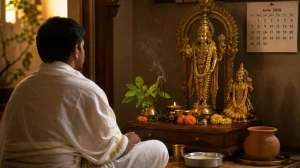
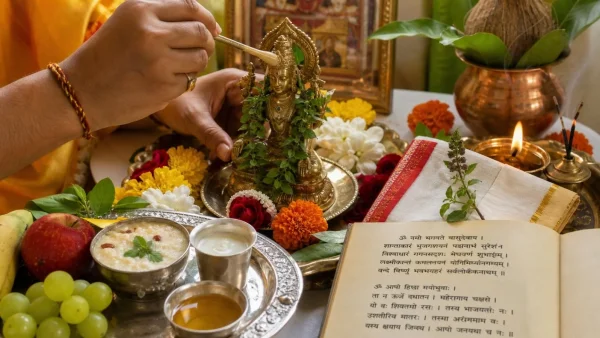
The day starts early with a bath and a promise to see the vrat through. You will be worshipping Vishnu and Lakshmi, and we are told that Ravi, Shiva and Siddha yogas will be in the making this year.
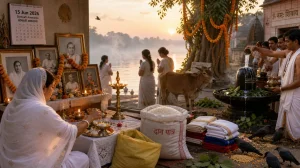
There is value in saying Om Namo Bhagavate Vasudevaya or going through the Vishnu Sahasranama. To be rid of sin, you can hear the katha of the day. And for some good karma, a donation of water – a pot with some Tulsi in it is a fine way to do it.
Breaking the fast with care
Come the morning after, you do your Parana within the hours of Dwadashi. Just don’t let it be Hari Vasara and make sure you are done before the tithi is up. Most will have some water or a bit of fruit to get back to normal.
What this means for devotees
In short: 25 June is for the fast, 26 June for the Parana. If you have not been able to make the others, this is your chance to do them all in one, provided you are sincere about it.
It is more than just holding off on a meal. It is a day to be present in your devotion and your giving. Now that we have the date down, you can make your plans without a second thought.