What the ‘come early, go early’ plan involves
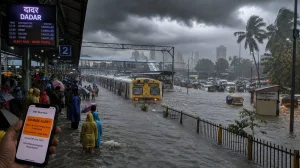
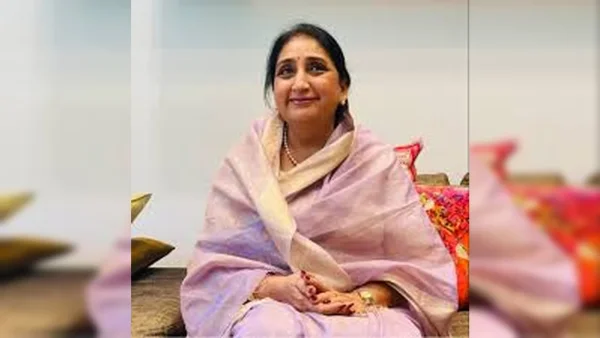
The new policy means women staff can arrive at work any time from 9:15 am to 9:45 am and then leave the same number of minutes earlier. Deputy CM Pawar stated that, usually around 30 minutes, this would cut down on crowding and the amount of time spent in Mumbai’s traffic.
Pawar described the step as being helpful for people travelling, and fitting in with wider attempts to make workplaces easier for women to get to. She stressed that even a small change to office hours could give real benefits in terms of safety, being on time, and getting work done – especially in a busy city like Mumbai.
How the plan will work and who is eligible
Women who work for the government in the area covered by the Brihanmumbai Municipal Corporation will be able to use the scheme. Staff can clock in between 9:15 am and 9:45 am, and leave earlier by the same amount of time, but must still work the normal number of hours.
The policy does not interrupt services, as core work hours will stay the same, but allows for some flexibility. Departments will have to change the ways they record attendance, and work with managers to make sure services continue as normal while the plan is being brought in.
Safety and wellbeing work that goes with the plan
Pawar used her speech to point to a number of safety steps already in place, like Operation Muskan and Operation Shodh, which have found tens of thousands of missing children and women by early 2026. She said that 42,594 children had been found through Muskan, and more than 7,800 people through Shodh.
The state has also set up 51 Bharosa Cells and special cells for missing people in districts, to deal with cases that affect women and children. Dedicated police at main railway stations were also mentioned, as part of efforts to stop cyber crime and make travel hubs safer.
Help for working mothers and work in the countryside
As well as changes to travelling to work, Pawar repeated that maternity benefits included 180 days of leave, and the option of a further year at half pay. She described this as a way to stop women from having to choose between having a job and looking after children, and to keep women in the workforce.
The Adishakti Abhiyan was highlighted as working to stop child marriage and children leaving school in rural areas. Pawar connected these social programmes to longer-term aims of education, nutrition, and stopping gender-based disadvantages that affect job chances.
Helping women financially and giving them access to the digital market
Pawar set out financial steps meant to strengthen women's financial independence, mentioning programmes like Ladki Bahin and Lakhpati Didi, and the Fourth Women’s Policy. These steps prioritise ending violence based on gender, and making health, education and nutrition easier to get.
Digital platforms like Umed Mall and Mahalakshmi Saras were put forward as ways for self-help groups to sell goods on the internet and reach bigger markets. These tools are meant to turn local production into income that women entrepreneurs can rely on.
Problems with putting the plan into practice and what it is expected to achieve
The scheme will need cooperation between departments in the municipality, updated systems for recording attendance, and clear information to staff. Managers will have to make sure workloads stay balanced, and watch for any gaps in the service given during changed arrival and leaving times.
If put into practice smoothly, the policy could cut down on the stress of travelling to work, make people more punctual, and help women stay in their jobs. Along with the safety cells, help for mothers, and financial programmes, the step adds to a layered approach to the wellbeing and empowerment of women in Maharashtra.
What the plan is and why it is important
Sunetra Pawar presented the ‘come early, go early’ plan as a sensible, low-cost step that fits with larger policy aims. By dealing with the everyday difficulties of travelling to work, as well as wider wellbeing programmes, the state is trying to create safer, more inclusive conditions for women in public employment.
The step shows how targeted changes to how things are done, when put together with safety and financial steps, can give immediate help and support longer-term aims of equality between the sexes in urban India.