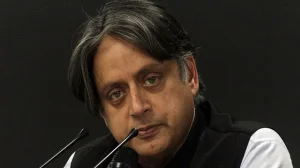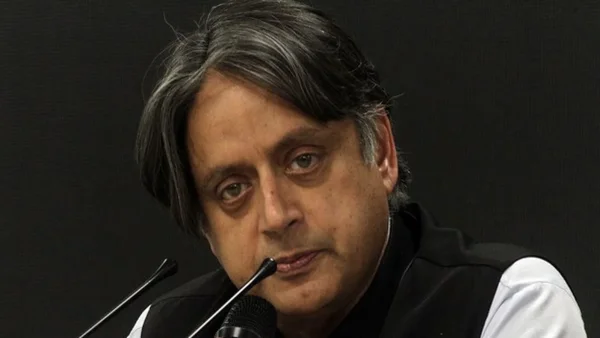
After going to 59 different areas as part of his campaign, Shashi Tharoor (a Congress MP) feels certain the mood of voters is for a change in the state assembly. He’s had a lot of chances to hear what voters think because of all his travel, and his talks with people in the area and with party workers have convinced him the UDF is gaining support for the assembly elections in 2026.
He wants to be clear that what he’s saying is what the public in general thinks, and isn’t a personal criticism of any specific political leaders. Tharoor isn’t trying to attack politicians; he’s trying to tell you how people who were visited feel about the government’s performance.
Anti-incumbency mood driving voter behavior
There’s a very strong feeling among voters that they want a new government, and Tharoor thinks this will be the deciding factor in many voting areas. This feeling comes from a build-up of frustration with the government, with delays and with things not being done as promised, and isn’t just a result of what’s being said during the campaign.
After nearly ten years of the Left Democratic Front (LDF) being in power, it looks like Kerala voters would like to see a change. Tharoor says the election is mostly between the UDF and the LDF, and voters should choose the better options.
Governance issues and project delays highlighted
Tharoor pointed out that the government’s stated schedules for finishing projects and when they actually finish are very different. He mentioned that projects the government said would take five years took ten, and he said these delays show the government isn’t managing things well.
This criticism is about how things are being delivered and carried out, not just political arguments. Tharoor wants to make the argument that how well the government performs should influence how people vote in April, and he’s doing this by showing how delays have real effects.
NRI voting and local turnout dynamics
Tharoor also talked about non-resident Indians (NRIs) and how difficult it has been for them to vote recently. In the past, NRIs would even rent airplanes to get back to vote, but now many can’t do that, so they will have less effect on the outcome.
He says the most important thing will be the many people who live in Kerala and are voting there. The amount of enthusiasm and the number of local voters who actually go to the polls, Tharoor believes, will be what determines which group of parties gets a majority in the 140-seat assembly.
Election calendar and contest expectations
The election for the state Legislative Assembly is on April 9, the votes will be counted on May 4, and the current assembly’s term will end on May 23. The UDF, with Congress as its leader, is trying to remove the CPI(M)-led LDF, who have been in power for about ten years.
Tharoor doesn’t think the national opposition party will have much influence in this state election; he describes them as not being very important. He wants voters to think about the real choice between the LDF and the UDF and to vote for positive change.
In conclusion, as the campaign gets more active in each area, Tharoor is trying to make the election about how the government is run, whether things are getting done, and how unhappy voters are with things as they are. As April 9 and the other important dates get closer, both the UDF and the LDF will try to get the support they are seeing from people into actual seats when voters go to the polls.