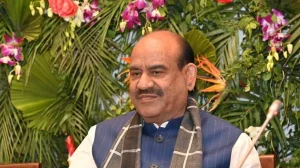
On Tuesday, the Lok Sabha began to debate a resolution to remove Speaker Om Birla, after Jawed officially presented the movement; this started a difficult session of parliamentary work and political argument. More than 50 MPs backed the movement at first, and it was eventually signed by 118 MPs from the Opposition, who accused the Speaker of taking sides.
The movement was allowed, and first steps were taken
Jawed read the notice asking for Birla to be taken out of his position, and BJP MP Jagdambika Pal – who was in charge at the time – allowed the movement to be presented. Pal told MPs to stay with the resolution and said there would be 10 hours for discussion of the matter. Members stood to show support as needed, and the movement was allowed after the lowest number of MPs needed stood up. The Speaker had removed himself from being in charge of the work from the date the notice was given, and the Chair said Birla had been generous in allowing the Opposition to present the resolution.
Opposition claims about Speaker Om Birla
MPs from the Opposition said that Birla clearly showed favouritism while running the business of the House, including not letting the Leader of the Opposition speak. The notice had the signatures of 118 Opposition MPs and accused Birla of acting with partiality in important work. Congress MPs also said Birla made false statements that Opposition women MPs were planning a physical attack on the prime minister. People speaking for the Opposition framed the resolution as a defence of the honour of Parliament, rather than a personal attempt to get back at the Speaker.
Disagreement over who should be in charge during the debate
A key disagreement over procedure came up over who should be in charge while the resolution was debated. AIMIM MP Asaduddin Owaisi raised a point of order, saying parliamentary rules said the Speaker should not be in charge when a movement to take his position away was being thought about. Opposition figures, including KC Venugopal and Saugata Roy, asked the House to choose or agree on a person to be in charge of the debate, saying the Deputy Speaker’s position had been empty for years. They said that having a member of a panel chosen by the Speaker to be in charge of the session made a hole in the constitution and a conflict of interest.
The government’s defence and what BJP leaders said
The party in power rejected the procedural objections as not having any worth. Kiren Rijiju, the Minister for Parliamentary Affairs, and BJP MPs Nishikant Dubey and Ravi Shankar Prasad said a member of the panel of chairpersons could correctly be in charge, and that Pal had full authority while being in the Chair. Union Home Minister Amit Shah joined the exchanges, accusing the Opposition of acting without responsibility even as he joked about interruptions. Pal said the Chair had authority and asked MPs to keep their remarks to the resolution. He also said Birla had willingly chosen not to be in charge during this debate.
What this means, and what to expect next
The debate will be a test of what is normal in Parliament, the role of the panel of chairpersons, and the political determination of both sides. Legal and constitutional arguments will likely be given along with political claims, and speeches from the floor from both BJP and Opposition MPs are expected throughout the 10 hours that have been given. For now, the movement has official standing and a way to move forward through procedure. What happens will matter for what happens in the future regarding the Speaker being held responsible, and for the general tone of parliamentary government, as MPs get ready to give strong arguments and the House decides how to go on within the rules.