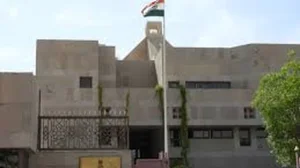
India has again advised its citizens in Iran to stay where they are and not leave their lodging for at least 48 hours because of a deadline the US has given. The embassy in Tehran specifically cautioned Indians to avoid power stations, military installations and to get the embassy’s permission for all travel.
Details of the Embassy advisory
The advice to Indians in Iran is to avoid the top floors of apartment buildings and to stay in places arranged by the embassy unless they’ve gotten definite approval to go somewhere else. They need to carefully plan and get permission to drive on highways and are told to not cross borders without permission.
The emergency phone lines and the embassy’s official email are still working. The embassy wants people to regularly be in touch with the embassy personnel who are in Iran and to only get information from official, trustworthy sources. Everyone is asked to remain calm, and they’ve been assured help is available.
Context of heightened regional tensions
Things in Western Asia have worsened since late February after the US and allies attacked Iranian targets. The situation became even more tense when a US leader gave Iran a firm demand, saying they must reopen the Strait of Hormuz or they could be attacked by the military.
Iran said no to the demand and said they might attack military and economic targets in retaliation. The world situation is changing quickly and if fighting increases, there’s a real danger to everyday buildings, ships carrying goods, and peace in the region.
Indian government response and evacuation efforts
The Ministry of External Affairs says they are watching things very closely and are concentrating on the safety and well-being of Indians in the Gulf and Western Asia. A special team is working with the embassies and Indian state governments to give help as it happens.
About 649,000 people have come back to India from Western Asia since the end of February. The embassy in Tehran helped 1,862 Indians, including students and fishermen who needed to get home quickly, to travel to Armenia and Azerbaijan and then on to India.
Practical safety guidance for Indians in Iran
Indians in Iran should register their details with the embassy or the people working at the consulate and have their ID and travel papers handy. They should avoid big crowds, stay away from essential services like power and water, and only go out for things they absolutely need to do, and after coordinating with the embassy staff.
Get your information from the embassy’s official pages and from confirmed government news, and not from unconfirmed things on social media. Make sure your phone has plenty of charge, save emergency phone numbers, and have a plan for how your family will communicate and how you might get back to India quickly if you are told to.
Implications for regional security and travelers
If there is trouble around the Strait of Hormuz, it could stop ships from traveling and disrupt the oil and energy business and likely cause a larger military response. People traveling or with businesses should expect flights to be cancelled, ports to be slow, and insurance and security to cost more very soon.
Embassies from other countries will probably issue similar warnings, and companies that operate travel and transport will be thinking again about the risks. For anyone in the area, the main thing is to not travel unless it’s necessary, stay in safe places, and do what the consulate tells you.
India is continuing to emphasize the need for cooperation and being ready for anything, while using diplomatic talks to calm the situation. For now, the embassy’s message is straightforward and important: stay put, be safe, and stay in contact with official help until the security situation is better.