Because of a hold up of oil tankers through the Strait of Hormuz, Pakistan has started a ‘smart lockdown’ throughout the country to lessen a developing fuel crisis. This means markets are to be closed at 8 pm and restaurants at 10 pm, with the goal of using less gasoline and keeping essential services working.
Scope of the government order and affected regions
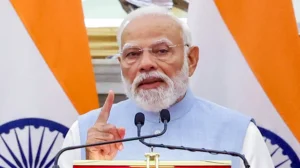
Prime Minister Sharif made this decision after a meeting with leaders of the provinces and ministers from the federal government. These rules are in effect in Punjab, Khyber Pakhtunkhwa, Balochistan, Islamabad, Gilgit-Baltistan and Pakistan-occupied Kashmir.
Most shops, malls and places where businesses are located across the country need to be locked up by 8 pm. Some larger towns in Khyber Pakhtunkhwa can stay open until 9 pm, but most general stores and department stores will close at 8 pm.
Curbs on restaurants, events and social gatherings
Restaurants, bakeries and places that sell food have to shut their doors by 10 pm, as do wedding halls and places for events. Weddings at people’s homes aren’t allowed to go on after 10 pm, because of the desire to not have large groups out in the evening and to reduce fuel use.
Important services are exempt from these rules. Pharmacies and medical supply stores stay open, and police, fire and other emergency services will continue working without change, to make sure people can get medical help and deal with urgent situations during the lockdown.
Energy context: Hormuz disruption and regional impact
This is how Pakistan is responding to Iran stopping ships from moving through the Strait of Hormuz, which is a very important route for crude oil all over the world. This has made world energy supplies tighter and pushed prices up, and is immediately making things hard for countries like Pakistan which have to buy their fuel.
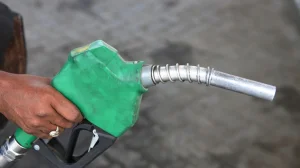
Pakistan is in a much worse situation than some nearby countries. They are now putting limits on when fuel can be used to conserve it, and while they do this, the government is trying to get the fuel supply and delivery of it under control.
Regional responses and comparative measures
Countries nearby have done things in different ways to lessen the impact of the supply problems. India, Nepal and Bangladesh are trying to lessen the effects by quickly getting more fuel, using what they have stored and talking to companies that supply them to keep fuel flowing.
Pakistan deciding on a 'smart lockdown‘ shows they are feeling a much stronger and quicker effect from the shortages and don’t have as much fuel in reserve. The country is dealing with both difficulty getting fuel to where it is needed and with how much fuel people in Pakistan are using, and at the same time they are trying to find solutions through diplomacy and business to lessen the fuel shortage.
Relief measures, enforcement and economic implications
To help people with the costs, the government said public transport will be free for one month in Gilgit and Muzaffarabad, and the federal government will pay for it. Important people like the deputy prime minister and the planning minister were at urgent talks, showing how much the government is cooperating at a high level.
The rules started being enforced right away. Officials went out on Tuesday evening to make sure businesses and people were following them. Officials say these rules are only for a short time and are meant to save energy while allowing the economy and the public to still have what they need.
The 'smart lockdown‘ will have a short-term effect on stores and the hotel/restaurant business that make money in the evenings. The people making policy will have to give specific help to small businesses and workers who are affected by having to close earlier to avoid long-lasting problems.
In the long run, this situation shows how easily Pakistan is affected by changes in the price of energy around the world and how important it is to have lots of different ways to get energy. The government is now under pressure to find other routes for supplies, manage the amount of fuel they have stored, and speed up plans to use less of the fuel that goes through places like the Strait of Hormuz where things can easily be interrupted.