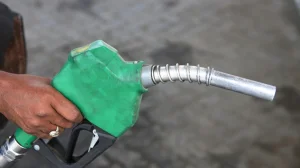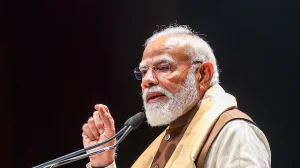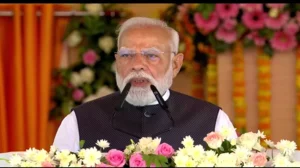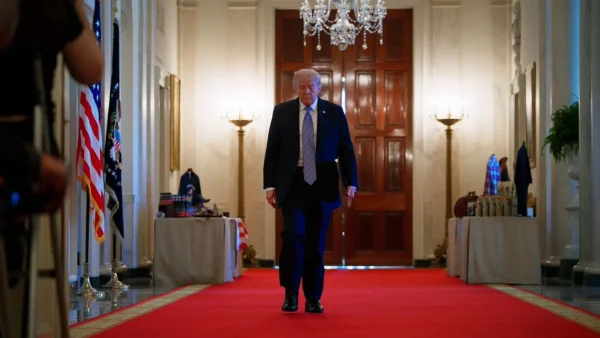
A new political argument is starting up at gas stations across the country. President Trump said on Monday he will try to suspend the federal gas tax to lessen a sudden price increase because of the conflict with Iran, and this will quickly test how the plan works, when it happens, and how much it helps families.
When reporters asked him at the White House, Trump said the suspension would continue “until it’s appropriate.” He said it’s immediate help as the price of energy is hurting people, even though he also said the tax itself isn’
t very large. He believes prices will fall “like a rock” when fighting stops.
Here are the key elements as stated:
– Suspend the federal fuel tax
– Duration: ’till it’s appropriate’
– Intended as consumer relief
Why prices spiked
Since late February, the fighting with Iran has caused fuel prices to go up a lot. The AAA says the average price on Monday was $4.52 for regular gasoline, $5.64 for diesel, and both are about 50% higher than they were in February.
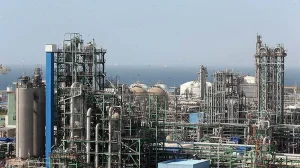
Iran has basically closed the Strait of Hormuz, a very narrow route through which about one-fifth of the world’s oil and natural gas travels. Because of the risk to the supply of oil and gas going through this narrow route, prices at the gas station have increased, and drivers and truckers are now affected by problems in the world.
The pressure at the pump
People are really noticing the high prices at the pump, and many are asking for quick help. This plan to pause the tax is meant to look like something is being done, while the general conditions of the market continue to change quickly.
What a tax pause would change
The US Energy Information Administration says the federal government charges 18.4 cents per gallon in taxes on gasoline and 24.4 cents on diesel. If these were stopped, prices would drop by about 4% based on current prices. Trump agrees this is a small amount: “It’s a small percentage, but you know it’s still money.”
This suspension wouldn’t affect state gas taxes, and the Energy Information Administration says these average 32.61 cents a gallon for gasoline and 34.76 cents for diesel. Because of this, prices will still vary from state to state, and people won’t see the full benefit of the change at their local gas stations.
Short-term relief vs long-term drivers
Lowering taxes can help people pretty quickly, but the real long-term price problem depends on making sure oil and gas are flowing. As long as Hormuz is restricted and the war with Iran goes on, the price of oil and gas before it gets to the gas station will likely be the biggest factor in how much you pay.
Congressional path and timeline
To actually do what he said he would, Trump needs Congress to pass a law. Trump’s Republican party has a very small majority in the Senate and the House of Representatives, so getting enough votes will be very important. His supporters are already trying to decide what will be discussed: Senator Josh Hawley said he would present a bill on Monday.
What could shape the vote
In the House of Representatives, Anna Paulina Luna, a Republican, said she will introduce a similar bill “this week.” How quickly any tax cut could affect people at the pump will depend on when it is discussed, what changes are made in committee, and how big the cut is.
Members of Congress will have to decide whether to give people immediate help or think about what it will mean for the money available for road and transportation projects. The situation is complicated, with people being pressured by higher costs and the unpredictable global supply of oil.
What to watch next
The White House says the help will be connected to the war. Trump said that gas and oil prices will fall “like a rock” when the fighting stops, meaning the world situation is the main thing controlling prices. Until then, stopping the federal tax is being presented as a temporary way to help families.
Key signals to monitor include:
– Whether Congress advances a clean suspension
– Any change at the Strait of Hormuz
– Movement in national average prices