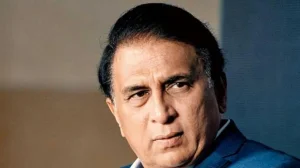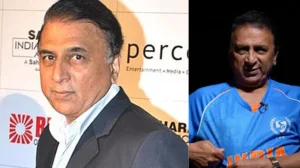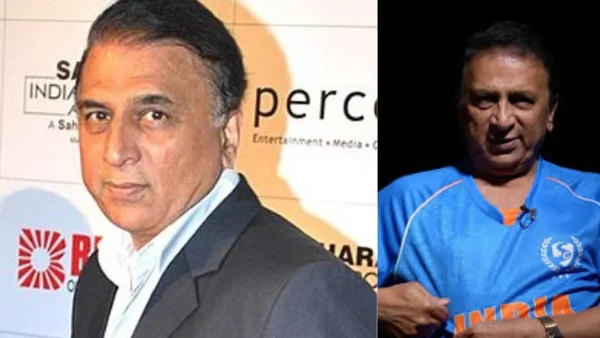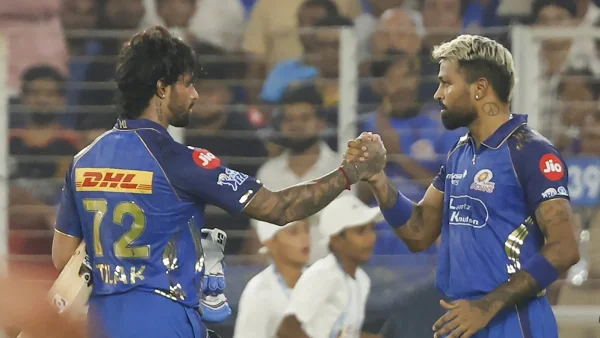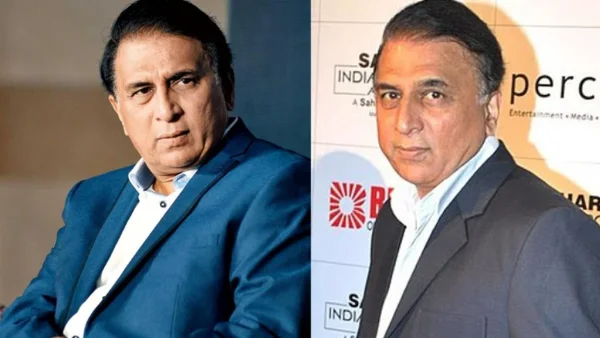
Gavaskar strongly responded to Duckett’s late withdrawal from the IPL in 2026, saying the two-year penalty isn’t enough to stop it. He told the BCCI to start using stricter, more effective punishments to prevent players from pulling out late, which throws team plans and what fans are expecting into chaos.
Details of Ben Duckett’s last-minute withdrawal
Just a few days before the 2026 IPL was to start, Ben Duckett said he wasn’t going to play. Delhi Capitals had bought him for 2 crore rupees (his starting price) and he was supposed to be the opening batter with KL Rahul. Duckett said he wanted to focus on playing for England in Test matches, after doing well in the Ashes series.
This isn’t the first time this has happened. England players have backed out of the IPL before, causing problems for the teams. The BCCI currently gives a two-year ban for players who withdraw for any reason other than injury or a personal emergency, but more and more people are saying this rule doesn’t have much effect.
Sunil Gavaskar’s critique and recommendations for the BCCI
Gavaskar understands players have the right to choose when to play for their country, but he believes the BCCI must have punishments that really do something. He said the two-year ban “clearly isn’t working”, and wants those in charge to think of punishments that will actually affect a player’s ability to play in the IPL again.
He suggested ways to actually cause issues for both the franchises and the players themselves. Gavaskar also wants the team owners to be much tougher on what he sees as players unfairly taking advantage of the IPL’s generosity and opportunities.
Policy options the BCCI could consider
Harsher punishments could include fines, making the team that’s been affected receive money, and stopping players from taking part in other domestic tournaments. The BCCI could also change the auction rules so players who do this repeatedly are punished, or have to wait longer to be able to be in the auction again.
Any new rules must follow contract and legal requirements, and would be best if they were worked out in agreement with other cricket organizations. Having clear things in the contract about last minute withdrawals, a clear way to enforce the rules, and applying them the same way to everyone will make the rules more believable and close any loopholes.
How the decision affects Delhi Capitals and team strategy
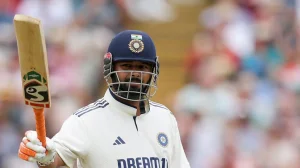
Delhi Capitals now need to rearrange their batting lineup. KL Rahul will still be the main opening batter, and Pathum Nissanka and Prithvi Shaw are both good choices to open with him. Abhishek Porel is another player from within India who could move up the batting order.
The Capitals still have a lot of power in the middle of the innings, with David Miller, Ashutosh Sharma, Tristan Stubbs, and Axar Patel able to either keep the innings steady or speed it up. Their first game is against Lucknow Super Giants on April 1st, and will show how well they’re working together after this late change.
Broader implications for the IPL and international cricket relations
These late withdrawals show a growing problem between franchise leagues like the IPL and the international cricket schedule. Teams spend a lot of money and time getting players and making plans, but players are finding it harder to balance playing in different types of cricket and in many different competitions.
If the BCCI makes its rules stricter, it will likely change how players are bought at auction and what players decide to do. Tougher enforcement could stop players from pulling out just to get a better deal later, make teams more stable, and protect how much the IPL is worth. However, being too strict could lead to lawsuits or bad relationships with other cricket boards if it’s not handled carefully.
Gavaskar is saying we need a sensible solution that allows players to make their own choices, but also protects the IPL teams. Rules that are clear, can be enforced, and have fair punishments would help the IPL stay competitive and successful.
What Sunil Gavaskar thinks is adding to the discussion about this problem that affects the players, the teams, and those who run the IPL. In the next few weeks we’ll find out if the BCCI will change its rules about players pulling out of the IPL late, or if they will continue with the current two-year ban despite it clearly not preventing the issue.