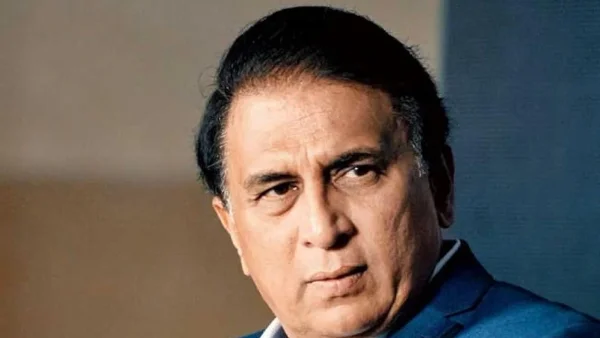
After a lot of discussion, Sunil Gavaskar is explaining his opinions on Sunrisers Leeds signing Abrar Ahmed. The former Indian captain said that Indian owners of teams paying Pakistani players could unintentionally send money to a country that might use the taxes from that money against India. People said he was being a hypocrite because he’d appeared on TV alongside past Pakistani cricketing stars.
Gavaskar’s original critique and its rationale
Gavaskar has criticized the sense in cricket and the ethics of signing Abrar Ahmed. He says that when Indian owners pay Pakistani players, the taxes on that money could end up funding things that will be harmful to people in India. He wrote about it in a newspaper, saying it’s a problem both morally and in terms of countries’ relationships, and urging Indian owners to think about all the possible effects of their choices.
Gavaskar has asked whether it’s worth possibly causing harm just to win a tournament played in a different format than usual. He pointed to how much Abrar Ahmed cost at auction and said owners need to understand the complicated relationships between countries. He’s trying to show how the money side of owning a franchise is tied to what is good for India.
Accusations of double standards from fans and critics
Lots of fans have said that because Gavaskar has worked with Pakistani players in the past, he isn’t being consistent. People have mentioned that he was on a TV panel with great Pakistani players during a big international event. Being on the same panel as them has led people to say he is treating himself differently than others.
Social media made the complaints even louder, with people comparing the money he gets for TV appearances to the money being paid to Pakistani players by the franchise. The discussion moved away from the game itself and became more about what people think of him. Those who disagree with Gavaskar say he’s being picky and making a political point.
Gavaskar’s clarification on payments and contributions
Gavaskar recently said in an interview that being on television with Pakistani players was not a job for which he was paid. He says he didn’t ask for and didn’t receive any money for being on that show. He also said the money from big international tournaments is given to the cricket boards of the countries playing in them by the international cricket organizations, not by Indian owners.
He says he hasn’t given money to any Pakistani players or commentators. Gavaskar continues to say he hasn’t paid Pakistani people for work and isn’t directly giving them money. He insists he is talking about money coming from the owners, not money from appearances or doing promotion.
Responses from coaches and franchises in context
Coaches and team managers have said the Abrar Ahmed signing was about cricket first. They are saying they signed him because of his skill, and it had nothing to do with politics. Many people actually working in professional cricket agree with this, saying you need the strongest team you can get to have a fair competition.
At the same time, it’s been reported that for some years now, Indian-owned teams have not signed Pakistani players. Gavaskar is using this as proof of his argument, saying the opposite situation rarely happens. This shows how difficult it is to balance how good a player is and what people in the country think.
Implications for franchise policy and fan engagement
This situation makes team owners think about checking carefully what is going to happen and the damage to their public image. Teams have to balance how much better a player will make the team with what the public will think and the relationship between countries. Having clear rules could help teams in the future when they buy or transfer players.
For fans, this all shows how much cricket now is about people’s national identity and money. Owners, players and commentators might need to be more open about who is paying whom and what their connections are. As the leagues get bigger and include more countries, this openness will be important for people to have faith in the sport and for it to continue to grow.
What to watch next in the debate
We can expect lots more public discussion about signing players from other countries and how accountable the franchises are. The people in charge of the sport and those who organize the leagues might be put under pressure to clarify the rules about getting players from other countries and how taxes are involved. This could affect how teams decide who to bid for in the next auctions.
Gavaskar hasn’t changed his mind, and owners will have to decide whether to do things differently or to continue to only make decisions based on how good the player is. The discussion will probably continue on social media and in public as fans, officials and players react to both the ethics of the situation and the chances it provides in the current world of franchise cricket.