India is getting ready to quickly increase both its AI infrastructure and the number of skilled workers. Ashwini Vaishnaw, the Union Minister for Electronics and IT, says AI jobs are growing at a rate of 15 to 20% and this growth is being helped by the government incentives which are bringing money into data centers. Vaishnaw said this at the CII Annual Business Summit on Monday, and it’s a strong sign that India is fundamentally changing its plan for the IT industry.
AI hiring accelerates as industry resets
Vaishnaw believes AI-related positions will become much more numerous, estimating a 15-20% increase in them. He did point out that a lot of other parts of the IT industry will need to change, yet AI job creation is already happening.
This change, he says, is affecting the types of skills that companies need. He told companies to work with Nasscom to get people prepared for this new technology.
Policy push: taxes waived and capital flows
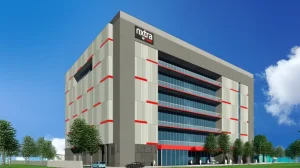
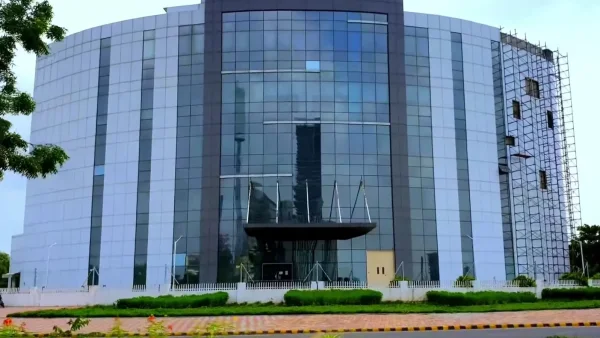
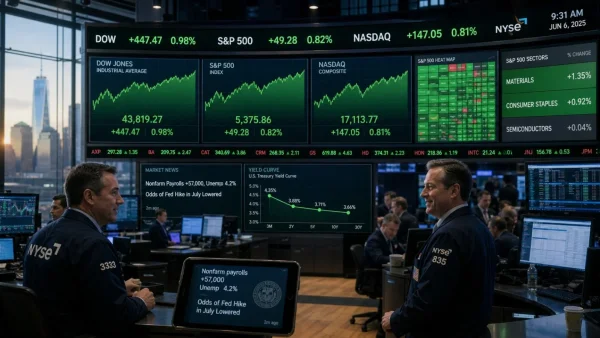
The central government has removed taxes on data centers until 2047, and Vaishnaw connects this to a big increase in interest from investors. He says around $200 billion of investment is coming into the data center industry.
He describes this as the essential foundation for the amount of work AI will require, and believes a country’s digital abilities will determine how well it competes. Because they know the tax situation will remain stable for a long time, companies operating these centers can invest in buildings that will last for many decades and support cloud computing, data analysis, and AI model training.
Here are the policy levers and immediate outcomes the minister highlighted:
– Taxes on data centres waived till 2047
– Investments close to about USD 200 billion
– Momentum building around AI-centric infrastructure
Subsea cables to expand digital backbone
Alongside data centers, India is adding new international digital connections under the sea. Vaishnaw explained that three large underwater cable networks are being created, in addition to the ones that already exist.
One will go from the south coast of India to the Middle East, on to Europe, and eventually to the east coast of the USA. Another will link Visakhapatnam (Vizag) to Australia, and then continue to the USA. The third will go around the Cape of Good Hope and then to the USA.
Vaishnaw says these cables (and more are being planned) will build a large digital infrastructure. He says they’re a significant part of the country’s development in the coming years.
Local hardware manufacturing gains traction
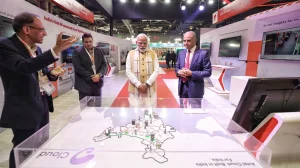
Regarding computing power, HP has begun making AI servers in India, according to the minister. He also added that he’s asked Google and other companies to begin making servers here in India.
If companies move the assembling and manufacturing of servers closer to where they are needed, they can better match their operations with the growing number of data centers. The government is very clear: they want the ability to create more capacity within India to support the next stage of digital expansion.
Skills pipeline and next steps
Vaishnaw asked leaders in the industry to join with Nasscom to expand training programs which match the trends in AI hiring. He stressed that this partnership will allow workers to get the new jobs and quickly help teams get the skills they need.
The minister’s points show a plan for action that connects jobs, infrastructure and manufacturing. As AI hiring goes up 15-20% and money is invested in data centers, underwater cables and server manufacturing, the next big task is to make sure the workforce has the skills it needs, and quickly.
For IT companies, what they need to do to succeed is changing. The companies that quickly use the tax benefits that last until 2047, make use of the new cable capacity, and participate in skills development are likely to be the best positioned to get AI-related work. The government is urging them to get organized now instead of waiting.