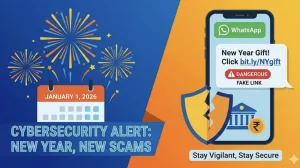
This new WhatsApp trick is testing how strong India’s digital economy is. Criminals are hiding malware as wedding invitations and one mistake by a user can empty their bank account. Those involved with the platform itself, financial technology companies, and banks are at risk of not only having money stolen, but of losing people’s trust when so many are turning to digital methods.
Why this scam matters for the digital economy
As more and more social engineering attacks happen, they hit the point where a user’s belief in a system meets their payment information. Every successful hack increases the cost of customer support, makes it slower for new users to join, and puts more stress on the money available for making sure things are legally compliant. It also means messaging apps and the services that handle payments will be looked at more carefully and will need to improve their security for customers.
We are already seeing the results of this. A business owner in Bengaluru supposedly lost 500,000 rupees after opening a malicious file that came with a WhatsApp wedding invitation. This shows how criminals now use things people are familiar with to blend in.
For those investing in companies, this trend suggests difficulties in running the business smoothly. Teaching customers about security, having controls to stop fraud, and ways to get money back to people who have been scammed will all need more focus. At the same time, companies that sell cybersecurity and efforts to make people more aware of the dangers are likely to be in higher demand as organisations quickly try to fill the security gaps.
Inside the WhatsApp wedding-invite con
The criminals send a message that looks sincere and polite and encourages people to open an attachment that is supposed to be the complete invitation. The file is given a name to seem harmless, often ‘Wedding Invitation.apk’, and it comes from a number you don’t know or from someone in your contacts whose account has been taken over.
Once the APK is installed, the malware can get onto the phone and target your banking details, one-time passwords (OTPs), your list of contacts, messages, and other private data. People often don’t realize their phone has been compromised right away, making it hard to quickly stop the damage.
Reports say the message often uses wedding-related picture symbols with polite wording to make you less suspicious. The attachment looks like a digital greeting card, but is actually a program to quietly get access to your phone.
What users are seeing in real chats
The message typically thanks you for reading, asks for your good wishes, and tells you to download something to see the details. This simple action gives the malware permission to work in the background whilst you think you are just opening an ordinary invitation.
Signals investors and users should track
Cybersecurity experts who have been quoted in reports say these tricks aren’t new, but are appearing more now during wedding season in India. Being familiar with something is a benefit to the attackers; people expect invitations and don’t think about what type of file it is, and APKs are a convenient way to deliver the malware.
The earlier reports of a fake “traffic challenge” scam showed how quickly fraud methods change. This wedding invitation trick is the newest version, and reminds those involved that the kinds of threats that exist move to whatever is currently relevant and believable in the culture.
People in the industry are pointing out that people don’t have enough knowledge about online safety. Sumit Gupta, who co-founded CoinDCX, said people need to understand the difference between JPEGs (picture files) and APKs. This comment shows the main problem: users don’t understand what different types of files are.
What to do now
This is not the moment for complacency. Until platforms and institutions recalibrate safeguards, vigilance remains the first defence. Based on what has been reported, users and families should act on these practical cues:
– Be extremely careful with WhatsApp wedding invitations.
– Do not download APK attachments from messages.
– Verify unknown numbers or unexpected forwards.
– Watch for file names like Wedding Invitation.apk.
– Educate family and elderly users about APK risks.
Another warning from the reports is that criminals sometimes send the message from a contact you do know, whose account has been hacked. You should trust the file type more than the name you recognize; and if you’re unsure, confirm with a phone call.
The case in Bengaluru, with a loss of almost 500,000 rupees, is a first sign of things to come. It shows how emotionally important events are being used as weapons against people. For the whole digital system, the way to move forward is obvious: make things safer by default, reduce the amount of time a system is vulnerable, and teach people to pause before they click.