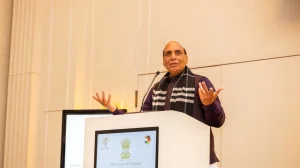
Jaishankar took an active role in Middle Eastern diplomacy by having a long phone conversation with Araghchi on Wednesday. Jaishankar said they looked at many parts of the situation and agreed to stay in touch, because of the urgent nature of the trouble in the area.
India and Iran discuss regional flashpoints
Jaishankar told people on X (formerly Twitter) that Araghchi called him and they talked about many different angles of what’s happening now. He emphasized that both of them agreed to continue communicating frequently as things change.
The Iranian Embassy in New Delhi said the ministers shared their opinions on the newest events regarding a ceasefire, the relationship between Iran and India, and bigger regional and worldwide concerns. The embassy said the conversation covered a lot of ground.
According to official readouts, the conversation focused on the following themes:
– Current situation in West Asia
– Developments related to a ceasefire
– Bilateral relations and regional issues
– International concerns and ongoing diplomacy
Araghchi’s tour and Russia outreach
This call took place after Araghchi visited Pakistan, Oman and Russia; his trip finished on Tuesday. On Monday in Saint Petersburg, he met with Russian President Vladimir Putin, and the Kremlin (the Russian government) again said they support bringing peace to the Middle East. He also spoke with Russian Foreign Minister Sergei Lavrov.
Araghchi wrote on X that he was “happy to talk with Russia at the highest level” since the region is undergoing big changes. He pointed out the “deep and strong” strategic partnership between Iran and Russia and welcomed Russia’s support for using diplomacy.
India’s recent contact with Tehran’s leadership
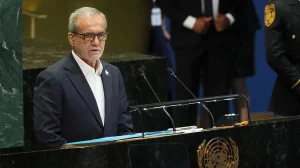
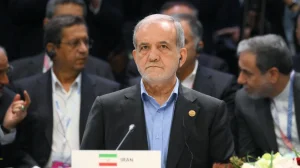
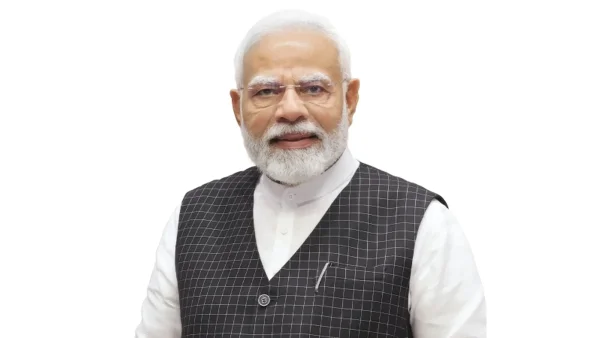
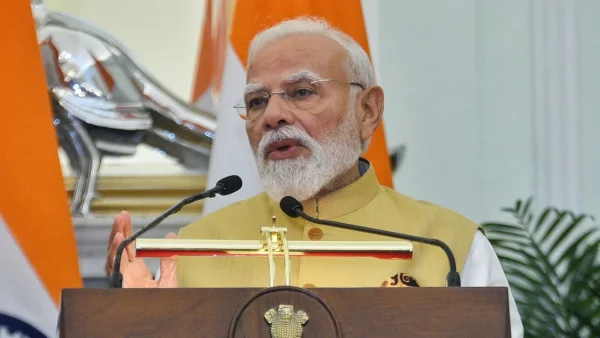
On March and March 12, Prime Minister Narendra Modi spoke with Iranian President Masoud Pezeshkian about the security situation in the region. According to the official statement of the conversation, Modi said attacks on essential facilities are unacceptable, and emphasized the need to protect the freedom of ships to travel, and to keep shipping routes open and safe.
During the March 12 call Modi had expressed worry about increasing tensions, people being killed and injured, and damage to buildings, and said again that India believes problems should be solved by talking and using diplomacy.
US-Iran signals cloud talks
Jaishankar’s conversation with Araghchi happens while the U.S. and Iran are not formally negotiating. The White House has said that people from the US side are still talking to Iranians, who are “having difficulty deciding who is in charge” during the war.
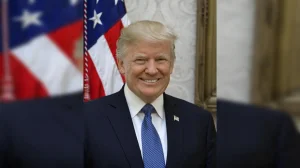
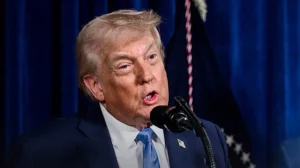
Anna Kelly, a spokesperson for President Donald Trump, said Trump would only agree to a deal that “protects the safety of the United States.” She added that he “has made it clear that Iran must never have a nuclear weapon.”
Trump, on his social media account, said Iran “can’t get organized” and “should start being smarter quickly”, and included a picture of himself carrying a machine gun. He also said Iran is “falling apart” and mentioned requests to “Open the Hormuz Strait”.
Many reports say Iran has offered to stop blocking the Strait of Hormuz if the U.S. stops its blockade and the war ends, and that talks about nuclear weapons would be delayed. Trump doesn’t seem likely to agree to this, and US Secretary of State Marco Rubio appeared to say that any agreement must include the issue of Iran’s nuclear program.
The discussion between Jaishankar and Araghchi, combined with the recent high-level contacts by both New Delhi and Tehran, means India is continuing to be involved in discussions as the Middle East deals with danger and diplomacy. Jaishankar mentioned that both sides will remain in close contact, showing India will continue to use diplomacy in the coming weeks.