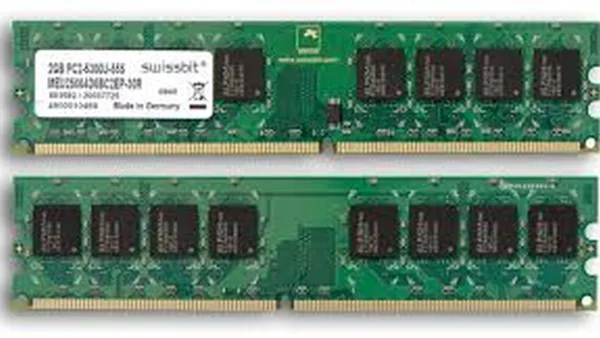
Rising RAM costs – which have been steep since the middle of 2025 – have pulled supply from the regular phone market, as big AI businesses are buying a lot of it. The result is that there isn’t as much RAM available, and it costs buyers more.
How RAM prices rose and why it’s important
Around August 2025, RAM prices started to go up quickly, and have now reached a level people in the business call never-before-seen. The big demand for AI systems and data centres has taken a lot of DRAM – a type of RAM – and sent it to businesses.
When RAM costs more, manufacturers have to either pay the higher bill, take some features out of phones, or raise the price of phones. For lots of brands that don’t make much money on the cheap phones they sell, this is especially bad and really affects how many phones they sell.
How shipments and average prices have been affected
Analyst reports show that Indian phone shipments were about 25% lower both year-on-year and from the previous month in January, which is a big fall that happened at the same time as the RAM price jump. This decrease is due to both not enough supply and people being unwilling to buy when prices go up.
Since September, the average price of a phone in the market has gone up by around 8%, according to people in the business. Higher average prices make it harder for demand to change with price, especially for people who are very careful with money, and can make the usually big market for cheap phones – which helped growth in the past – weaker.
Entry-level brands and the companies that supply parts are under pressure
CLSA said that some phone brands had yearly falls in the number of phones they sold, from about 20% to as much as 68%. Brands that use other companies to put their phones together and get parts from them are hit hard when parts are hard to get or become expensive.
The companies that make the parts, including the main companies that put phones together, might not be able to meet their targets for the year, or grow as much as they’d hoped. The squeeze on parts like RAM at the beginning of the supply chain makes it harder to plan production and can delay new phones being released, or lower how many phones are sent out.
Exports, growth in production, and possible risks
India has become better at making things and is now the second-largest producer of mobile phones in the world. From January to December, phone exports reached about $30.13 billion, and a lot of those exports came from a few big global brands.
This growth in exports could be at risk if the problems with supply continue. Higher costs for parts not only affect prices in India, but can also reduce the price advantage that helped exports grow and attracted global sourcing.
What’s likely to happen and what businesses are doing about it
Analysts think the RAM shortage could last at least until the 2026-27 financial year, meaning the business might face problems for a long time. If this happens, phone makers should get ready for continuing problems with how much stock they have and less profit in the next financial year.
Manufacturers can do a few things: get RAM from a wider range of suppliers, get longer contracts, change their product line to use less of the expensive RAM, and get more parts from companies in India, if they can. Government can help grow the ability to make semiconductors and RAM over the medium term.
What this means for buyers and the market
For buyers, the immediate effect is fewer cheap phones and prices going up for mid-range phones. This could slow down how many first-time buyers get phones, and make people who are careful with money replace their phones less often.
For the whole market, this shows how demand from businesses – especially from AI – can change the supply chains for consumer electronics. The business needs both short-term responses and long-term investment to get stability back and keep the gains that drove India’s rise as a major mobile phone manufacturing centre.