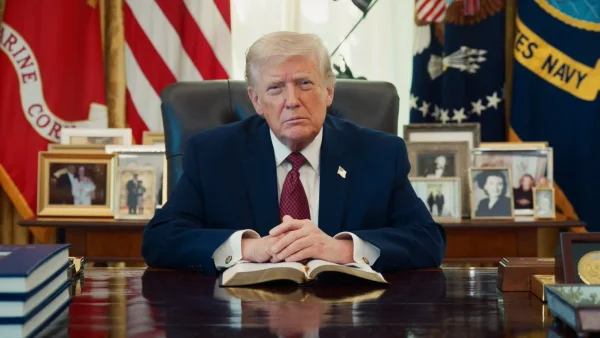
On NBC’s ‘Meet the Press’ Sunday, Trump made the case for a more ‘surgical’ approach to the problem in Lebanon. His comments come at a time when the stakes are higher and there are all sorts of warnings about what happens if Israel goes after the capital, especially with those strikes on the southern side of town in the wake of a ceasefire bid.
In his view, Hezbollah is the thing standing in the way of some stability in the country. “I’d like to see Lebanon have a better life. I’d like to see a more surgical attack on Hezbollah. I think it should be more surgical,” he put it, per the transcript.
What Trump said and why it matters
When you put him on the spot about whether to make Lebanon part of any sort of understanding with Iran, he was plain about it. “No, no.” “Not at all. I’m not demanding,” he said. “I think they’d like to see it, but I’m not demanding.” You won’t find that kind of hard line in Tehran, where they prefer to tie things together.
He didn’t spell out a plan of action. But you can read between the lines: he’s in support of going after specific Hezbollah assets rather than waging a wider campaign. He made this clear after a rather tense phone call with Prime Minister Benjamin Netanyahu about what’s been happening in Lebanon.
Beirut strikes test a fragile truce
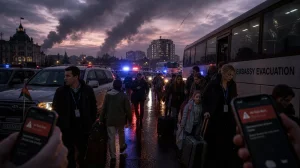
Israel didn’t give much of a heads-up before hitting the southern suburbs of Beirut on Sunday. This was just a few days after a deal was put in place in Washington and in the face of a US ask to leave the capital alone. The PM’s office says it was in response to some fire coming from the north of Israel.
“We are striking them very hard, and we know that Hezbollah is on the run,” is how Netanyahu put it to his Cabinet. They were after “command centers” in some of the more built-up parts of town. For their part, the group has yet to put its name to the earlier incidents.
Human toll and battlefield claims
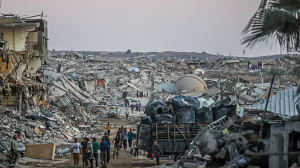
The numbers don’t lie: since the fighting picked up again on March 2, the strikes have left over 3,560 dead and a lot of buildings in ruins. It’s a hard reality that has made for some firm stances, even with diplomats trying to cool things down.
Then you have the other side of the ledger. The army puts the count at 29 of its own and a civilian contractor in Lebanon. There was supposed to be a ceasefire as of April 17 to put an end to the hostilities, but on the ground, it hasn’t been followed to the letter.
Here is where the key players stand as of Sunday:
– Trump is for more surgical hits on Hezbollah
– He’s not making a point of including Lebanon in an Iran deal
– Israel says it hit command centers in Beirut
– A word of caution from Iran on a full-scale war
– The White House has been quiet so far
Regional diplomacy and next steps
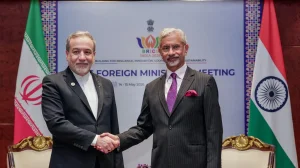
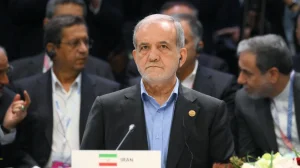
Iran has been saying that an assault on Beirut would mean a return to all-out war in the Mideast. All the while, Pakistan is at it, trying to get some talks going between the two sides. Iran wants to see the war in Lebanon put to rest as part of any deal, which is at odds with the way Trump is looking at it.
A couple of days back, you had Lebanese and Israelis in the same room in Washington to put a new truce on the table. What happens from here-whether it de-escalates with some ‘surgical’ moves or gets worse in spite of it-will come down to who shows restraint and how much pressure the diplomats can put on them.