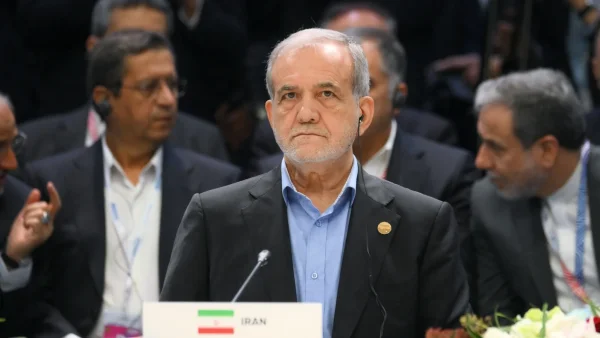
Masoud Pezeshkian, the President of Iran, very strongly criticized Israel for the attacks on Lebanon. He said they are a very obvious breaking of the ceasefire, and could ruin the delicate diplomatic efforts. On X (formerly Twitter), Pezeshkian stated that Iran is still ready to act, and will not leave its allies in Lebanon to fend for themselves.
Ceasefire breach and human toll
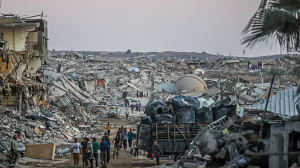
Israel’s military says they hit over 100 places in Lebanon, which they say are connected to Hezbollah. Lebanon says the attacks caused many deaths and injuries: over 250 people have been killed, and more than 1,000 hurt, all since the ceasefire was first in place.
These attacks happened after a short break in the fighting that was worked out to allow for discussions. Lebanon’s government says the strikes are a clear violation of both international and humanitarian law, and they intend to make a formal complaint to the UN Security Council.
Iran’s stance and political signaling
Pezeshkian says the attacks show Israel isn’t being honest and isn’t following the agreement. He believes if attacks continue, there’s no point in having negotiations, and he used very strong words to show Iran is ready to respond if the situation gets worse.
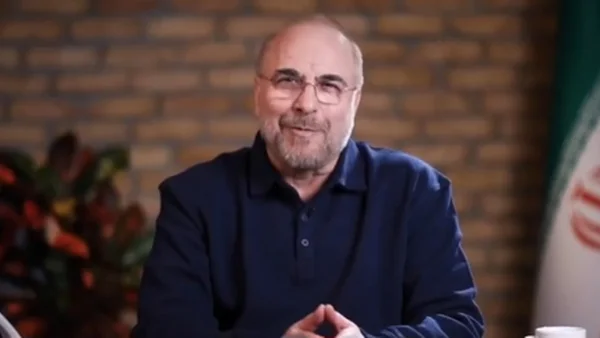
Mohammad-Bagher Ghalibaf, the speaker of the Iranian parliament, gave a similar warning, saying that breaking the ceasefire will definitely have serious consequences and a strong reaction from Iran. These two statements together show that Iran is deliberately sending a message to Israel to try to stop further attacks.
Impact on negotiations and regional diplomacy
The ceasefire was meant to last for two weeks as part of a deal between the US and Iran, so there would be a chance for talks. The talks are supposed to start with Pakistan acting as a mediator in Islamabad, with the aim of preventing another large scale conflict.
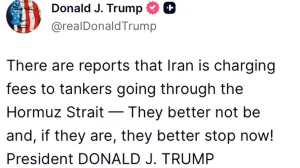
A major part of the ceasefire agreement is that the Strait of Hormuz will be opened for shipping, and that ships will be able to pass through safely. If fighting continues, trust between those involved will be damaged and the talks could be stopped before they even begin.
Risk of escalation and regional consequences
Israel’s Prime Minister Benjamin Netanyahu has described the ceasefire as fragile, and said Israel still has the right to start attacking again if they don’t achieve their aims. He also said the ceasefire doesn’t include Hezbollah, meaning Israel intends to continue operations against that group.
Because of Israel’s position and Iran’s promise to support Lebanon, there’s a greater chance of a bigger conflict. Both sides have said they are ready to do something, and the way things are going could pull in other countries and groups that aren’t governments into the fighting.
International legal and diplomatic responses
Lebanon is going to take its complaint to the UN Security Council, saying the attacks broke the accepted rules of international behaviour. Filing a formal complaint could lead to more diplomatic pressure, and a discussion about what to do to enforce the rules or to impose punishments.
Diplomats now need to deal with the immediate crisis, but also think about the long-term goals. For mediation to be successful, there need to be strong promises that can be believed, ways to check that the promises are being kept, and rewards to encourage everyone to stay at the negotiating table.
Outlook and what to watch next
In the short term, people should watch to see if the attacks continue and if the talks planned in Islamabad happen as expected. Any more violations of the ceasefire will make positions stronger and make it harder to reopen shipping lanes and get things to calm down.
In the longer term, this incident shows how easily temporary agreements can fall apart in a region that is already full of tension. Keeping the ceasefire going will require a lot of self-control from all sides, good communication, and involvement from the international community to lower the chance of fighting starting again.