The hot situation in Gaza has once again tested the fragile ceasefire between Israel and Hamas. In response to events that have elevated tensions in the region, the Israeli Premier Benjamin Netanyahu ordered immediate and “powerful strikes” to be launched against Gaza. This has come as Israel accuses Hamas of breaching the ceasefire talks, which were brokered by the United States.
The ceasefire which started on 10 October is yet to be seen through significant attacks. The removal of hosts’ remains was allowed, and the subsequent discussions were to consider disarmament and security arrangements in Gaza. However, the returns to hostage remains have foundered, with Israel accusing Hamas of deliberately delaying the process. Given that the handover of body parts did not constitute the remains of any of the 13 missing hostages, Prime Minister Netanyahu denounced it as a clear violation of the truce by Hamas. According to him, those remains belonged to Ofir Tzarfati, who had already been recovered by Israeli forces.
-Hamas escalating the situation by firing on Israeli forces in southern Gaza. Israel then retaliated with strikes against Hamas infrastructure. Such responses underscore the fragile nature of this ceasefire and cast doubts upon its possibilities of survival.
The Fragility of Peace
The ceasefire initially was like a silver lining amid the dark storm of violence; however, instances such as these attest to the fragility of that peace. Both sides have leveled accusations against each other for violations. The stakes are still too high, with each incident threatening to pull back all progress made so far.
Israel wants to secure against any threat. In fact, Israel faces pressure from the right-winged factions of the government, demanding that it take a more aggressive position towards Hamas. Against whom they see an ongoing threat, Security Minister Itamar Ben-Gvir and Finance Minister Bezalel Smotrich have called loudly for Israeli action.
Meanwhile, according to Hamas, the bombardments by Israel have severed contact with some sections that were holding captives, thus rendering the swift recovery and return of all hostage remains more challenging.
International Implications
A ceasefire of unquestionable nature is crucial not only for Israel and Palestine but also for peace and stability at large in the region. The United States has played an operative truce-creating role and is, hence, intent on averting any escalation toward a relapse into conflict. The officials of the United States have insisted on following what takes place, along with seeing that they respect the commitment on either side.
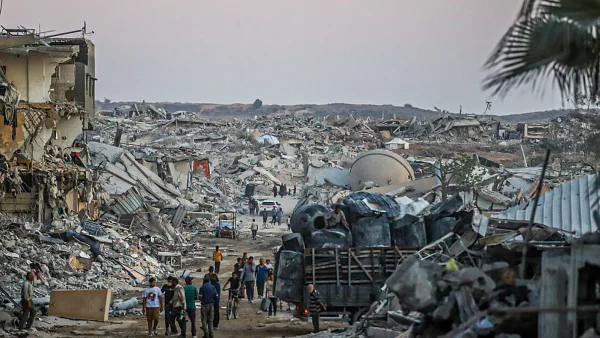
Egypt has intervened by way of dispatching experts and equipment for assisting the recovery of hostages’ bodies amid the immense destruction in Gaza. Such international involvement reflects a deeper interest worldwide in conserving peace and stability in this volatile region.
A Humanitarian Viewpoint
Behind the political maneuvers and considerations lies a great humanitarian challenge. Its shape and nature have swept away life and population in Gaza. The Gaza Health Ministry states that over 68,500 Palestinians had perished in the two years of war, a figure contested by Israel but held by international agencies to be generally reliable.
For many families, the slow return of the bodies of their loved ones is a dolorous occasion. Tzarfati’s family even had to reopen his grave several times due to misidentifications-really heartbreaking proof of the cost still being paid on humanity for this conflict.
Looking Ahead
Tensions continue to simmer and threats of war loom over the region, and the way ahead remains uncertain. The ceasefire can be made into peace-making if both parties come into it sincerely. Yet, this will require political will and active willingness from international stakeholders to foster dialogue and finding resolve.
Navigating these stormy waters, leaders must envisage not just national interests but also humanitarian concerns honoring those ravaged yet most by the long dreadful conflict. This would be the hope for a peaceful avenue where Israelis and Palestinians can live without fear or hostility.
The recent orders mark an ominous moment for Netanyahu-one that may either consolidate peace or throw the region back into chaos. Hence every decision now weighs heavy as it forges the road for peace efforts in one of the most vexing geopolitical terrains.