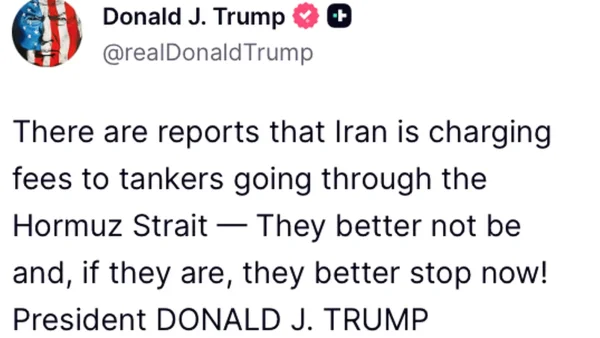
Trump very strongly warned Iran after it was said that Tehran might be charging ships for using the Strait of Hormuz. He said, “That is not the agreement we have,” which shows there is growing conflict over the right of ships to carry oil and the easily broken truce that has been trying to prevent a wider war in the area.
Allegations Over Strait of Hormuz Transit
The reports that Iran is charging ships for oil have been criticized quickly by Trump and others who are concerned about the world’s supply of energy. Because the Strait of Hormuz is a very important, narrow passage for the world’s oil shipments, anything that stops or slows them down could suddenly and significantly affect the markets and the routes ships use.
Trump said Iran is doing a "very poor job” letting oil through and told Tehran to stop if the reports are correct. What he said puts even more strain on a very fragile agreement that is meant to keep ships moving during a period of tense ceasefire.
Ceasefire Agreement Strains and Disputes
This argument is happening at a time when the ceasefire is very unstable and the different sides have different understandings of it. Tehran claims the ceasefire includes fighting that affects Lebanon, but the United States and Israel don’t agree with this. This difference in opinion could cause the short pause in fighting to end and makes it harder to have diplomatic discussions.
As discussions are planned to start again in Islamabad, the differing ways of defining the ceasefire increase the risk. Because of the uncertainty about where the ceasefire applies and what is allowed, things could quickly get much worse if one side thinks the other is breaking it.
Israeli Position on Lebanon and Hezbollah
Leaders in Israel have said plainly that “there is no ceasefire in Lebanon” and have promised to continue their military actions against Hezbollah. They are saying that the attacks are necessary to make Israel secure again and to weaken Hezbollah, which they see as a dangerous armed group on Israel’s northern border.
However, Israel has also indicated it is willing to have direct talks with Lebanon with the goal of disarming Hezbollah and achieving a long-lasting peace treaty. These ambitions would have a large effect on the political and security situations throughout the region.
Diplomatic Channels and Negotiation Prospects
Diplomacy is still the main way to lower tensions, but because the goals of the countries involved are different, progress is limited. Both Washington and Tehran have shown some interest in structured talks, but disagreements about how to interpret the ceasefire terms are slowing things down.
If Israel and Lebanon were to have direct negotiations, it could greatly change the situation in the region. For this to be successful, they would need ways to make sure the agreement is followed, promises from outside countries, and a clear plan for Hezbollah to give up its weapons that both sides would be willing to follow.
Economic and Security Implications of Disrupted Transit
If anything interrupts the flow of ships through the Strait of Hormuz, it would immediately create economic problems. Oil prices could go up, and it would cost more to insure ships. The world’s economies react quickly to news from this region, and delays to shipping can have a large effect on the whole supply chain.
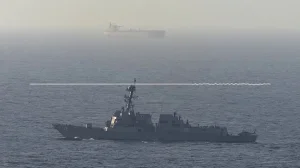
If Iran does start charging a fee or making it harder for ships to pass, there would likely be more naval patrols and ships would travel in groups for protection. These kinds of actions often cause countries to show off their military strength and make it harder to avoid conflict between the different countries and international groups in the area.
Outlook and Strategic Considerations
Right now, the ceasefire is very shaky as diplomatic groups get ready for talks in Islamabad. All the countries involved have reasons to prevent a larger war, but they don’t trust each other very much. Being clear in what is said and having an outside group to watch what happens could help to keep the original intention of the ceasefire.
People in government should be looking at whether Tehran will say exactly what its plans are for charging ships and whether Israel and Lebanon will start working towards a way to have direct talks. How these things develop will decide how secure the world’s energy supply will be in the near future, and how stable the eastern Mediterranean and Gulf areas will be.