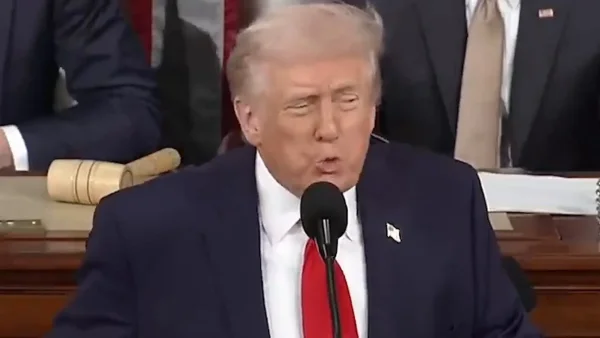
Even as the US and its allies in the Gulf are trying to get the UN to threaten Iran with sanctions, the fact that the US has stopped accompanying ships through the Strait of Hormuz has made the US-Israel-Iran situation even more serious. Trump said that the stopping of the ship escorts was a planned move to allow for possible deals, and he claimed “great progress” had been made. At the same time, keeping the blockade in place is continuing the economic pressure on Iran, and shows that the US won’t give up its advantage while talking with Iran.
UN push zeroes in on freedom of navigation
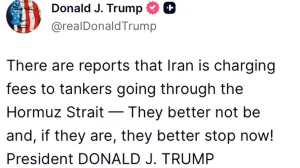
The US, working with its Gulf partners, is trying to get the UN to warn Iran that it will face sanctions or other punishments unless it stops attacking ships. People in the US and the region say the UN document also asks Iran to stop charging what they consider “illegal fees” for ships going through the area, and to give a full list of all the mines that have been laid, so ships can move safely.
In brief, the draft underscores these demands:
– Halt attacks on commercial ships
– Stop imposing ‘illegal tolls’
– Disclose placement of all mines
Iran disagrees with the US version of events and has said there will be problems if the pressure continues. But at the same time, officials in Tehran have indicated they are still willing to use diplomacy as part of their plan, showing they want to appear strong while still being open to talks.
The UN action that’s being suggested is intended to prevent further problems at the Strait of Hormuz, which is incredibly important for the world’s energy and trade. It also outlines what Iran needs to do, according to its allies, to make sea routes safe.
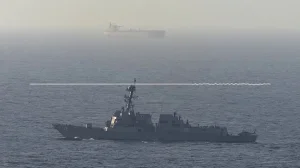
US Secretary of State Marco Rubio has said that the recent ship escort efforts were purely to defend ships. He said the US would rather have “peace,” and argued that the Strait of Hormuz needs to be reopened for things to be stable. Although they previously helped ships that were stuck, only a few were able to go through, and many shipping companies are still avoiding the area.
China’s growing role and a planned Trump visit
Abbas Araghchi, the Iranian Foreign Minister, met with Wang Yi, the Chinese Foreign Minister, in Beijing. This was the first time this has happened since the current problems began. This meeting shows how much more important China is becoming, as it has economic ties with Iran and needs energy from the Middle East.
China and Russia have both urged Iran to continue talking with the US, and Iran is actually strengthening its relationship with both of them. The way these countries are acting diplomatically suggests they are becoming a force against US power, and China is carefully managing its relationships with all parties so it has options no matter how the conflict turns out.
Trump is planning to go to China on May t4th and and 15th to have talks with the Chinese leaders. The meeting, which was delayed because of US military activity in Iran, will show how well China can manage its careful approach of pushing Iran towards negotiations while remaining vague about its own position.
Hormuz remains a global flashpoint
Problems in the Strait of Hormuz have caused oil prices to rise and have made ship schedules more difficult. Some ships are still delayed, and many companies are avoiding the route altogether. Even a small amount of disruption to this waterway has a huge effect on the economy, because before the current situation, it carried oil, gas and petroleum products.
Iran’s virtual closing of the Strait of Hormuz has given them a lot of power, as the US is demanding that Iran significantly reduce its controversial nuclear program. Reports of drones and missiles around the Gulf have increased worries about things getting worse, and have made the diplomatic efforts more urgent.
In a previous discussion about his approach to Iran, Trump said he wanted Iran’s financial system to collapse, and believed that an economic downfall would give the US more power. This more aggressive position is different from the current pause in escorts, but is similar to the continuing blockade and the pressure from the UN.
What comes next
The first thing to see is whether the pause in the ship escorts will lead to a specific agreement with Iran, and stop further attacks on ships. The UN is trying to set out what will happen if Iran doesn’t follow the rules, but without completely ending the possibility of talks.
If China uses its connection to Iran, it’s possible that things will begin to calm down in a practical way. But with the blockade still in place and the risks to shipping still present, the economic and security problems caused by the conflict will continue to be the main issues. At the moment, the Strait of Hormuz is both something to be bargained with, and a place where fighting is happening.