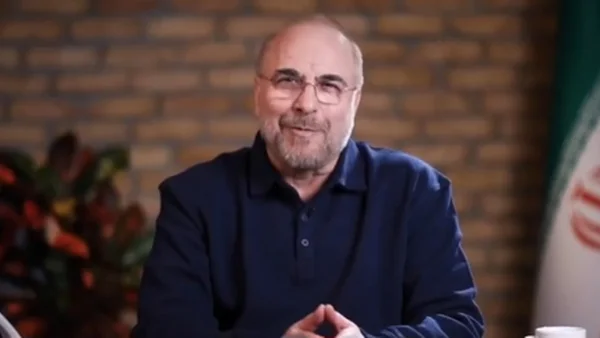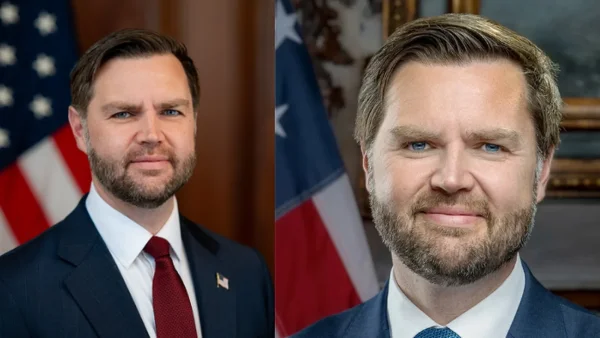
JD Vance is going to Pakistan to start talks with Iran to try and save the easily broken ceasefire. This is the Biden administration’s biggest diplomatic attempt to resolve the conflict with Iran since it began February 28th and puts a Vice President who doubts war right in the middle of things.
Vance will be in Islamabad on Friday with a group from the US, and he’s trying to prevent a return to open fighting. The White House hasn’t said if the talks will be directly with Iran, or through another country, which shows how uncertain and fragile the whole situation is.
It’s interesting that Vance was chosen for this. He’s been against getting involved in military conflicts in other countries and has warned against staying in them forever. He was a Marine in Iraq, served two years as a Senator, and doesn’t have a lot of experience as a diplomat.
However, this is a rare opportunity for the US to have high level contact with Tehran. Since the 1979 Islamic Revolution, direct conversations have been limited. A clear example of when the US and Iran did talk directly was in 2013 when President Barack Obama had a phone conversation with Iranian President Hassan Rouhani about Iran’s nuclear program.
Vance said he asked to be involved because he thinks he can help. This fits with what people already know about him – he questions getting involved in things, but is willing to take responsibility during a very unstable time.
A fragile ceasefire with competing red lines
The ceasefire that was announced this week was already showing problems almost immediately. Iran says the ceasefire must include Israel stopping its actions in Lebanon. Donald Trump and Israeli Prime Minister Benjamin Netanyahu say what’s happening in Lebanon isn’t part of the ceasefire and will go on.
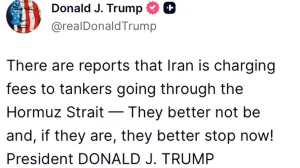
The US is also telling Iran to reopen the Strait of Hormuz to ships carrying goods. Iran closed this extremely important waterway after Israel began attacking Hezbollah in Lebanon with increased force. Trump said on social media that Iran is ‘doing a very poor job’ allowing tankers through and added, ‘That is not the agreement we have!’
The ceasefire is only for two weeks, which isn’t very long considering how many things the two sides disagree about. Both sides have demands they won’t change, and these are tied to military, political, and economic pressures on many different levels.
If the ceasefire fails, the conflict could expand rapidly. Israel’s military activity in Lebanon, Iran’s connections to groups with armed fighters, and the US’s promises to defend others create a very dangerous situation. The talks in Pakistan are intended to slow down this downward spiral and find a way for everyone to calm down.
Energy and regional security implications
The Strait of Hormuz is one of the most vital routes in the world for oil and gas tankers. Even a small interruption to shipping there can cause problems for energy markets, damage the way goods are delivered worldwide, and increase prices for consumers even those far from the Middle East.
Opening the Strait of Hormuz would reduce the stress on companies that insure ships, the shipping companies themselves, and those who import goods. But Iran will likely want guarantees of its own safety or changes related to Lebanon and how sanctions are enforced, making a quick and easy solution difficult.
Who is around the table
Joining Vance will be special envoy Steve Witkoff and Jared Kushner. Kushner has already had three rounds of indirect conversations with Iranian officials before the war. These earlier talks were about Iran’s nuclear and missile programs and the groups they support with weapons and money. Anna Kelly, speaking for the White House, said Secretary of State Marco Rubio has been involved in the discussions and people from the National Security Council, the State Department, and the Pentagon will give help. The administration hasn’t said if experts in nuclear issues or technical things will be with the group going to negotiations.
Previously, Democrats and some experts had questioned if Kushner and Witkoff had enough specialized knowledge during talks before the war. Because the White House isn’t saying who is on the current team, it’s unclear how the negotiating group will deal with checking if Iran is following the agreement, making sure they do, and how the sanctions will work.
Tehran might like Vance’s doubts about getting involved in other countries’ conflicts, making him a more acceptable person to talk to. Jonathan Schanzer, who used to work at the Treasury Department, said Vance’s position could appeal to Iran, but he cautioned that the Vice President has never negotiated at this important of a level. He said, “This is as important as it possibly can be.”
Stakes for Vance and the 2028 political horizon
This assignment quickly moves Vance from someone in the background to a main negotiator. It’s also politically risky. Many people consider Vance and Rubio as leading Republicans for the 2028 election, although both have avoided saying for sure if they will run.
Because he’s Vice President, Vance will automatically be connected to anything this administration does if he does decide to run for President. Taking the lead in these talks will only strengthen that connection. Joel Goldstein, who studies the Vice Presidency, said that if things go badly, people will blame Vance, but if things go well, he can claim the success.
People who know Vance’s advisors say he isn’t approaching the talks based on political calculation. However, everything he does while traveling will have an effect at home, and people and the financial markets will be looking for signs that tensions will decrease and the economy will become more stable.
What a workable deal could include
A long-lasting agreement will have to quickly calm down the most dangerous situations and create rules that can be enforced. Several things will likely be the main focus of the talks: opening the Strait of Hormuz again in stages, specifically defining the boundaries of what Israel is doing in Lebanon, and ways to reduce the activities of groups used by Iran to act on its behalf.
The United States will insist on being able to verify limits on Iran’s nuclear and missile programs, even if these are only as short-term ways to build trust. Iran will want the economic pressure on them to be lessened, and a promise that temporary actions don’t become permanent restrictions unless they get something in return.
How things are verified and in what order they happen will be central. At the beginning, inspections, watching the sea, and guarantees from other countries could be important. Specific timeframes and ways to quickly reinstate sanctions might help both sides be able to agree to compromises and stop breaking the agreement during the ceasefire.
Ways to solve disagreements will be as important as what’s in the news. A direct phone line or a joint team that can clarify the details of the agreement in real time could prevent the kind of immediate failure that happened after the truce was announced.
The difficulties are obvious. The two weeks of the ceasefire are already going by, people are still saying very strong things publicly, and there’s a huge difference between what Iran and the United States/Israel think. Trump’s team says the President will only agree to a deal that “benefits America the most.”
That position doesn’t allow for much in the way of symbolic concessions. But the alternative is fighting starting again, the possibility of things getting worse in Lebanon, and a continued problem in the Strait of Hormuz which could damage the world economy.
Vance will need thoroughness, patience and a good grasp of the technical details to succeed. He will also need everyone involved to focus on reducing tensions immediately, instead of aiming for the most ambitious possible final outcome.
A narrow window and a long road
The meetings in Islamabad will show if a Vice President who has often questioned going to war can actually help end one. The ceasefire is fragile, but a limited opening for diplomacy still exists. What happens in the next few days will decide if that opening remains.