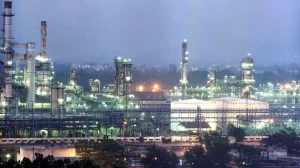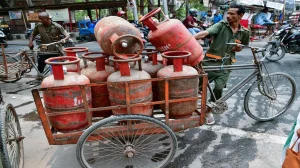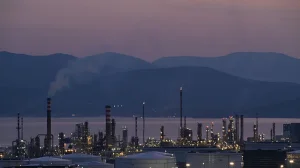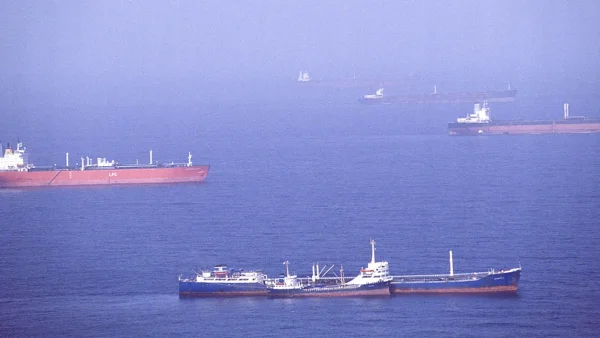
On Thursday, the US tried to cut off Iran’s funding, specifically sanctioning Iraq’s deputy oil minister for supposedly taking oil that should have gone to the Iraqi government and sending it to Tehran and groups that support Iran. This action against illegal oil money makes things harder for Iraq to manage its oil industry and affects oil markets which are already easily disturbed by problems around the Strait of Hormuz.
Sanctions tighten financial squeeze on Iran-aligned networks
The US Treasury Department said that Ali Maarij Al-Bahadly, Iraq’s deputy oil minister, used his position to allow oil to be taken and sold to help the Iranian government and groups in Iraq that are allied with Iran.
Treasury also said three leaders of Iran-backed militias, Kata’ib Sayyid Al-Shuhada and Asa’ib Ahl Al-Haq, are also being sanctioned; the Treasury Department connects their illegal oil business to providing money for groups doing fighting in the area.
The measures carry immediate legal and financial consequences:
– Freeze any US-based assets of those targeted
– Bar Americans from dealing with them
– Target leaders of Kata’ib Sayyid Al-Shuhada
– Target leaders of Asa’ib Ahl Al-Haq
Treasury Secretary Scott Bessent said the Treasury Department won’t just watch while Iran uses Iraqi oil for military actions and to fund terrorism against the US and its allies. The department says this is a direct attempt to stop the flow of money that supports operations Iran backs.
Implications for Iraq’s energy governance
The fact that the US is sanctioning a current deputy oil minister shows the danger to Iraq’s government jobs if people in those positions are accused of allowing oil to be sold secretly. Besides the legal problems for the people involved, it points out weaknesses in checking things that could cause the government to lose money and have the country’s resources used to finance conflicts in the region.
Tensions at sea and across the region
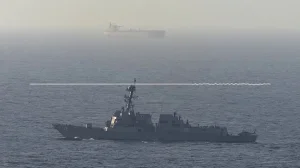
These sanctions are happening as part of a bigger disagreement. The war that started with the United States and Israel in late February led to Iran attacking across Western Asia and creating a blockade of the Strait of Hormuz, which made the world’s energy markets nervous.
Because ships are having trouble using the usual routes, these latest moves by Washington are another way to put pressure on Iran. They are meant to limit Iran’s ability to give money to its allies, while the situation with security is still unstable.
Markets respond amid talk of diplomacy
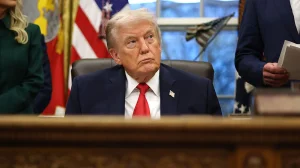
Even though US President Donald Trump is hopeful about talks with Iran, Iran has not responded to a new plan from the US. In fact, Iran’s main negotiator said Washington is trying to force Iran to “give up.”
After Trump stopped a quick military action to reopen the Strait of Hormuz, hoping for a deal, there were a few initial positive signs. The stock market welcomed the pause: the S&P t00 and Nasdaq both reached all-time highs, Tokyo’s Nikkei index went up sharply, and oil prices didn’t go down as much as they had during the week, all because people hoped the war would end with an agreement.
Violence in Lebanon underscores wider risk
However, conflict is continuing in other places as well. On Wednesday, Israel attacked the southern parts of Beirut for the first time in nearly a month, killing a high-ranking commander from Hezbollah’s elite Radwan force, according to someone connected to the group.
Lebanon’s health ministry reported at least 11 deaths from strikes in the south and east of the country. The Israeli military said on Thursday that an explosive drone had hurt four of their soldiers in southern Lebanon the day before, and one of them was seriously injured.
Public sentiment inside Iran
In Tehran, people don’t have a lot of faith in the government. Azadeh, a 43-year-old resident, expressed worry about any deal with the current leaders. She said, “We’ve been through so much trouble and pain, and haven’t gotten anything for the people?” and “I really just hope this government ends.”
By focusing on the suspected illegal diversion of oil money, the United States has shown it will continue to closely examine the financial support for Iran’s network of influence in the region. The effects of this will be seen not only in the courts and by people making sure companies follow the rules, but also in how the energy markets and countries in the region react in the coming days.