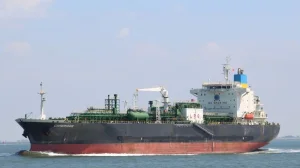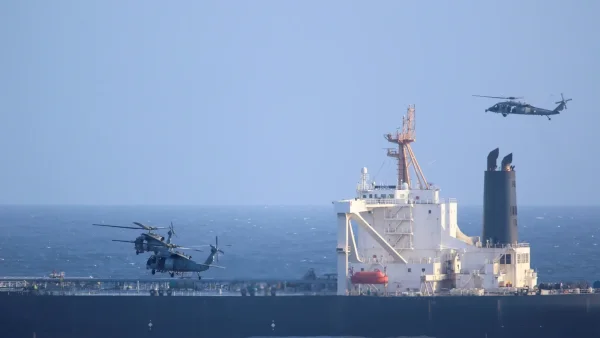
It was an overnight job, but US forces have now boarded a vessel in the Indian Ocean that they say was carrying Iranian product. The move is part of a sterner approach to policing the high seas. The Indo-Pacific Command has put out photos and a video to make no bones about what was done to the MT DAVINA.
What happened in the Indian Ocean
The military puts it down to a right-of-visit boarding in the INDOPACOM zone. They call the ship stateless, which is a label that tends to open you up to a closer look under the law of the sea.
You can see our people making their way on to the ship in the footage we’ve put up. The command is on record for being after the maritime networks it says are in cahoots with Iran.
Here is what the US military is trying to make of it:
– We will be on top of the networks moving sanctioned oil
– Any vessel that gives Iran a hand will be interdicted, no matter where
– Our enforcement in the world’s oceans is not going to let up
Why the tanker mattered
In the eyes of US authorities, the Davina has been in trouble before. The Treasury put a sanction on the supertanker in 2024 for shipping oil from Iran to China. Calling it stateless only ratchets up the stakes when it comes to how the military handles it.
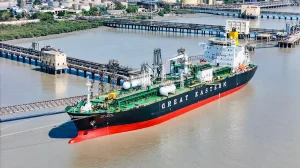
It is a big ship. We are talking about a capacity of two million barrels of crude. As of June 5, it was off the coast of Sri Lanka, according to what we have been told.
Status of the vessel
This was a right-of-visit, the kind of thing you do when you have questions about a ship. Pointing to the fact that the Davina is stateless is what gave the officials their leg up to board and have a look around in international waters.
Sanctions and enforcement context
Washington is not mincing words: they plan to keep a lid on the flow of Iranian oil. The command has said it will go after any vessel that is of material support to Iran, and it won’t be held back by where they are.
Their line is: ‘International waters cannot be used as a shield by sanctioned actors. The Department of War will continue to deny illicit actors and their vessels freedom of maneuver in the maritime domain.’ And they mean it. Interdictions are to be a global affair.
Rising tension on energy routes
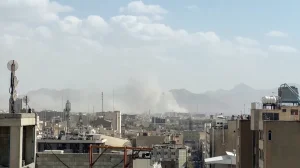
All of this is happening in a part of the world that is already on edge. Ever since the war in the Middle East got under way on February 28 with US and Israeli strikes on Tehran, the IRGC has put in place something of a blockade in the Strait of Hormuz. The US put one of its own in place back in April.
It is the link between the Gulf and the Indian Ocean and a hot spot in times of trouble. Pre-war, the Strait was home to a fifth of the world’s crude and LNG. You don’t want to tangle with that.
What comes next
Indo-Pacific has made it known there will be more of the same. They are set to ‘disrupt illicit networks and interdict vessels providing material support to Iran, wherever they operate.’ With the Davina in the news, we will be watching for word on what happens with the next ones.
If you are in the shipping or energy business, the takeaway is obvious. Sanctions are being put to work on the open water, and if you are hauled for Iranian crude, your chances of being stopped in international waters are higher than ever.