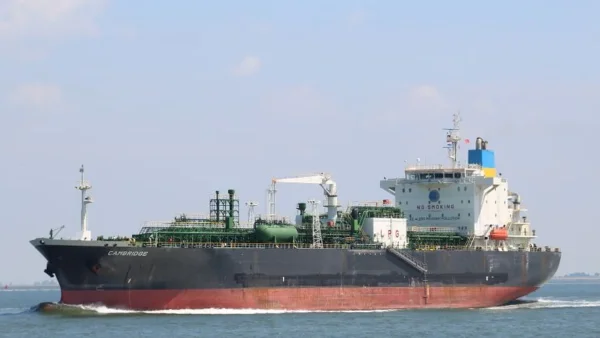
After the United States said it would increase naval control around Iranian ports, at least fifteen ships flying the Indian flag are now located to the west of the Strait of Hormuz. This group of ships includes those carrying liquefied natural gas and liquefied petroleum gas, crude oil tankers, container ships, a dredger, and a chemical tanker, and they’re all delayed because much less shipping is happening.
Overview of the situation
These delays happened because talks for a ceasefire failed and the U.S. declared that it would enforce naval control around Iranian ports in the Arabian Gulf and Gulf of Oman. After the U.S. made that announcement, ship traffic slowed down dramatically; tracking data shows a sudden decrease in the number of ships going through this important waterway.
U.S. officials say this order is meant to stop ships going to or from Iranian ports, but ships that aren’t Iranian and are carrying goods for normal business will still be allowed to pass. Iranian leaders have said they will retaliate, which could make things even more dangerous in the already unstable waters.
Which Indian vessels are affected
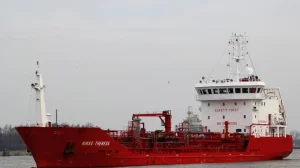
The ships that are stuck are a variety of types, showing the many kinds of goods that go through the Strait of Hormuz. They include ships that carry liquefied natural gas and petroleum, crude oil tankers, container ships, a dredger, and a chemical tanker.
The LPG tanker Jag Vikram is one ship that did move. It went through the Strait on April 11 and went to Mumbai with a military escort. Jag Vikram is carrying about 20,400 tonnes of LPG, has 24 people working on it, and was being watched as it entered the Arabian Sea; it’s expected to arrive in Mumbai on April 15.
Notable movements and naval response
India has very visibly positioned naval forces to protect its goods being transported by sea. Six Indian warships are currently near the Persian Gulf to help with communication, watching what’s happening, and giving advice to commercial ships on how to get through safely.
Officials say they are continuing to watch and escort ships as they normally would. India is also sharing information about what’s happening on the sea in real time with about 28 other countries to understand the situation and lessen the dangers to commercial shipping.
Implications for global energy and trade
Because around 25% of the world’s oil that is carried by sea goes through the Strait of Hormuz, anything that interrupts this flow immediately affects the world’s energy markets. Delays and ships having to go a different way make the cost of shipping goods go up, put pressure on insurance companies, and can make oil and gas prices fluctuate.
There have recently been more security problems in the area, and reports say several ships have been targeted in separate incidents. This highlights how quickly political issues in the region can turn into problems for the economy and the supply of goods.
Diplomacy and coordination efforts
New Delhi is talking directly with Tehran and sharing intelligence with many countries to make it easier for goods to pass through. Officials say there isn’t a single agreement, and that the negotiations have been about dealing with each situation specifically.
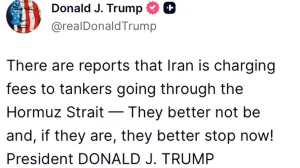
Washington says its naval actions are about stopping shipments that are connected to Iranian ports, while Tehran says its responses are a country’s right to defend itself. Until the political issues are resolved, shipping companies and organizations in charge of sea routes will have to pay close attention to advice and have plans for what to do if things go wrong.
What’s likely to happen: authorities will continue to monitor and provide escorts for ships each day, trying to keep interruptions to business as small as possible. Right now, governments and shipping companies need to communicate well, continue to have ships from the navy in the area, and use diplomatic channels to avoid a worsening of the situation that would have even bigger effects on the world’s energy and trade.