An official with a European Union naval operation stated that ships in the Gulf got VHF radio warnings from the IRGC, saying they might not be allowed to go through the Strait of Hormuz. People in charge of shipping and the companies that run the ships said they’d gotten similar messages, but Iranian officials haven’t publicly said anything about a real order to close the strait.
Why the Strait of Hormuz Matters
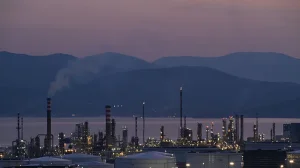
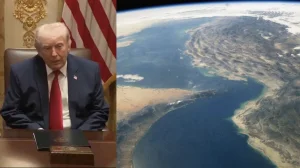
The Strait of Hormuz is one of the most important spots in the world for shipping, connecting the Persian Gulf to the Gulf of Oman and the Arabian Sea. In 2024, about one-fifth of all the world’s oil went through this strait; a similar amount of shipments of liquefied natural gas also used this route.
The big oil-producing countries in the Gulf – Saudi Arabia, Iran, Iraq and the United Arab Emirates – need to use it to get their oil to buyers, particularly in Asia. A sudden stop to shipping could change prices for crude oil, the cost of shipping insurance, and the world’s supply chains in just a few hours.
What Ships are Saying and First Reactions
According to shipping companies and an official from the EU Aspides mission, ships in the Arabian Gulf have reported getting messages that the strait was closed. UK Maritime Trade Operations also logged a number of ship reports of warnings about a closure – causing quick worry throughout the shipping world.
However, Tehran has not yet made an official, public announcement to close the waterway. Iran has made similar threats in the past when there were conflicts, and these current warnings have made traders and insurance companies more careful, even though no official order has been given.
Recent Fighting That Has Made Things Worse
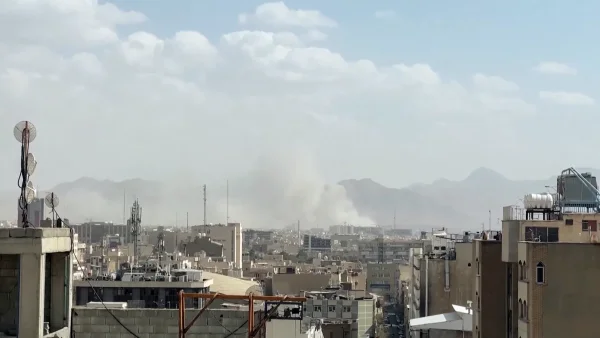
Things got worse after attacks – which people said were done by foreign powers – hit places where Iranian leaders were, causing Iran to launch missile strikes against Israel and Gulf countries that have US military bases. Iranian military commanders promised to respond even more, and regional air defenses said they’d stopped missiles coming in.
The US government said the strikes were meant to get rid of security risks and to stop Iran from building nuclear weapons; they asked for the situation to calm down but told Iran to back off. Iranian officials spoke out against the attacks and warned of even stronger responses, making the political problems between countries even bigger.
How the Economy and Markets Might Be Affected
If the strait were to close for a long time, or actually close, it would have a big effect on energy markets around the world. Traders would probably raise the price of crude oil, there could be less oil available on the spot market, and shipping would cost more as insurance companies increased rates for ships going through the area.
Even though Saudi Arabia and the UAE have some extra pipeline ability and other ways to export oil, these can only deal with a small part of the oil that comes from the Gulf. Most buyers in Asia depend a lot on oil that is shipped by sea through Hormuz, so even a short break in supply would put a strain on how much is available and how much people want to buy.
Where the Strait Is, Who Controls It, and How Iran Can Use Its Military
The strait gets down to about 30 miles wide and is not very deep in places, making it easier to stop ships with the navy, or to use mines and missiles. A number of islands near the main shipping routes are under Iranian control – including Hormuz, Qeshm and Larak – which gives Tehran more power in a battle.
The IRGC Navy regularly runs operations in the Gulf and has run into foreign warships before. Its presence, along with Iran’s missile batteries on the coast and the islands it controls, gives Iran an advantage over the commercial ships that go through.
What To Keep An Eye On, and What Governments Are Doing
Markets and governments will see whether Iran makes a formal announcement about closing the strait, or if the warnings are limited to radio messages. We can expect warnings to ships, possible changes to routes, and more navy ships from allied countries to escort commercial ships as quick steps to protect them.
In the long run, how unstable energy markets are, diplomatic efforts to calm the conflict, and plans made by the big countries that buy oil will affect what happens. At the moment, the balance between the warnings from ships, the military showing off its strength, and the risk to the world economy will decide how big and how long the effect on oil supply and trade will be.