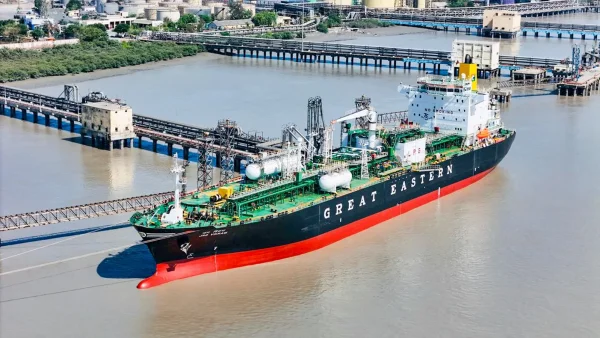
The new body will be handing out real-time updates as it makes its presence felt. For global energy logistics, that is no small matter, especially with the United States having its own naval operations aimed at Iranian ports.
You can see the effect in the markets, which have been ruffled by Tehran’s hard line. Since the US and Israel made their strikes on February 28, Iran has for the most part put an end to shipping. The US has put up a naval cordon on Iranian ports in return. A kind of ceasefire has held since April 8, but things at sea haven’t gone back to normal.
What is the Persian Gulf Strait Authority?
On May 6, the Supreme National Security Council in Iran made the PGSA official and then, on Monday, let it be known they would be providing day-to-day operational news. “We will be sharing real-time updates on #Hormuz_Strait operations and the latest,” the council put in a post.
What exactly the authority is allowed to do hasn’t been spelled out. Ebrahim Azizi, at the head of the parliament’s security commission, says they have a “professional mechanism” to handle the strait’s traffic and it will be shown to the world in due course. But for now, the details on scope and how it will work with other maritime agencies are up in the air.
Tolls, traffic control and new rules
Tehran has made it clear: if you want to go through, you pay. They say they’ve already seen some of that come in from last month. In good times, this is where a fifth of the world’s oil and LNG, not to mention fertiliser and the like, make their way. But Iran has been saying we won’t be seeing pre-war levels of activity any time soon.
One of our own broadcasters called the new set-up a means of “exercising sovereignty”. They say vessels are being sent down a list of “regulations” by email. How those are put into practice, or how they sit with the rest of the world’s rules of the road, is still to be seen.
Signals from Tehran and military posts
There is also the messaging to consider. The security council has been touting the PGSA’s account, vowing to keep mariners and onlookers in the loop. The Revolutionary Guards have put out the same word. It is a sign of a unified front when it comes to controlling the story, the traffic, and any new edicts.
Why control of Hormuz matters now
Put it this way: 20 per cent of the world’s energy runs through here. Introduce a fee or a delay and you’re looking at rerouted ships, higher insurance and a hit to prices. So what Iran is doing has repercussions well outside the Gulf.
With the US putting pressure on from the sea, the situation is a standoff that makes it hard to plan. For anyone in the trade, it is as important to know what the PGSA is going to do as it is to watch the security picture.
What to watch next
For now, there are still some blanks to fill in. Shippers and the rest of the market will be watching to see how the new authority makes itself known. The first thing to see is whether they can deliver on the promise of consistent, real-time information to help you get around. Until we know, the strait is a tight squeeze, and a nudge from either side could have an outsize impact on the rest of the world.
Key markers to monitor include:
– The first detailed PGSA operating procedures
– Any expansion of toll collections
– Frequency of real-time maritime advisories
– Evidence of emailed regulations being enforced
– Changes to US naval posture around Iranian ports