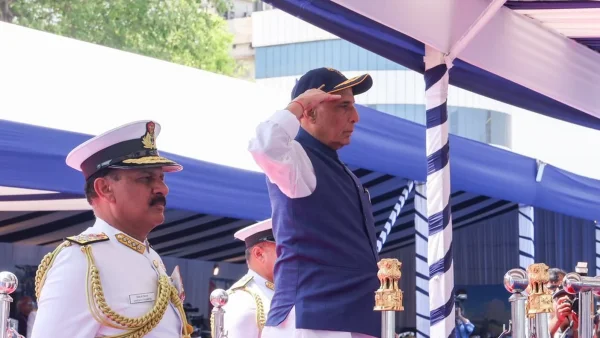
Singh emphasized the Navy’s important job of keeping commercial ships and oil tankers safe while launching INS Taragiri in Visakhapatnam. Because 95% of India’s trade, including the important energy we need, travels by sea, keeping things safe on the ocean is central to the country being stable and the economy growing.
Indian Navy and the protection of trade routes
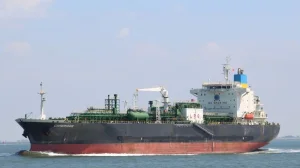
Singh was very clear: India needs a strong navy, it’s not something we can do without. Problems and stoppages with oil tankers in the Middle East, because of tensions in that area, recently showed how easily worldwide shipping can be disrupted.
When the Navy is visibly present, political leaders and those who plan for maritime issues see it as calming and as something that keeps shipping lanes open. By constantly patrolling and providing security for ships, the chance of interruptions to trade is lowered, and we can more easily rely on a consistent flow of energy and goods.
Strategic presence across the Indian Ocean region
Singh pointed out the Navy is consistently in the Indian Ocean, from the Persian Gulf to the Malacca Strait. These important passageways handle a lot of the world’s shipping, and they need to be watched all the time to stop threats and make sure ships can get through safely.
Having ships and people in these areas allows for early warnings of problems, a quick reaction when something happens, and control of the sea. The Navy being in these forward positions also shows India is serious about protecting our own and the region’s interests in the ocean.
Modernization, deterrence, and national ambition
The launch of INS Taragiri is part of continuing work to make the navy more modern and able to operate further away. Singh connected sea power to our overall plans for development, and said a strong navy is the foundation of any real plan for India to be a developed country by and including 2047.
Building surface ships, improving how we watch things, and spending money on logistics all make us more able to discourage attacks and to recover from problems. A navy that is able to do its job gives confidence to businesses that are involved in shipping, and gives the government choices to protect our citizens and shipping routes in other countries.
Operational measures and maritime cooperation
The Navy actually does things like accompany convoys of ships, patrol the seas, share intelligence, and do searches and rescues. These activities lower the risks to merchant ships and oil tankers, and help to ensure a steady supply of fuel and other goods for people in India.
Working with other countries and with the companies that operate ships makes the Navy even more effective. Joint training exercises, exchanging information and ships visiting each other’s ports improves our understanding of what’s happening and how to respond to things like piracy, blockades or new threats.
Implications for energy security and trade resilience
Having a steady supply of oil and gas that comes by sea is vital to our energy security. A navy that can protect the key sea routes where these things are transported reduces the chances of sudden changes in the market or shortages that would affect the whole economy.
Those making government policy have to choose between investing now in making the Navy more modern and improving the infrastructure for shipping, or being willing to take on a bigger risk to the economy. Singh’s statements make it clear that investing in sea power is a key strategy to protect trade, help the economy grow and defend India’s independence.
The main point of the launch of INS Taragiri was simple: India believes that security at sea is a key part of its economic and strategic future. Keeping commercial ships and oil tankers safe is a very practical need as the country deals with a complicated area and tries to reach its long-term goals for development.