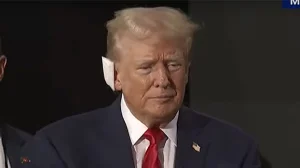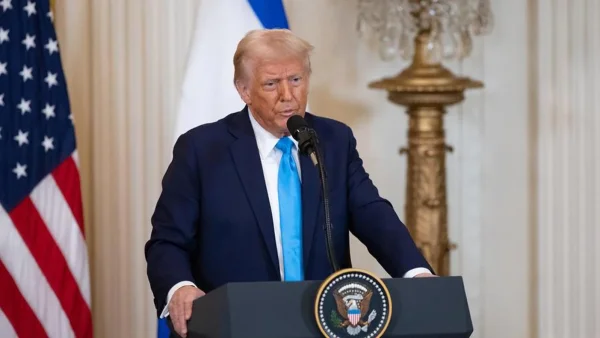
On Friday evening, Trump was very blunt when talking about what happened. He said they took the ship, the cargo on it, and the oil, and then said, “We are like pirates. We are sort of like pirates but we are not playing games.”
Trump’s remark and context
Stopping ships at sea is a key part of Washington’s plan. The way he said it, and the idea that they’re making money from the seized carg
He connected this to a ship being taken “a few days ago,” emphasizino, immediately got people’s attention.
Seizures and blockades at sea
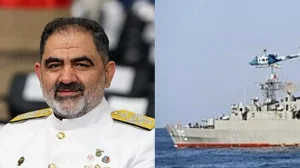
Trump says U.S. forces are seizing ships after they leave Iran, including container ships that are under sanctions and Iranian oil tankers in Asia. He has also ordered a blockade specifically of Iranian ports, making it harder for Iran to ship goods.
Iran is doing something similar. Since the fighting started, they have blocked almost all ships from going through the Strait of Hormuz, only allowing their own. These two blockades have made the situation in this very important waterway even more difficult.
Hormuz choke point and oil markets
Around 20 percent of the world’s oil and liquefied natural gas is shipped through the Strait of Hormuz. Because the flow of goods through it has been disrupted by the conflict, the price of oil has gone up. Both sides restricting access continues to put a lot of stress on this route, which could cause problems for the world’s energy supply.
The seizing of ships and what Iran is doing in response are also increasing the risks to all commercial shipping. People who trade and companies that insure ships are watching closely for more ships to be stopped, for routes to change, and for delays as these enforcement actions continue.
Human and regional toll of the conflict
According to reports, attacks by the U.S. and Israel within Iran, and attacks by Israel in Lebanon, have resulted in thousands of deaths and millions of people being forced to leave their homes. Iran’s attacks on Israel and on Gulf countries where the U.S. has military bases have expanded the area where fighting is happening and made the region even more unstable.
Key developments since late February include the following:
– The US and Israel attacked Iran on 28 February
– Iran struck Israel and Gulf states hosting US bases
– Israeli attacks in Lebanon escalated alongside strikes on Iran
– Iran restricted foreign shipping in the Strait of Hormuz
Because the war has spread, it’s harder to find ways to stop it, and there’s a greater risk of mistakes being made that make things worse. It’s also caused more focus on keeping shipping safe at sea, where a problem can quickly become a much bigger one.
Domestic backlash and legal concerns
Trump hasn’t been consistent with when he thinks the war will end or what he wants to happen. He is also unpopular in the United States. He’s been criticized for what he’s said about the conflict, including a threat last month to completely destroy Iranian culture.
Last month, many experts in the U.S. said the U.S. strikes on Iran could be considered war crimes, after Trump threatened to target things that civilians use. Their warnings are making people think more carefully about the legality and morality of the military action and the rules being followed.
What to watch next
Right now, people are looking at how the naval blockade will be carried out and if access to the Strait of Hormuz will change. Any change will probably affect oil prices and how goods are shipped in the near future.
What Washington and Tehran say in the coming days will make their goals and limits more clear. But for now, Trump’s comparison to “pirates” has put operations at sea at the center of a war that’s already dramatically changing the region.