This isn’t just a superficial change, it’s a fundamental shift. Vedanta will be redrawn as companies that each focus on their particular industry, with more defined strategies, careful control of spending, and clearer ways to grow. Each of these individual businesses is meant to directly compete with the biggest companies in its field, rather than being part of one huge, sprawling group.
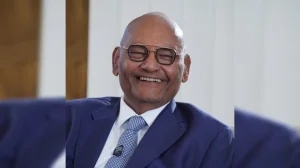
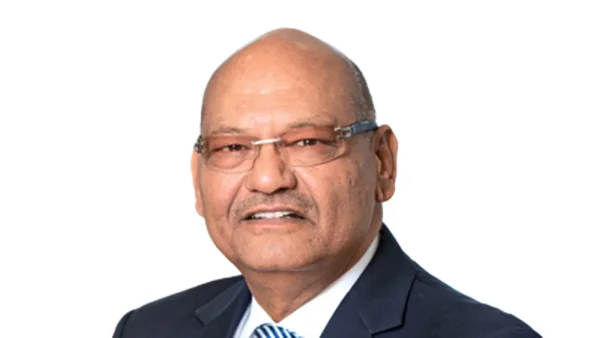
Agarwal describes this restructuring as a way to improve how efficiently and competitively the company operates. They intend to put money into businesses that can grow on their own, become the lowest-cost producer, and bring in money quickly, and technology and artificial intelligence will support this.
In his note, Agarwal emphasised three priorities:
– Sharper strategic direction across sector-specific companies
– Cost leadership and technology adoption to lift productivity
– Capital discipline and cash generation to fund growth
The main company will still include Hindustan Zinc, copper and minerals that are critically important. By separating the parts of the business that need a lot of money to get going from the parts that consistently produce income, Vedanta hopes to make decisions faster and get rid of the delays and costs that come with a very diverse company.
Financial momentum sets the backdrop
The timing of this split is deliberate. Vedanta says 2026 was their best year ever, with the highest profit and income and good returns for shareholders. Having this strong financial position will give the new, separate companies confidence as they expand.
For the three months to the end of March, total profit went up 92% from the year before, from 3,483 crore to 6,698 crore rupees. Income from what they do went up 47% to 24,609 crore rupees (compared to 16,686 crore rupees a year earlier). This strong financial position is the foundation for the next phase of building and expansion.
How each vertical is being tooled for scale
The oil and gas side of the business is expected to drive a big increase in how much is produced. Agarwal says they want to get 300,000 to 500,000 barrels of oil a day, and they’re planning to spend $5 billion on finding more oil and improving how they get it out of the ground. The goal is to increase oil production within the country and get more out of existing oil fields.
Aluminum is going to be increased dramatically. Vedanta wants to double its capacity to 60 lakh tonnes a year, and by controlling all steps of production and being as efficient as possible, they aim to be the lowest-cost aluminum producer in the world. They think demand for aluminum will increase from many areas including building and roads, cars, airplanes and the move to electric power.
Vedanta plans to increase steel production from 40 lakh tonnes to 100 lakh tonnes a year. They will concentrate on ‘green’ (environmentally friendly) and special types of steel, with a secure supply of materials and all parts of the process working together. This is intended to increase profit margins and meet the demand for higher-quality steel.
Power supplies the energy for growth and changing to new ways of doing things. Currently Vedanta has 4.2 GW (Gigawatts) of power and has another 12 GW planned, and the power business is looking to grow to 12 GW. This includes adding hydroelectric and nuclear power alongside traditional power plants, making the energy supply more reliable as it changes.
What Agarwal told shareholders
Agarwal says splitting the company is a crucial step to get more value from it by creating separate, first-rate companies. He says each business will be able to compete globally, grow independently, and be as good as the best in the world, with clearer strategies, careful spending, and different ways to grow.
He has promised to spend 15,000 crore rupees on growing the business. Combined with improved debt levels, a focus on being the lowest-cost producer, using technology and increasing income, the company aims to take advantage of long-term demand for things like building and roads, the shift to cleaner energy and manufacturing.
What to watch next
Now the company needs to do it. Investors will watch how and when the split happens, how the money is spent on building and expanding and how quickly oil and gas, aluminum, power and steel production increase. How much profit is made for each amount of money invested and how the costs compare to competitors will be the most important measures of success.
If these plans work, Vedanta will be seen less as one complicated group and more as a collection of leading companies in their own area. With the split due to be completed on May 1, 2026, the next twelve months will show how quickly these individual parts can grow, compete with the world’s best and consistently deliver value.