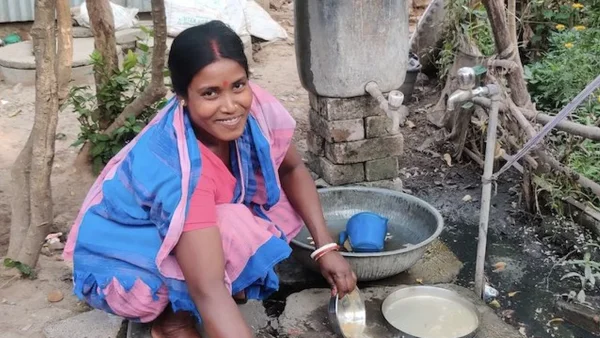
Kalita Majhi, who used to work as a housekeeper in Guskara, now being an MLA shows just how much Bengal’s politics has changed, and in what ways. When the Bharatiya Janata Party won by a large amount, Kalita Majhi’s win in Ausgram became a symbol of getting people involved at the ground level and therefore changing who is in a position of power.
Her victory really highlights the change in who is being represented. This woman who used to clean and cook in people’s homes now has power in the government. To people who are unhappy with the same old ways of doing things in politics, her story showed that understanding and sharing in people’s daily difficulties is more important than having a prestigious background.
Kalita Majhi’s rise and mandate
The official vote count says Kalita Majhi received 107,692 votes and won against Shyama Prasanna Lohar by 12,535 votes. Even though the BJP had given her the nomination again after she had lost in and to Abhedananda Thander in 2021 by 11,815 votes, they thought her strong ties to the local community were more valuable than the usual political experience.
Before she got into politics, she worked as a housekeeper in four different homes. People say she made between 2,500 and 4,500 rupees a month (however much that is, the point is) and it’s clear that her becoming a candidate came from her own experiences, not from knowing the right people on the inside.
The core figures shaping this story are:
– 1,07,692 votes polled by Majhi
– 12,535 votes as the winning margin
– 11,815 votes as her 2021 loss margin
– 206 BJP seats in a 294-member House
– 81 seats won by TMC
BJP’s sweep and the reshaped map
The party now has 206 seats in the 294-seat Assembly, which is more than two-thirds of the total, and this has ended the Trinamool Congress’s 15 years of being in charge. Because of the result, the BJP has broken into the last big stronghold in the east of the country that had been resisting their growth nationally.
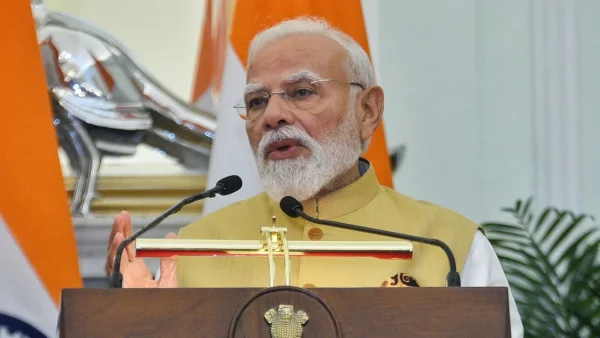
This win has effects across the country. This is the first time since 1972 that West Bengal will be governed by the same party that is in charge of the national government. Prime Minister Narendra Modi said the result – he described as the ‘Lotus blooming in West Bengal’ – happened because of good organization and reaching out to people.
Blow to Trinamool leadership
In a shocking loss, Mamata Banerjee, the current Chief Minister, lost her seat in Bhabanipur to Suvendu Adhikari of the BJP. This adds to the feeling of the BJP gaining momentum. She claimed there were problems with the voting in many areas and said the Trinamool Congress will recover, but the results showed they had lost support in many places.
The TMC won 81 seats. The way these seats were won shows a much bigger change in politics than just the usual shift when people get tired of the current government. It also makes it harder for the opposing parties to work out what to say and who should lead, now that the political situation is so different.
From kitchens to constituency work
Kalita Majhi, who is 37 and lives in Guskara Municipality, has spent over twenty years working in homes in the area. She says her mornings started at 5 am, as she had multiple jobs and her mother-in-law helped with things at home. These routines of working hard were the most important part of what she said during her campaign.
What made her campaign special is that it wasn’t like a typical campaign. Being known and liked in the local area, instead of being highly visible, was what won people over. By election day, this genuineness had turned into votes and overcame her loss in 2021.
Why this win matters beyond one seat
The BJP's progress in Bengal has been gradual: they were only getting a few votes in 2011, were a strong opponent in 2021, and now are the ruling party. The 2026 outcome demonstrates a strengthening of their position. Within this overall trend, Kalita Majhi’s victory is a good example of how parties can turn being trusted by the community into official power.
The real challenge now is to govern. The people who voted a housekeeper into the Assembly will expect results, not just a nice symbol. And for politics in Bengal, the message is even clearer: being connected to how people actually live can overturn long-held power structures, one area at a time.