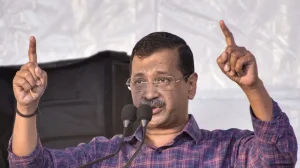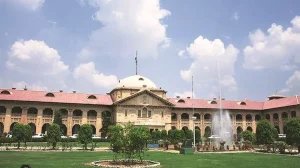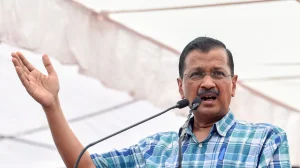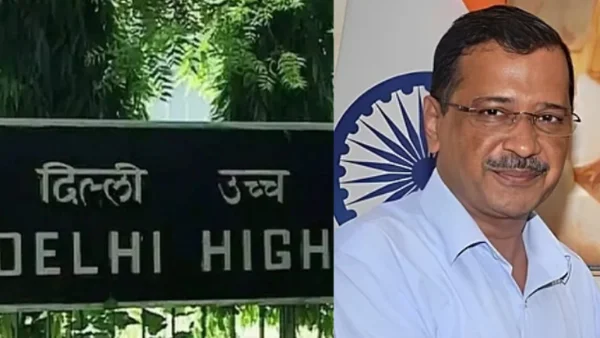
The Delhi High Court is moving forward with the case without Kejriwal, Sisodia and Pathak because they are boycotting it. The court has said it will have three senior advocates as amicus curiae to allow the arguments to continue despite the fact the leaders aren’t there.
Why the court is stepping in
Justice Swarana Kanta Sharma is dealing with the CBI's appeal against the trial court's decision to say the leaders had no case to answer. Because the people accused aren’t showing up in court, the judge indicated she’ll officially appoint the amicus curiae on Friday and then listen to the CBI’s arguments about the actual details of the case.
An amicus curiae is a highly skilled lawyer who isn’t involved in the case itself. Courts ask for their help to clarify things, examine arguments, and be sure the evidence is fairly and independently judged.
How the case reached this flashpoint
On February 27th, the trial court said Kejriwal, Sisodia and 21 other people didn’t have a case to answer. The judge said the prosecution’s arguments couldn’t withstand being checked in court and had been proven false, and that the CBI’s evidence didn’t even suggest a case at a first glance.
The CBI is appealing this decision in the High Court. On March 9th, Justice Sharma temporarily stopped the trial court’s suggestion that the CBI investigator should be disciplined. When the court issued notice for the appeal, it said that some of the decisions made at the point of deciding what charges to bring ‘appeared wrong’ at first look and deserved to be thought about.
Recusal bid and boycott
As the appeal was progressing, on March 11th Kejriwal asked for the case to be moved to a different judge. This request was refused on March 13th. Then, he, Sisodia and four others asked Justice Sharma to remove herself from the case, claiming she has a conflict of interest: her children are government lawyers who get work through the solicitor general (who represents the CBI).
On April 20th, Justice Sharma refused the requests for her to be removed. She said there wasn’t a clear reason to do so and said judges aren’t allowed to step aside just because someone involved in the case is worried, without good cause, that the judge might be biased.
A week after that, Kejriwal wrote that he would not be attending the court either in person or with a lawyer and would instead follow ‘Satyagraha’ (a form of peaceful protest) as Gandhi did. He said the court’s decision gave him the impression that his worries were being seen as a personal attack on the judge and an ‘attack’ on the court itself. Sisodia and Pathak sent similar letters.
Despite these letters, the judge gave Kejriwal, Sisodia, Durgesh and four others one final opportunity to submit their responses. The case is now scheduled for Friday.
What the High Court plans next
Justice Sharma has said she will appoint three senior advocates as amicus curiae on Friday and will then hear the CBI’s case on its merits. The court had also postponed proceedings relating to the Enforcement Directorate (ED) previously and intends to deal with the CBI’s appeal in a logical order, avoiding any further delays.
Here is what to expect next in court:
– Court to name three senior advocates on Friday.
– CBI’s arguments to start after appointments.
– Amici to assist, not represent parties.
– Boycotting leaders will still be represented.
Why it matters beyond this case
Getting in amicus curiae will keep the important appeal moving forward despite the boycott. It also shows the court’s commitment to fairness, even when one side doesn’t want to take part, by providing an independent way to examine the CBI’s case and the reasoning of the trial court.
For the CBI, the appeal is to see if the decision to say the leaders didn’t have a case to answer (and the court’s view of the evidence) will be upheld. For Kejriwal and the others, it’s about whether the very broad decision on February 27th to say they had no case to answer will remain in place. The High Court has already suggested some of the original findings ‘appeared wrong at first glance’, meaning they will be carefully examined.
Now, everyone is waiting for Friday’s decision on who the amicus curiae will be and exactly what they will be asked to do. These appointments will decide what happens next: a hearing based on the facts of the case, that will happen no matter the boycott, and with the court making sure all sides are represented and all evidence is thoroughly examined.