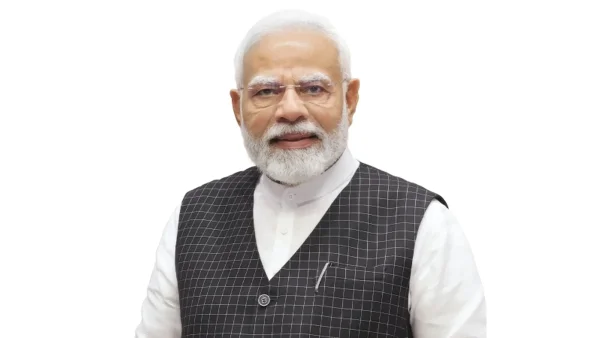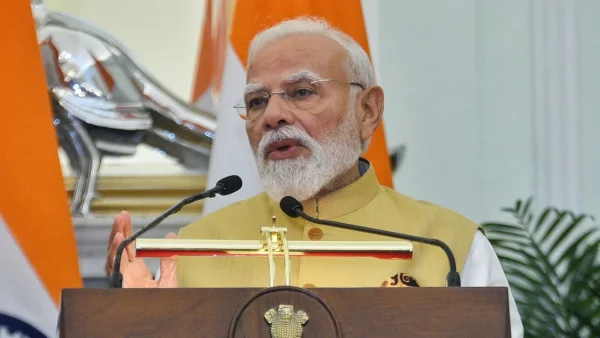
Amit Shah is the Central Observer for the BJP lawmakers in West Bengal, with Odisha Chief Minister Mohan Charan Majhi as Co-Observer, as the party gets ready to form its first ever government in the state having won 206 of the 294 seats. These appointments mean that central party authorities will be directly involved in the very important handover of power.
Why the appointment matters
The team of Observers will meet with the newly elected Members of the Legislative Assembly (MLAs), find out what they all agree on, and officially choose the leader of the legislative group. They have to deal with different groups within the party possibly pulling in different directions, and decide what the party’s plan will be for governing or being in opposition in the Vidhan Sabha (the state legislative assembly).
A quick announcement on social media from the party confirmed Amit Shah’s role and named Majhi as the Co-Observer, showing how quickly they need to decide on the leadership.
Bengal verdict reshapes the map
The Trinamool Congress’s 15 years in power are now over. Mamata Banerjee lost her Bhabanipur seat on May 4th to Suvendu Adhikari, the BJP Leader of Opposition, by more than 15,000 votes.
There’s a recording that has been widely shared on the internet where Banerjee says she was ahead in the count until the 16th round, and that the last part of the counting changed very quickly in a way that seems suspicious. The BJP continues to say they were sure of their win after the first part of the election, when 152 of the 294 voting areas had voted.
Parallel moves in Assam
As the leadership selection process gets underway in West Bengal, JP Nadda, a Union Minister, is the Central Observer for the election of the legislative leader in Assam, and Haryana’s Chief Minister Nayab Singh Saini is helping him. The BJP-led NDA (National Democratic Alliance) has now won three times in a row in Assam, showing that the central government is using the same organized way of dealing with changes in leadership in each state.
These two pairs of appointments show a pattern: important leaders from the national party are teamed up with current Chief Ministers to make sure the lawmakers choose their leader in a stable way and to stop disagreements within the party.
Ground rules for the transition
The BJP lawmakers in West Bengal will meet at the state party office. After talking to people, they will send a report to Nitin Nabin, the BJP National President, for approval, according to a party message.
This order of events is meant to quickly get a government formed after the election results, keep the party’s numbers in the assembly secure, and give the leader who is chosen a clear sign of support from both the MLAs and the party’s central leadership.
What to watch next
The big questions now are how fast the BJP will turn their majority of seats into a working government, and who will be the person everyone agrees on to lead the government in Kolkata.
West Bengal voted in two parts on April 23rd and April 29th. This two-part schedule allowed both parties to adjust their plans during the election; the BJP’s top people said publicly they were confident halfway through, and the final vote count showed a major change.
Potential leadership choices
As deliberations begin, party watchers are tracking a familiar set of names. The following figure in internal conversations, according to party discussions after the result:
– Shamik Bhattacharya, current state party president
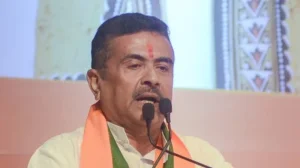
– Suvendu Adhikari, Leader of Opposition
– Agnimitra Paul, MLA from Asansol South
– Dilip Ghosh, former state president
– Shankar Ghosh, MLA from Siliguri
Why it matters beyond Bengal
By having Amit Shah, who is very good at organizing, work with Mohan Charan Majhi, who has recent experience of running a new government in Odisha, the BJP is letting everyone know they want to make their success last and create a firm structure for giving orders. The decisions made this week will affect what the government focuses on, how it deals with other parties, and how the state and central governments relate to each other.
We should find out what happens after the lawmakers vote and the Observer sends in their report. That decision will set the direction for the government’s first 100 days and how the opposition will change in a state that has just had its biggest political change in 15 years.