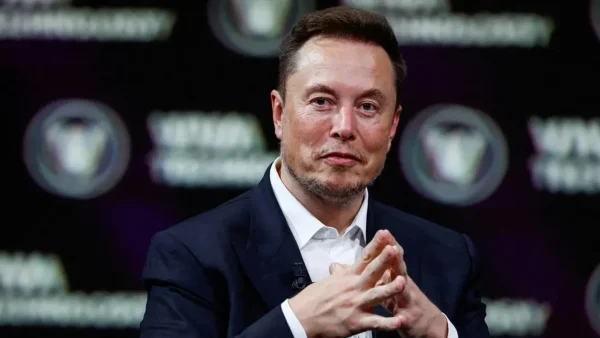
Musk has avoided a much bigger battle with the SEC over his Twitter stock by agreeing to pay the $1.5 million. Originally the SEC wanted a penalty of $150 million or more, but now it’s a much smaller fine, which lifts a cloud over X, and suggests the SEC isn’t being quite as strict.
What the settlement changes
A trust in Musk’s name will pay the $1.5 million as a civil punishment, according to paperwork filed in federal court in Washington, D.C. Musk isn’t admitting to doing anything wrong, and he isn’t having to give back any of the money the SEC said he made because he didn’t reveal his initial stock purchases promptly.
The agreement still needs Judge Sparkle Sooknanan’s approval; she refused to throw out the case in February. The SEC and the trust say that if she approves it, the whole thing will be finished.
Interestingly, the SEC changed its original complaint to include Musk’s trust as the one being sued. This meant they could drop the case against Musk himself and instead make the trust pay the penalty.
How the dispute began
The SEC said Musk waited eleven days too long in early 2022 to say he owned more than 5% of Twitter (now X). By the time he did tell everyone, he had 9.2% of the company.
The SEC believes this delay allowed him to continue buying stock at cheaper prices. They say he got over $500 million worth of additional stock at artificially low prices, and the people he bought from lost at least $150 million because of it.
The SEC’s case, which was begun in January 2025 just before a change in political leadership, had asked for both a penalty and that Musk give back his profits. The settlement only includes the penalty, and it’s much smaller than what they first asked for.
Signals for enforcement and market norms
This outcome happens as the SEC, under Paul Atkins as chairman, seems to be rethinking how it enforces rules. Margaret Ryan, who led enforcement, resigned in March, and apparently there were disagreements inside the SEC about the best strategy.
People in the market have noticed the SEC has been more lenient in some important cases. This deal, where those who allegedly lost money from the delayed announcement won’t get their money back, will probably cause more discussion about how well the SEC makes companies reveal information, and what the SEC now considers important.
A familiar standoff, a different ending
Musk has always said he didn’t do anything wrong, that the delay was an accident, and that the SEC is only after him. His lawyer, Alex Spiro, says the result is a definite win: The SEC wanted $200 million, Elon wouldn’t settle, and so they dropped the case against him.
Spiro also said a trust controlled by Musk paid a small fine for being a few days late with a filing…and that’s the end of it. In another statement, Spiro said that Mr. Musk has now been completely cleared of all problems relating to the late filing of paperwork for the Twitter purchase.
Why it matters for Musk, X and investors
Getting this settled removes a legal worry as Musk tries to connect X with his other businesses, xAI and SpaceX. It is very different from his 2018 agreement about his tweets about Tesla, where he paid a $20 million fine and had to leave his position as chairman (though he stayed as CEO).
After a judge rejected Musk’s attempt to get the case dismissed earlier this year, the pressure to settle increased. Finishing the case without making Musk give back any profits might lessen the immediate risk to X, but it will likely start arguments again about protecting investors when information is revealed late.
What still lies ahead
There are still possible legal problems from Musk’s $44 billion purchase of Twitter in October 2022. In March, a jury in San Francisco said Musk was responsible in another civil case for misleading shareholders during the process of taking over the company.
Investors said his statements about how many fake accounts (“bots”) there were on Twitter were meant to get him to renegotiate the deal or cancel it altogether, and that his comments caused the stock price to go down. Musk is trying to have that decision overturned or get a new trial.
Here are the immediate next steps to watch:
– Court approval of the $1.5 million settlement
– Any SEC guidance on future disclosure enforcement
– Motions to overturn the San Francisco jury verdict