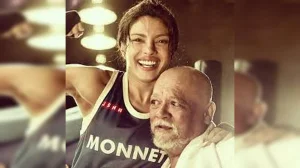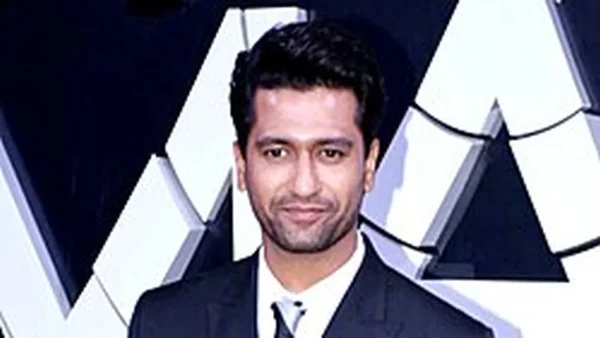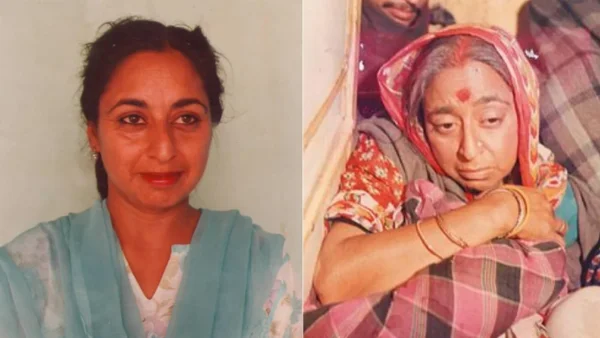
Kanu described his mother with a very emotional message, calling her his Titan, Faith, Love, Guide and Mentor. He said her smile, her comforting hugs and the way she looked at things with curiosity really shaped who he became and ended with “Until you give birth to me again.” Lots of people saw the message and it quickly got attention online. Many of her friends and people she worked with responded with their own expressions of sadness; Harshvarrdhan Kapoor, Ranvir Shorey, Arati Kadav, and Mansi Shrivastava were among those who honored her. The huge number of responses showed how closely she worked with people and how strong those relationships were, both professionally and personally.
Navnindra Behl’s lasting impact is a combination of her serious approach to art and her commitment to teaching.
Navnindra Behl started acting on stage when she was just three years old and continued with theatre all her life. She was very involved in amateur theatre in Patiala, and later wrote and directed a lot of plays all over Punjab, actually changing how theatre was done in that area. She also got a postgraduate degree in Punjabi literature and then taught drama at Punjabi University in Patiala for over 37 years, becoming a lecturer, then a reader, a professor and finally the head of the department. During that time she taught and guided many, many theatre people and those who work in theatre.
She moved between the stage and movies easily, and her film work included both Hindi films and international movies.
She was in good films like Maachis and Oye Lucky! Lucky Oye!, and had a short but noticeable part in Queen with Kangana Ranaut. She was also in international films like The Pride and The Guru, showing she could perform well in different cultures. People who watched and reviewed her work said she was excellent in Khufiya, and praised the subtle depth she brought to the role. And for more than thirty years, she worked steadily on television, writing, acting and directing in different kinds of shows. She played the grandmother of Nakuul Mehta’s character in Dil Boley Oberoi and Ishqbaaaz, and was in Viji and Sadaa-E-Vaadi, and both viewers and the people she worked with appreciated her.
She did more than just play parts; a lot of artists say she helped and guided them, and that was very important in their careers. Her theatre work in Punjabi is still influencing how plays are put on today. The reaction from the industry showed how much she helped others and how creative she was. Those she worked with remember not only her acting, but her energy during rehearsals, how clearly she gave direction and how friendly she was when she wasn’t working. As more and more tributes come in, it’s clear how important she was to theatre, film and television. Her death ends a very productive time in performing arts in both the Punjab region and the country as a whole. Her fans, former students and the people she worked with will remember her amazing talent and the kindness she showed to so many people as they started their careers. May Navnindra Behl rest in peace.