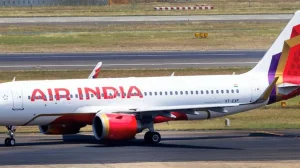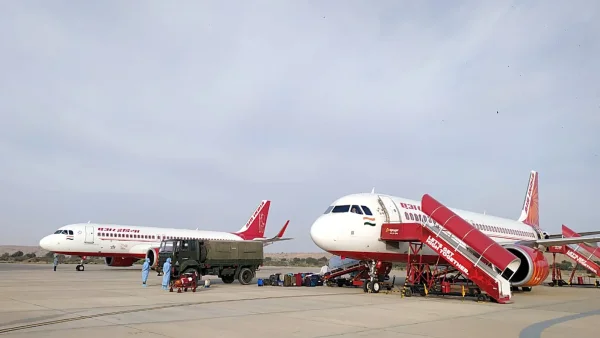
Thousands of flights in India have been stopped, following airspace closures also connected to the West Asia situation – the government says this is to protect passenger safety and to be sensible in how things are run. The Civil Aviation Ministry and the Directorate General of Civil Aviation are working very closely with regulators in other countries, while routes in some areas of the region stay closed.
What the numbers and first effects show
K. Rammohan Naidu, the Union Civil Aviation Minister, told Parliament that Indian airlines cancelled 4,335 flights, and airlines from other countries stopped around 1,187 flights, because of the airspace being closed. These cancellations were a quick answer to changing safety risks, and to international flight routes changing.
The cancellations have made things hard on a number of international routes Indian airlines usually use. Airlines changed how they did things as soon as the people in charge said airspace was not safe, or was closed – some services were sent a different way, and others were stopped until safe routes could be used again.
How much of the work went on
Despite the trouble, the ministry said about 219,780 passengers still travelled during the time things were more tense. This shows that many routes were still working, where safe ways to pass were available and times could be agreed with regulators in other countries.
The people in charge stressed that flights only ran when times were available and airspace was safe. In some cases, airlines used longer, more expensive routes to keep connections going – balancing what airlines needed to make money, with passenger safety and what the rules said.
What the regulator and working with other countries did
The DGCA and the Civil Aviation Ministry said they were always in touch with the people in charge of flying in the countries affected. The idea is to watch what’s happening, get quick warnings, and allow flights when airspace is safe and available again.
Working with regulators also means sharing how risky things are, and plans for what to do if things go wrong. Airlines must follow Notices to Air Missions and other warnings; regulators have said that safety is more important than making money during times like this.
What the effects on airlines are – in terms of how they work and money
Stopping so many flights clearly costs money to run – from getting crews to the right place, to parking aircraft and planning when to do maintenance. Airlines lose money while they are dealing with booking passengers onto other flights, giving refunds and following the rules about problems with international flights.
Being sent round and round again increases how much fuel is used, and how long flights take, which affects how much money airlines make, and how well they can keep to their timetables. Smaller airlines, and those with few international routes, might suffer more financially, while customers have longer to travel and are not sure what will happen.
What passengers have experienced and what the industry has done
Airlines and the people in charge have asked travellers to check if their flights are still on, before going to airports – and to watch official updates. A lot of airlines gave passengers the option of being put on other flights, or getting their money back, while customer service teams dealt with a lot of requests.
Passengers who are going to travel internationally through West Asia soon, should give their contact details to their airlines, and be ready to change their plans. Travel insurance might cover some losses, but customers should check what the rules are about trouble in countries, and airspace being closed.
What will happen and what is next
People at the ministry said that normal flights will only begin again when airspace that is closed, reopens and the people in charge think the routes are safe. When this will happen depends on what happens in talks between countries, and the security situation in the area – which is still changing.
For now, airlines, regulators and airports will keep planning for what might happen, and working with other countries, to get stable timetables going as soon as they can. Travellers and businesses should be ready for things to keep changing, and use official warnings to get information that is up to date and right.