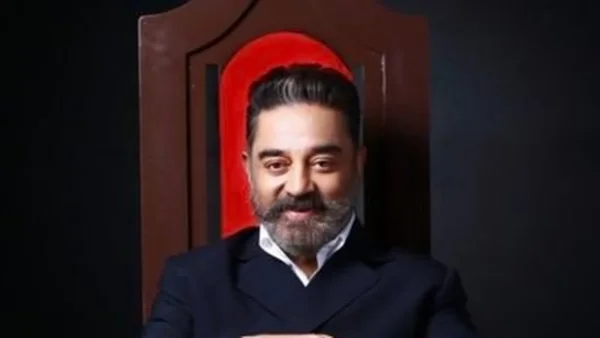
The AIADMK said Kamal Haasan’s decision to not run in the April 23rd Tamil Nadu Assembly elections shows political weakness, not a carefully thought-out plan. People from the AIADMK say that actors who become politicians don’t have the political skills or experience to have lasting careers in public service, and that sitting out this election shows their limits, not that they are doing something noble.
The AIADMK also thinks that actor-led political groups have historically not been able to turn being popular on the screen into consistent success at winning elections. They point to the fact that film stars have left politics in the past, and they believe Vijay will follow this pattern.
Kamal Haasan’s rationale and MNM’s support for the DMK alliance
Kamal Haasan, however, describes being in an election as only one part of being involved in politics. He said his MNM will fully support the candidates of the DMK-led alliance, but that not running in this particular election doesn’t mean he’s not really committed to politics. He says politics doesn’t end, and a party can choose to get involved in certain things and not others.
By working with the Secular Progressive Alliance (the DMK alliance), Haasan is giving them help but still allowing MNM to stay flexible as an organization. MNM saying they aren’t running candidates is being presented as a deliberate choice to support a larger group, not as giving up on political goals.
Allegations of failed coalition talks and negotiation breakdowns
The AIADMK says MNM had to withdraw because their attempts to negotiate within the DMK-led alliance failed. They claim MNM couldn’t get the things they wanted from the alliance, so they decided not to run for any seats. The AIADMK says this shows a weakness within the alliance and damages MNM’s position.
But MNM leaders say their decision was planned and meant to help the alliance achieve its goals. They say they pulled out to help the opposition parties become more united against the AIADMK-led alliance, and not because they couldn’t get what they wanted in negotiations.
Vijay, TVK and the future of actor-led parties in Tamil Nadu
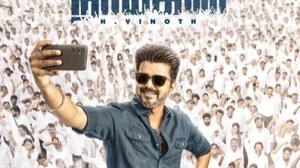
The AIADMK thinks Vijay's political group, the Thanthi Vetrimaaran Kootani (TVK) or something similar, will do what MNM did and drop out after trying to compete in the election. They also mentioned earlier reports that the BJP and other parties tried to get Vijay to work with them, which Vijay himself said wasn’t true, even calling the BJP his political opposite.
Because Vijay has publicly said he isn’t with the BJP and has stayed away from making firm alliances, it’s not clear what his political plans are. The AIADMK uses this lack of clarity to say that political groups started by actors have trouble forming stable alliances and having a clear strategy that will last.
Implications for the April 23 Tamil Nadu Assembly polls
MNM’s withdrawal changes the way the election will be fought, particularly for the DMK-led alliance; they now have MNM’s support without MNM’s candidates competing with theirs for votes. For the AIADMK-led group, this situation gives them something to say about their opponents being easily broken or just taking opportunities as they come.
MNM’s choice might mean more votes will go to the DMK alliance in important areas, but it also makes you wonder if people will actually go vote when there isn’t a specific MNM candidate on the ballot. People will be watching to see if actors being able to get people to show up and support them will turn into lasting political organizations or continue to change with each election.
As the election gets more active, the parties will continue to challenge each other on being believable, having good leaders, and being well-organized. The AIADMK’s criticism of MNM is an attempt to make MNM’s sensible choice seem like a larger problem with their ability to govern and their political skill, all before the election happens.