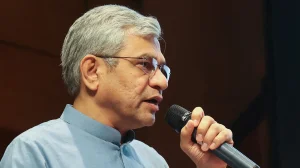
According to Railway Minister Ashwini Vaishnaw, in an effort to catch touts who are selling train tickets, more than 30 million fake accounts have been removed from the IRCTC website. He also said approximately 78% of seats are in the sections that aren’t AC, and over 75,000 special trains have been used during this financial year.
Removal of Fake Accounts and Impact on Ticketing
Getting rid of these fake IRCTC accounts is meant to decrease the amount of tickets booked by computers and sold at higher prices by people who aren’t authorized. Authorities say this cleaning up process is helping real passengers get tickets and making the way tickets are given out online more fair when lots of people are trying to travel.
Railway employees are doing more checks of the digital side of things and confirming account details to find large numbers of registrations or those that seem strange. This includes more careful identity checks, programs that find anything unusual, and stopping accounts that repeatedly do things automatically.
Technology and Policy Measures to Tackle Touts
The IRCTC website uses computer analysis and automatically marks down bookings that look suspicious. These technical solutions are done with actual actions, like temporarily stopping access to an account and looking at each instance of organized networks reselling tickets.
Changes to the rules now put more emphasis on confirming who passengers are and making them responsible for many ticket purchases. These changes are designed to close the ways touts take advantage of the system and to protect the online ticket system for typical travellers.
Seat Composition and Focus on Affordable Travel
Vaishnaw said about 70% of train cars are general or sleeper class, and 78% of seats aren’t AC. This shows the railway deliberately wants to make rail travel affordable for most people.
Having a large number of non-AC options influences how much things cost, how much capacity there is, and how easily people can use the railway. Sleeper and general cars continuing to be common for long distances and for people who ride the train every day means that people can continue to travel cheaply on the network.
Special Trains and Managing Peak Demand
The ministry says they’ve run more than 75,000 extra trains this financial year to deal with increased travel at certain times of the year and during festivals. Adding these extra services is being done as part of their work to lessen how crowded trains are and to make getting a train easier.
Officials have compared the current situation with previous times, pointing out that there are more extra trains than during the earlier UPA government. To run more trains, you need to organize crews, the trains themselves, and time on the busy routes.
Railway Safety and Reduction in Accidents
The minister stated that because of a strong focus on railway safety, the number of significant accidents has gone down by 90%. Improvements in safety are because of maintenance, updates to signalling, and improved ways of running the railway.
Putting money into training, fixing the tracks, and using monitoring technology also help. Continuing to pay attention to these areas is necessary to keep the number of serious accidents going down as more trains and more passengers use the railway.
Practical Advice for Travelers Using IRCTC
To avoid problems with your account, passengers should only register on the official IRCTC website or app and complete the required identity checks. Don’t use third-party sellers or touts, as they increase the risk and cost for people legitimately using the railway.
Book your tickets ahead of time when you know they will be in high demand, watch for announcements about extra trains, and use the official help lines if you have a complaint. Keeping your phone number and ID details current will prevent issues with your booking and make it simpler to cancel or get your money back.
Removing the fake accounts means the digital booking system is more controlled and matches the wider goals of affordable, safe rail travel. How well these improvements actually make things better for passengers each day will depend on continuing to invest in technology to verify identities, safety systems, and extra capacity at peak times.