The Gujarat government approved the Uniform Civil Code Bill, 2026 on Tuesday. This means Gujarat now has one legal system for personal matters for all people, something that applies across all different communities. The bill deals with marriage, divorce, financial support, inheritance, taking a child into a family, and other similar civil issues.
Gujarat passes UCC Bill 2026
This vote in the Gujarat Assembly comes after Uttarakhand previously approved a UCC law. This signifies a pretty big change in how states are reforming their laws. The new law intends to replace all the different personal laws with one set of rules for all citizens, no matter their religion or community.
Lawmakers have agreed on standard ways of getting married and divorced, and they’ve created ways at the state level to officially record and enforce these things. The law says that certain private arrangements or ways of getting divorced that people make on their own are not valid, and that divorces must go through the courts.
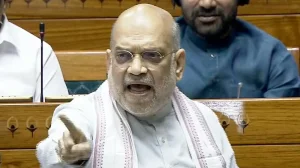
Amit Shah praises equal laws and party commitment
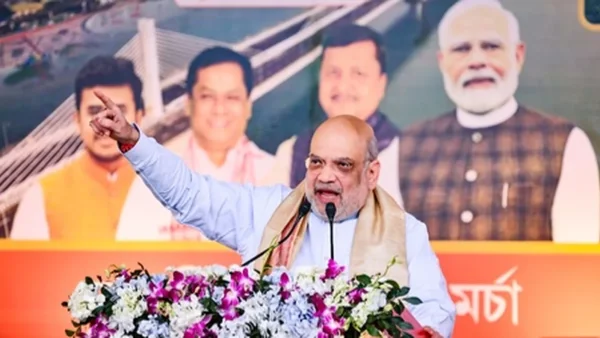
Amit Shah, the Union Home Minister, said after the bill passed that the country should be based on fairness for all, not on trying to please certain groups. He says the UCC is a central promise of his political party and gave the state leaders credit for making this reform happen.
Shah congratulated Gujarat’s Chief Minister, Bhupendra Patel, and the lawmakers who voted for the bill. This support shows how important a Uniform Civil Code is to the party and that states run by the BJP are continuing to try to achieve national goals by making laws at the state level.
Key provisions and legal changes
The UCC Bill requires all marriages and divorces to be officially registered, to create a clear official record and decrease arguments. It lays out the same reasons and procedures for divorce and says you must use the courts to get a divorce, banning divorces arranged outside of the court system.
Only being married to one person at a time is now required. Also, the bill says a court can declare a marriage invalid if someone hid their identity. There are punishments for dishonesty, forcing someone into marriage, or misrepresenting things related to marriage, and these punishments are meant to stop people from abusing the idea of marriage.
Rights, maintenance, and inheritance reforms
Women will have the right to financial support after a divorce, and this won’t be tied to the specific customs of their religion. Daughters and wives will receive the same amount in an inheritance as anyone else, and people who support the bill say this will improve women’s financial situation.
The bill also says that people in a “live-in relationship” have to register with local authorities. Officials say this is to give these couples legal protections and make them responsible for their actions, and isn’t meant to criticize people who don’t get married.
Committee process and public consultations
A high-level committee led by retired Supreme Court Justice Ranjana Prakash Desai guided the writing and putting into effect of the bill. The committee finalized a report after going to different areas of the state, asking the public what they thought, and carefully studying the legal and social problems.
Officials in Gujarat say the bill was created by talking to people and looking at things, and with the intention of reducing discrimination and protecting those who are most at risk. State leaders say they balanced changing the law with protecting the rights of different communities.
Implications, challenges, and the road ahead
How a single set of personal laws will work in Gujarat will now be tested. Those who support it believe it will make the law much clearer, give women stronger rights, and simplify civil court procedures. However, people who oppose it are worried about difficulties with putting it into practice, how much work it will be for the government, and whether it will be challenged in court based on the constitution.
If Gujarat’s version of the UCC survives review by the courts and any problems with actually running it, it could give other states with similar laws a model to follow. Getting it going will require training for those working in government, public information campaigns, and good ways to solve disagreements to achieve what the law is trying to do.
In general, the approval of the UCC Bill of 2026 in Gujarat is a big step toward having the same laws for everyone. What happens in the long run will depend on how well it is carried out, how the courts examine it, and how successfully the state manages the social and government issues while making sure everyone has the same rights.