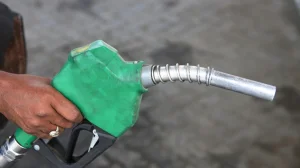
On March 25, 2026, all the government-owned oil companies made a joint statement saying that there’s no shortage of gasoline, diesel or LPG throughout the country, and asked people to avoid panic buying and get information from verified places. These statements were made because of rumors on social media and some reports from specific places that had worried customers.
Official assurances on fuel availability
Indian Oil Corporation says all their gas stations are stocked with fuel and open as usual and emphasized that rumors can throw off the normal way fuel is delivered. They are telling people not to panic buy and to go to official sources to learn about the availability of gasoline and diesel.
Bharat Petroleum Corporation Ltd. said the reports of shortages in some areas are totally untrue. BPCL pointed out that India actually sells more gasoline and diesel than it uses and said they have plenty of crude oil, gasoline, diesel and aviation turbine fuel (ATF) at all their stations and in their distribution networks.
Hindustan Petroleum also said the supplies of gasoline, diesel and LPG are stable and there’s enough for everyone in the country. They told customers not to believe things they hear that aren’t checked, and to continue using fuel as they normally do, while they make sure fuel continues to be delivered to all their locations.
How rumours affect supply chains and logistics
The oil industry has warned that rumors on social media can cause people to panic buy, and that’s what actually puts stress on the delivery system. A sudden huge increase in demand at gas stations can cause some stations to temporarily run out of fuel, even if the country as a whole has enough.
A few trucking companies have used a ‘force majeure’ clause (meaning they stopped fulfilling contracts due to unforeseen events) because of problems with getting fuel to certain areas. This has meant less cargo is being moved in those areas, and has made people even more anxious, though the oil companies say these problems are with the way the fuel is being delivered and not because the entire country is running out.
Supply picture amid global disruptions
The war in the Middle East has interrupted the flow of crude oil, liquefied natural gas (LNG), and LPG, so the government is now carefully watching how much is being imported. India is getting its crude oil from places like West Africa, South America and the United States now, to make sure they have enough to make gasoline and diesel.
The flow of LNG was affected when a big supplier in Qatar had damage to their facilities. Because of this, the government is giving gas to people’s homes and to stations that fill up cars with compressed natural gas (CNG) first. Some businesses, including plants that make fertilizer, have had their gas supply cut back in order to manage the limited amount of LNG available.
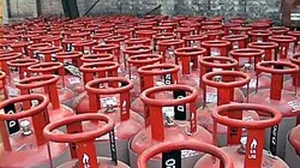
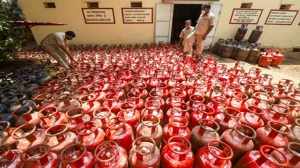
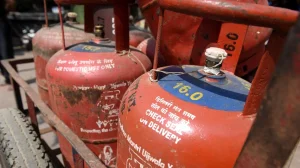
LPG is the fuel that’s been most affected because about 60% of what's needed has to be imported and a large portion of that comes from the Gulf region. So, the government is now prioritizing the fuel for cooking in homes and has reduced how much is given to businesses like hotels and restaurants by as much as 50%.
Government and regulator measures to maintain supply
As of March 23, the government has sent an extra 20% of the LPG that businesses need to the states to help with distribution at a local level. The idea is to take some of the demand off household supplies and to make sure everyone has fair access in areas where it’s tight.
There have also been rules for how people get piped gas to homes, schools, colleges and hostels. City gas companies were told to have piped gas available to these places within five days. These actions are meant to keep important services going and stop people from buying more than they need out of fear.
Practical guidance for consumers and businesses
People should follow official updates and not save up (hoard) fuel, as this can create shortages in certain areas and drive up prices. Gas stations are still open and most have enough fuel, so it’s best to continue filling up as you normally would.
Businesses that rely on LPG or industrial gas should get ready for possible, short-term reductions in their supply and look at other options, like getting fuel from different sources or finding ways to use less. Looking at official information and statements from the companies will help these businesses adjust to the situation without shutting down.
What to watch next
Keep an eye on official reports about how much fuel is in stock, any changes to how much is being delivered, and advice for truckers, as these things will affect how much fuel is available in your area. The price of fuel at the pump could change depending on how much the crude oil is costing in the world and how well fuel is being delivered locally, so being informed will lower any worry and stop panic buying.